
March 17, 2025 · 9 min read
Visiting Friends and Relatives: Travel Health Planning in Ajax
Plan a family visit abroad from Ajax with practical health advice on longer stays, children, malaria prevention, shared meals and access to medical care.
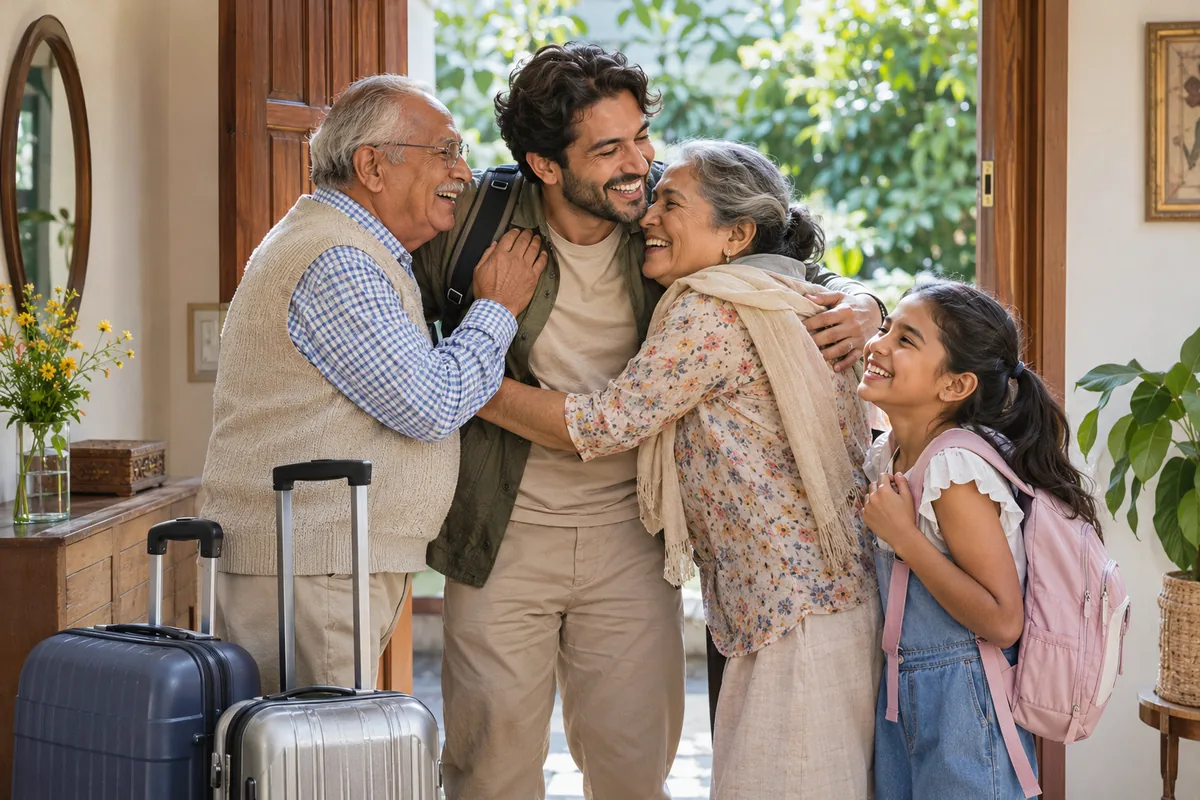
A journey to visit family can feel different from a holiday. You may know the neighbourhood, speak the language and have relatives ready to collect you at the airport. The trip might involve a wedding, caring for a parent, introducing children to grandparents or simply spending time in a place that still feels like home.
That familiarity is valuable, but it does not answer every health question. A longer stay, several households, rural visits and a changed medical history can create a different situation from the last journey. Children born in Canada may also have different protection and experience from adults who grew up at the destination.
Planning travel health in Ajax before visiting friends and relatives should respect the purpose of the trip while making practical precautions easier. The goal is not to replace local knowledge. It is to combine it with current medical advice and a realistic account of how the visit will unfold.
Describe the visit as daily life, not a tourist itinerary
Tell the clinician where you will stay and how you expect to move between homes. Include weddings, funerals, religious gatherings, rural visits and any possibility that the return date may change. A country name and flight dates can hide most of the relevant exposure information.
If family plans are flexible, describe the likely range. You might begin in a city but travel to a village for several days if a relative can arrange transport. That possibility should be discussed before departure, especially if it changes malaria risk, medical access or animal exposure.
Canada’s guidance for visiting friends and relatives abroad explains why these journeys deserve travel health preparation. The assessment should be based on activities and circumstances, not assumptions about a person’s background or the country where they were born.
Reassess protection even when the destination is familiar
Living in a place previously does not guarantee lasting protection against infections there. In particular, previous exposure to malaria should not be treated as dependable protection after living away. Discuss the exact regions and season with a clinician who can assess current prevention needs.
Other changes may also matter. A traveller might now take medication, be pregnant or have a condition that was not present on the last visit. The same itinerary can therefore lead to different advice several years later.
Bring records of past vaccines and any previous travel-related illness. If records are incomplete, say so openly rather than filling the gaps with guesses. The Canadian CATMAT statement on visiting friends and relatives describes the importance of individualized preparation for this group of travellers.
Make separate plans for children and adults
A parent’s experience abroad cannot be transferred to a child. Children may need age-specific vaccine planning, different medication doses and closer attention to feeding, hydration and supervision. Bring a separate health and immunization record for each child.
Explain how children will spend their days. Will they attend a local school briefly, stay with cousins, play outside after dark or be cared for by several relatives? These ordinary family details can be more useful than a list of sightseeing attractions.
Agree with caregivers about medicines and food allergies before the visit. Give written instructions where needed and identify who can authorize care if a parent is away from the household. Avoid leaving several adults with the impression that someone else is responsible for a child’s daily treatment.
Discuss cost and timing honestly
Large family visits can already involve significant expenses. If cost affects decisions about vaccines, medication or appointments, bring that into the consultation. Ask the clinician to explain priorities, expected benefits and any necessary follow-up. A clear discussion is more useful than quietly omitting part of a recommended plan.
Start early when possible, but do not avoid seeking advice because a family emergency has made the trip last-minute. A focused appointment can still address medication, precautions, documentation and what to do if illness occurs. Be specific about the departure date so that timing is assessed accurately.
If several people are travelling, confirm appointment arrangements for the whole group. One person’s consultation does not automatically establish a plan for everyone. Coordinating records and dates in advance can make the process easier without treating the household as medically identical.
Turn malaria prevention into a routine that fits the visit
If the route includes malaria risk, ask whether preventive medication is recommended and obtain instructions for each traveller. Discuss when it begins, when it ends and what to do after a missed or vomited dose. The plan may extend beyond the time spent abroad, so include the return period in reminders.
Think about how the medicine will fit into a changing family schedule. Weddings and evening visits can disrupt ordinary routines. A reminder tied to a dependable daily event may be easier to follow than relying on memory during busy gatherings.
Combine any prescribed medication with bite prevention appropriate to the destination. Ask hosts about screens, sleeping arrangements and space for suitable nets when needed. Do not assume that a familiar house is free from mosquitoes or that a short visit removes the need for precautions.
Talk with hosts about food without making it personal
Food is often central to hospitality, and declining a dish can feel uncomfortable. Discuss essential needs before arrival when possible. A simple explanation that you are following medical advice or managing an allergy can keep the conversation focused on your situation rather than criticizing the meal.
Ask about safe drinking water and how it will be available during outings. When several households are involved, carry an appropriate supply rather than assuming each stop has the same arrangements. Consider ice, drinks made with water and foods prepared in advance as part of the conversation.
The Government of Canada’s food and water advice recommends attention to safe preparation, well-cooked food, suitable drinking water and hand hygiene. These precautions reduce avoidable exposure, though they cannot guarantee that no illness will occur.
Make extended stays work with regular treatment
Count the medication needed for the full stay and a possible delay, then check destination rules for the permitted quantity. Ask the pharmacist about refill arrangements well before departure. A family visit may be extended for reasons that are difficult to predict, especially when caring for someone who is ill.
If ongoing tests or appointments will fall during the trip, discuss them with the treating team. Decide whether monitoring can occur before departure, after return or through a suitable provider abroad. Do not assume that a relative’s familiar clinic will automatically have access to the necessary treatment or records.
Carry a concise medication list and health summary. The CDC’s chapter on visiting friends and relatives recognizes that longer visits and complex health circumstances can make preparation more demanding. Planning continuity of care helps keep the focus on the family visit itself.
Set clear rules for animals, transport and water
Children may approach animals they would consider pets at home. Explain that they should not touch or feed unfamiliar dogs, cats, monkeys or other mammals. Ask them to report any bite or scratch immediately, even if the wound is small or they worry about being blamed.
If an exposure occurs, wash the wound thoroughly with soap and water and obtain prompt medical assessment for rabies prevention. Relatives may know the animal, but that familiarity cannot determine whether treatment is needed. Keep the details of any treatment received so a clinician can review the course after you return.
Discuss safe transport with relatives before arrival. Ask about seat belts and suitable child restraints rather than discovering at the airport that none are available. A familiar driver does not remove the need for basic protection, and a short journey can still involve busy roads.
For swimming or boating, establish who is supervising children and what activities are permitted. Different family members may have different assumptions about a child’s swimming ability. Agreeing on the plan avoids relying on a vague expectation that the group will keep an eye on everyone.
Have an illness plan that does not depend on family reassurance
Relatives can help identify services, translate and arrange transport, but they may interpret symptoms through their own experience. Before leaving, ask a clinician which symptoms need urgent assessment for each traveller, particularly children, pregnant people and those with ongoing conditions.
Fever during or after travel to a malaria-risk area needs urgent medical attention. Tell the treating team where you have been and whether prevention was taken. Do not dismiss the fever as an ordinary cold or wait until the return flight because the visit is nearly over.
For significant diarrhea, persistent vomiting, dehydration or severe illness, seek care according to the medical plan. Carry relevant insurance details and arrange coverage even when staying with family. Having a spare room and relatives nearby does not pay hospital bills or provide medical evacuation.
When the visit involves caring for someone else
If the visit is intended to help care for an ill relative, ask about the expected care tasks before departure. Spending time at the bedside, assisting with personal care and accompanying someone to appointments may involve different demands from an ordinary social visit. Discuss any known infection or special precautions with the appropriate clinician, while respecting the relative’s privacy. Do not assume that being family means protective measures are unnecessary.
Also plan your own rest and treatment during a caregiving visit. It is easy to miss meals, medication or appointments when another person’s needs dominate the day. Share responsibilities where possible and identify someone who can take over if you become unwell. Preparing for your own health supports the help you travelled to provide.
Keep useful information after returning to Ajax
Make a brief record of any illness, animal exposure, new medicine or medical procedure abroad. Keep packaging and discharge documents when available. If symptoms arise after returning, give the clinician the travel dates and locations early in the conversation.
Ask whether any follow-up is recommended because of a specific exposure or illness. Do not assume that every returning traveller needs the same tests, and do not ignore a concern simply because the journey felt routine. Follow-up should reflect what actually happened.
When planning the next visit, note which precautions were easy to maintain and where the plan failed. Perhaps medicines needed a better reminder or a rural side trip should have been discussed sooner. Those details make the next travel consultation more practical.
For travel health planning in Ajax before visiting friends and relatives, request an appointment with your route, family details and records ready. A thoughtful plan supports the purpose of the journey: spending time with people who matter, with fewer preventable interruptions and a clearer route to help if it is needed.