
February 3, 2025 · 9 min read
Typhoid Vaccination in Ajax: Planning for Family Visits and Food Adventures
Explore typhoid vaccination in Ajax with practical guidance on itinerary review, vaccine choices, family visits, food precautions and fever after travel.
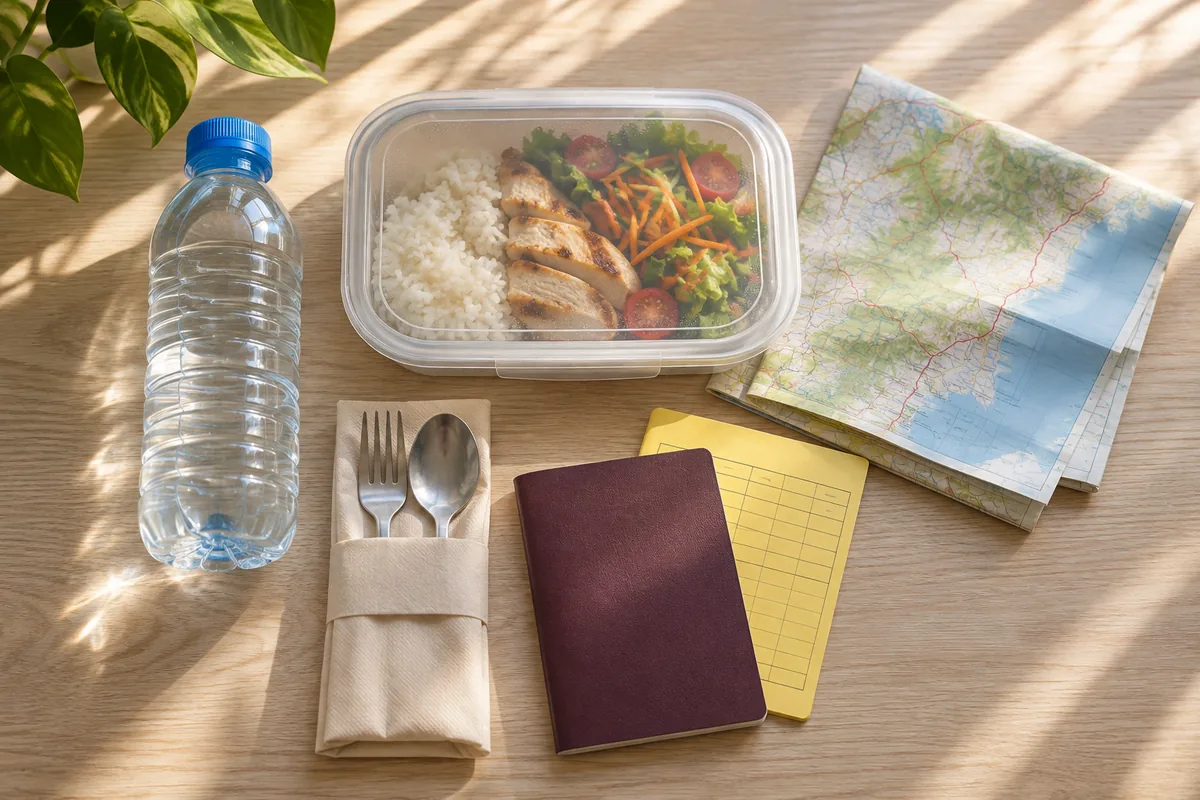
Some of the most memorable parts of a trip happen around a table. You may be returning for a family wedding, exploring regional food or spending several weeks with relatives. Preparing for those experiences includes understanding food and water risks without turning every meal into a source of anxiety.
Typhoid vaccination in Ajax begins with a review of where you are going and how you expect to live while away. A clinician considers the destination, length of stay, accommodation, activities and your medical history. A recommendation for one traveller should not automatically be copied by everyone travelling to the same country.
The useful outcome is a clear decision about vaccination and a realistic prevention plan for the trip. This guide explains the information to bring and the questions to ask. Vaccine products, timing and suitability require individual assessment.
Know what typhoid is, and what it is not
Typhoid fever is caused by Salmonella Typhi bacteria and is usually acquired through contaminated food or water. It can cause a prolonged fever and significant illness, rather than simply a brief episode of stomach upset. The World Health Organization’s typhoid fact sheet describes its transmission and the challenges posed by antibiotic resistance.
A typhoid vaccine does not prevent every type of Salmonella infection, all travellers’ diarrhea or all illnesses spread through food. It also does not eliminate the possibility of typhoid itself. That limitation matters when deciding how to eat and drink abroad.
Think of vaccination as protection directed at one important risk. Continue the food, water and hand-hygiene measures discussed during your consultation. If someone says they “had the stomach vaccine,” ask which vaccine they mean before assuming it relates to your own plan.
Your route matters more than the airport on your ticket
An airline itinerary may show only the arrival city, while your actual trip includes villages, road travel and several family homes. Describe those details. Include the length of time in each place and whether you will have dependable access to safe drinking water.
For a family leaving Ajax for an extended visit, useful preparation might mean asking relatives where the wedding events will take place and whether there are plans for travel afterwards. You do not need a minute-by-minute itinerary, but a few additional place names can improve the assessment considerably.
Be open about uncertainty. If you expect to decide on side trips after arrival, say which regions are possible. A clinician can explain whether a change would affect the advice and when you should contact the clinic again.
Visiting relatives deserves its own conversation
Returning to a familiar place can make a trip feel less like travel. You may know the language, recognize the shops and trust the people cooking your meals. Those advantages are valuable, but they do not establish current immunity or remove food and water risks.
A longer family visit also creates different routines from a hotel stay. Children may spend time in several households, adults may attend many celebrations and meals may happen whenever extended family gathers. Discuss those patterns rather than describing the trip only as “staying with family.”
The Canadian Immunization Guide’s typhoid vaccine chapter explains that recommendations depend on destination and exposure. The same chapter describes the different vaccine approaches and emphasizes that available protection is incomplete. Your appointment should connect those principles to the way you actually plan to travel.
Canadian guidance places particular emphasis on South Asia, recommending typhoid vaccination for most travellers aged two years and older going there. Vaccination is not routinely recommended for every destination outside that region, although individual circumstances can justify it. That distinction is useful when comparing two trips that both involve family meals: the location still matters. Bring the country and region names rather than assuming that the description “visiting relatives” settles the recommendation on its own.
Review previous typhoid vaccination carefully
If you have received typhoid vaccination before, bring the record. The product and date matter; “I had it before my last trip” may not provide enough information. Injectable and oral products have different instructions and considerations, so a clinician needs more than the number of years since a holiday.
Look through old travel booklets, receipts and clinic records. If you took capsules, any prescription record may help identify what you received. Tell the clinician if the course was not completed or if storage instructions were not followed, rather than assuming the record alone settles the question.
Do not repeat an old prescription or use leftover products on your own. A new trip deserves a fresh review of suitability, timing and current guidance. Your health or medication may have changed since the previous appointment.
Choosing a vaccine is more than choosing a needle or capsule
People sometimes approach the decision as a preference between an injection and an oral option. Preference can be part of the conversation, but it is not the only consideration. Age, immune health, medication interactions, ability to follow instructions and available time can affect the choice.
Bring a complete medication list, including recent antibiotics and malaria medicines that have already been prescribed. If an oral product is being considered, ask specifically about interactions and handling. Do not independently change the timing of another prescribed medicine to make the vaccine fit.
Pregnancy, immune suppression and significant allergies should be discussed before a product is selected. The clinician can explain the benefits and limitations of the appropriate option, including whether vaccination is suitable at all in your circumstances.
Leave enough room in the calendar
Start the discussion when the trip becomes likely. The appointment, any follow-up and the time needed before exposure all belong in your planning calendar. A vaccine appointment squeezed between packing and the drive to the airport may leave fewer options.
If you are leaving soon, contact the clinic with the exact date. Ask what can reasonably be accomplished and what limits remain. Avoid the opposite assumptions that it is either always too late or that any last-minute intervention provides immediate full protection.
When work schedules or school hours make appointments difficult, say so when booking. The practical issue is completing the recommended plan correctly. A schedule that looks convenient on paper but cannot be followed is not a useful plan.
Turn food advice into daily decisions
Canada’s safe food and drinking water guidance covers safer choices, including thoroughly cooked food and water from a safe source. Discuss how to apply it to your itinerary instead of trying to memorize a long set of disconnected rules.
For example, consider a full day of road travel. Where will you obtain drinking water? What will children eat if the planned lunch stop is delayed? Is there a way to wash hands before snacks? Planning these ordinary moments can be more useful than making ambitious promises about every restaurant you will visit.
At celebrations, make choices calmly and politely. Hosts may be able to help if they understand your needs ahead of time. You can enjoy hospitality while still choosing food and drinks that fit the precautions discussed with your clinician.
Choose a food tour with preparation in mind
If tasting local food is a major purpose of the holiday, mention that at your consultation. Ask the tour organizer how drinking water is supplied, how dietary needs are handled and whether you can decline individual tastings without difficulty. The answers help you prepare, although they cannot guarantee that every food item is safe.
Avoid an all-or-nothing approach in which you either abandon the experience or assume vaccination makes every choice harmless. Decide in advance how you will handle uncertain water, uncooked items or food that has been sitting out. It is easier to make a calm decision with a plan than when a group is waiting for you to accept a tasting.
Teach children a simple shared routine
Children need practical instructions that match their age. Explain which drinking water to use, when to ask before eating something and how to clean hands before meals. Repeat the same routine yourself so it becomes a household habit rather than a rule applied only to children.
Tell grandparents or other caregivers about the plan before the first busy gathering. A child may follow instructions well at home but become confused when several adults offer different advice. Agree on a simple message that everyone can use.
A child’s vaccine assessment must also be individual. Bring the child’s own record and ask about age-related suitability. Do not assume that an adult vaccine choice can simply be reduced or adapted without clinical guidance.
Make a plan for fever abroad
A persistent fever during or after travel deserves medical attention. Typhoid can resemble other infections, and the correct assessment depends on the places you visited, timing and other symptoms. Do not assume that fever with stomach discomfort is ordinary travellers’ diarrhea.
The WHO notes that antibiotic resistance complicates treatment. Avoid self-selecting antibiotics from a previous prescription or buying them simply because another traveller received the same medicine. A clinician needs to determine the likely cause and appropriate treatment.
Before leaving, identify how to obtain care and contact your insurer. Carry a concise itinerary and medication list so you can explain your travel history if you become ill. Seek urgent care for severe illness, confusion, marked dehydration or other concerning symptoms, rather than waiting for a convenient flight home.
Keep post-travel information easy to retrieve
If you receive medical care abroad, ask for a written summary and keep copies of any test results and prescriptions. Note the dates and places of treatment. When you return, share them with your usual provider if follow-up is advised or symptoms continue.
Tell a clinician about recent international travel even if you have been home for a while. A vaccination record is useful context, but it does not rule out every possible infection. Mention whether anyone travelling with you became ill as well.
Canada’s travel health planning guidance encourages preparation that includes obtaining care and recognizing health concerns. That broader preparation is especially helpful when your trip includes several destinations or changing accommodation.
Decide what success looks like before the appointment ends
A useful consultation should answer four practical questions: whether typhoid vaccination is recommended for your trip, what you need to do next, which food and water precautions remain important and how to seek care if you develop fever. If any answer is unclear, ask the clinician to explain it in everyday language.
Write down the product received and retain the record for future trips. If there are instructions to follow at home, repeat them back during the appointment to check your understanding. Keep them separate from unrelated travel paperwork so they are easy to find.
You can arrange a travel health consultation in Ajax to review typhoid alongside other itinerary-specific concerns. Review the vaccination services and request an appointment with your destination and departure date. The aim is to enjoy your trip with a thoughtful plan for vaccination, meals and access to care.