
June 3, 2025 · 9 min read
Travel Health for Vietnam in Ajax: A Practical North-to-South Plan
Prepare for Vietnam travel in Ajax with a practical look at city stops, rural stays, overnight boats, food choices, medication and changing regional conditions.
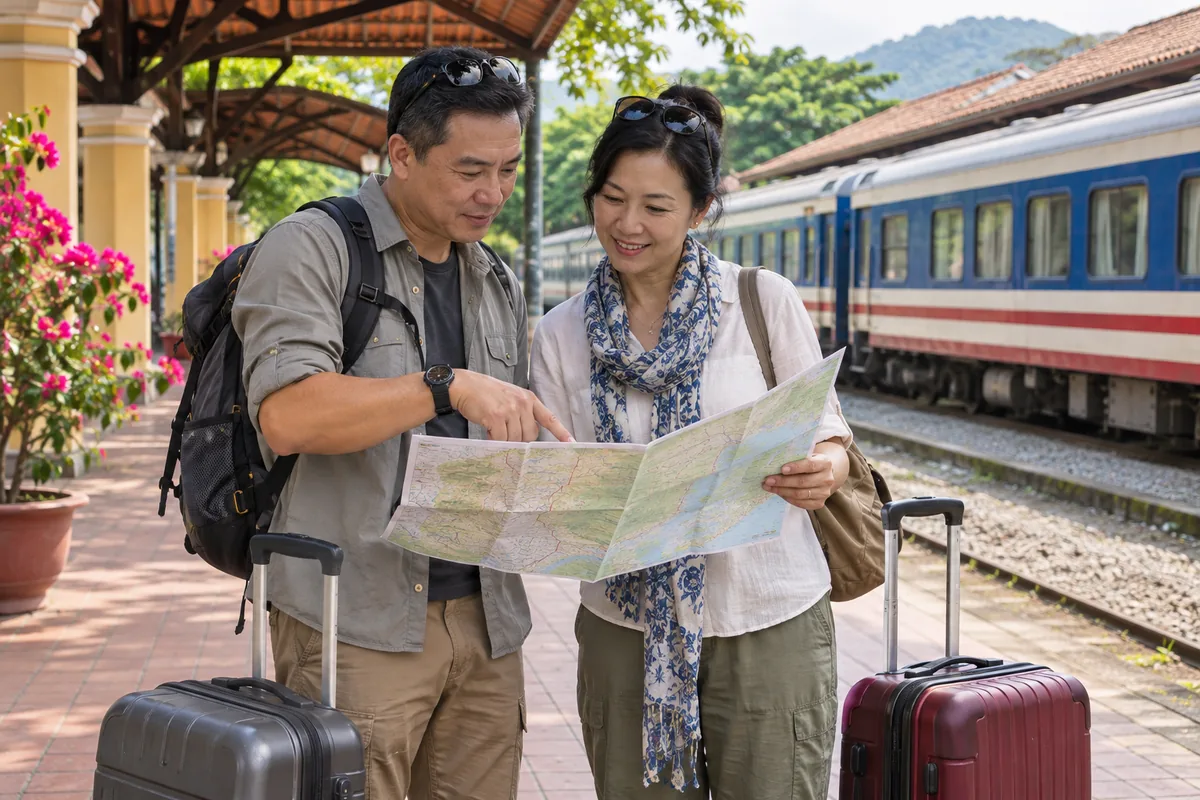
Vietnam rewards travellers who pay attention to the spaces between the headline stops. A journey may connect Hanoi, a bay cruise, a northern homestay, central coastal towns, and Ho Chi Minh City, with several different kinds of transport along the way. The health preparation becomes more useful when it follows that sequence rather than treating the holiday as one uniform setting.
If you are arranging travel health for Vietnam in Ajax, bring the actual route to your appointment. Include overnight accommodation, side trips, and the places where you expect to spend time outdoors. A short trip can still involve a remote activity, while a longer stay may remain entirely urban. Those distinctions help determine which precautions deserve your attention and which questions need more information from an operator.
Start with the rhythm of the journey
Read the itinerary as a series of ordinary days. On which mornings will you wake early? When will you have access to a private bathroom? Which transfers leave little opportunity to eat, rest, or obtain supplies? This exercise often reveals a crowded section that is easy to improve before bookings become fixed.
An overnight train followed immediately by a full excursion can be demanding even when each booking looks reasonable separately. Consider keeping the arrival afternoon flexible, especially for children, older relatives, or anyone managing a chronic condition. Choose which experiences matter most and let the timetable support them rather than making every day a test of endurance.
Keep a shared document with the accommodation address, operator contact, and transport arrangements for each stop. Download a copy before leaving reliable internet access. If two people hold different bookings, make sure each can find the other’s details. A practical itinerary should still work when a phone battery fails or the person who organized the trip feels unwell.
Bring rural locations into the vaccine conversation
Collect vaccination records and review routine protection before discussing destination-specific vaccines. Hepatitis A and typhoid are relevant topics for many Vietnam itineraries. Longer rural stays or substantial outdoor exposure may also change the conversation about Japanese encephalitis. The Government of Canada’s Vietnam advice provides current health and entry information to review with a clinician.
A description such as “three nights in the countryside” needs more detail. Ask whether the homestay has screened windows, how evening meals are arranged, and which activities happen near agricultural areas. If the host cannot provide a street address, request a map location and the name of the nearest town. Those details are more useful than an accommodation’s broad tourism category.
Give the clinician your full health history, including pregnancy or pregnancy plans, immune-suppressing treatments, allergies, and previous vaccine reactions. A vaccine recommended for one member of your group may need a different approach for another. If time is short, seek advice anyway and ask which steps can still provide value before departure.
Use a precise map for malaria assessment
Malaria recommendations vary within Vietnam. CDC describes ongoing transmission mainly in particular rural settings, while major cities such as Hanoi, Da Nang, and Ho Chi Minh City have no reported local transmission in its destination guidance. The Mekong and Red River deltas are treated differently from other rural areas. Consult the CDC Vietnam chapter and malaria map with your exact route.
That geographical distinction is especially useful when a package includes an optional forest excursion. Ask whether the overnight location is the same as the town named in the advertisement. If a clinician recommends preventive medication, follow the prescribed schedule and discuss interactions with existing medicines. Do not infer a medication choice from a friend’s experience on a different Vietnamese route.
Mosquito avoidance still belongs in city and coastal plans because malaria is only one mosquito-borne infection. Pack a repellent you can use according to its label and keep it accessible during excursions. Choose clothing that offers coverage without becoming impractical in the weather. Checking accommodation screens takes only a moment and is easier before bedtime than after insects have entered the room.
Plan for city air and busy streets
Hanoi and Ho Chi Minh City can involve long periods walking beside busy roads. Air pollution may aggravate respiratory conditions, so travellers with asthma or other lung problems should discuss their usual action plan and keep prescribed medicines accessible. The city portion of the holiday deserves attention even if the rural portion receives most of the consultation time.
Choose a hotel location that makes the activities you want reasonably accessible. A long daily commute can turn a modest sightseeing plan into hours of traffic exposure and fatigue. Look for opportunities to rest indoors, and leave room to change outdoor activities when local air-quality advice is unfavourable. A flexible museum visit can be more useful than a rigid walking itinerary.
Road crossings and vehicle choices also need thought. Ask your accommodation about established transport options and arrange a sensible arrival transfer. If you are considering a motorcycle excursion, verify the licence, helmet, and insurance requirements before booking. Being offered a vehicle or a seat does not establish that the arrangement fits your experience or policy coverage.
Check what an overnight boat actually provides
A bay cruise introduces a different set of practical questions from a city hotel. Ask about life jackets in appropriate sizes, emergency communication, the location of the nearest medical facility, and how passengers are transferred ashore. Families should confirm arrangements for children rather than assuming adult equipment will fit.
Think about medication access during boarding and excursions. Keep essential supplies in a small bag that stays with you, not in luggage collected separately. If you are prone to motion sickness, discuss suitable options before travel and understand their effects on alertness. Do not try an unfamiliar sedating product just before an activity that requires balance or attention.
Weather can change a sailing plan. Ask how the operator handles cancellations, alternative routes, and delayed returns. Avoid scheduling a flight so close to the final docking time that any disruption creates a crisis. A quiet buffer night can also provide a useful place to recover, reorganize luggage, and obtain supplies before the next part of the journey.
Translate food needs into usable requests
Regional food is one of the pleasures of Vietnam travel, and a clear decision process is more helpful than broad judgments about whole types of restaurants. Look for food cooked thoroughly and served hot, dependable drinking water, and clean hands before meals. The Canadian guidance on eating and drinking abroad sets out the core precautions.
If you have an allergy, prepare a translated statement that explains the ingredient and the seriousness of exposure. Discuss sauces, stocks, garnishes, and shared preparation surfaces. A dish that appears familiar can contain an ingredient you would not expect, and removing a visible garnish may not make it suitable. Carry prescribed emergency medication during meals and food tours.
For children or travellers who find unfamiliar meals difficult, bring a few reliable snacks and plan regular eating opportunities. Hunger can make it harder to ask careful questions. Let a tour guide know about dietary needs before the group reaches a crowded stop, when there is still time to arrange an alternative without pressure.
Give homestays practical, respectful questions
Ask about the bathroom, water source, sleeping arrangement, and distance to transport. These are ordinary travel questions, not a judgment about a host’s home. A clear description helps you decide what to pack and whether the accommodation suits everyone in the group. It also prevents hosts from having to solve an unexpected accessibility or medical issue after arrival.
If you need refrigeration for medication, confirm the required conditions with your pharmacist and ask how they can be maintained during the entire transfer. A promise that there is “a fridge” does not establish a suitable temperature or reliable power. The Government of Canada’s medication guidance is a useful starting point for packaging and border questions.
Consider whether the walking route to the home is manageable with luggage and in poor weather. Ask about steps, slippery surfaces, and vehicle access. A short distance on a map can feel different with a heavy bag or limited mobility. Choose a lighter packing arrangement or a different transfer when that makes the experience more comfortable.
Avoid casual animal contact
Dogs and cats may be present around homes, restaurants, and visitor sites. Do not feed or handle unfamiliar animals, and supervise children who may want to pet them. Discuss rabies pre-exposure vaccination when activities or difficulty reaching treatment make it relevant. The CDC rabies prevention information explains why potential exposures require prompt assessment.
If a bite or scratch occurs, clean it immediately with soap and water and arrange urgent medical care. Keep written records of any treatment received, including product names and dates. Prior vaccination changes the treatment discussion but does not mean the exposure can be ignored. A family host or tour guide can help with transport while a clinician determines what care is needed.
Make rain-related changes before conditions become difficult
Vietnam’s long geography means one weather description does not fit every stop. Ask operators about conditions relevant to the actual route and month, especially for mountain roads, trekking, and coastal sailing. Review the Canadian destination advisory for regional disruptions and follow local instructions when conditions change.
Do not walk through floodwater to preserve a sightseeing plan. Contaminated water can cause illness, and hidden surfaces make footing uncertain. CDC’s leptospirosis prevention advice explains one reason to avoid contact after flooding. Keep dry footwear and a change of clothing accessible if your plans include wet-weather transfers.
Repack for the segment you are actually taking
The bag that works for an international flight may be awkward on a short boat excursion or a homestay reached on foot. Before each major transfer, separate what you need during the journey from what can remain in larger luggage. Keep prescribed medication, a drinking-water supply, a reliable snack, weather protection, and essential contact details within reach. Avoid opening every suitcase at a crowded station to find one small item.
Ask where luggage will be stored and whether it will be accessible during the trip. A guide may collect bags hours before you board, or a boat may place them below deck. If you need a medical device or supplies during that period, explain the requirement before handing over the bag. Label the equipment clearly and consider how it will be protected from rain during loading.
After arriving, take a few minutes to reset the same personal pouch for the following day. Replace used supplies and check that medication has returned to the correct bag. This modest routine is especially helpful on a fast-moving north-to-south itinerary, where the most common packing problem may be an essential item left in yesterday’s room rather than something you forgot in Ajax.
Return with useful health information
Save the names of rural stops, excursion locations, and any medical care received. If you become ill after returning to Ajax, those details help a clinician understand exposures that may not be obvious from “a holiday in Vietnam.” Seek prompt assessment for fever after visiting a malaria-risk area and mention travel at the start of the conversation.
Before leaving, bring the final route and personal health questions to a travel health consultation. Check current official notices again close to departure. The most useful preparation is a collection of small decisions that fit your own journey: a better-spaced transfer, accessible medicines, clear food communication, and a known route to care when plans need to change.