
May 31, 2025 · 9 min read
Travel Health for Thailand in Ajax: Plan City, Forest and Island Days
Plan Thailand travel in Ajax with advice on city and forest routes, island transfers, mosquito precautions, animal encounters and practical health preparation.
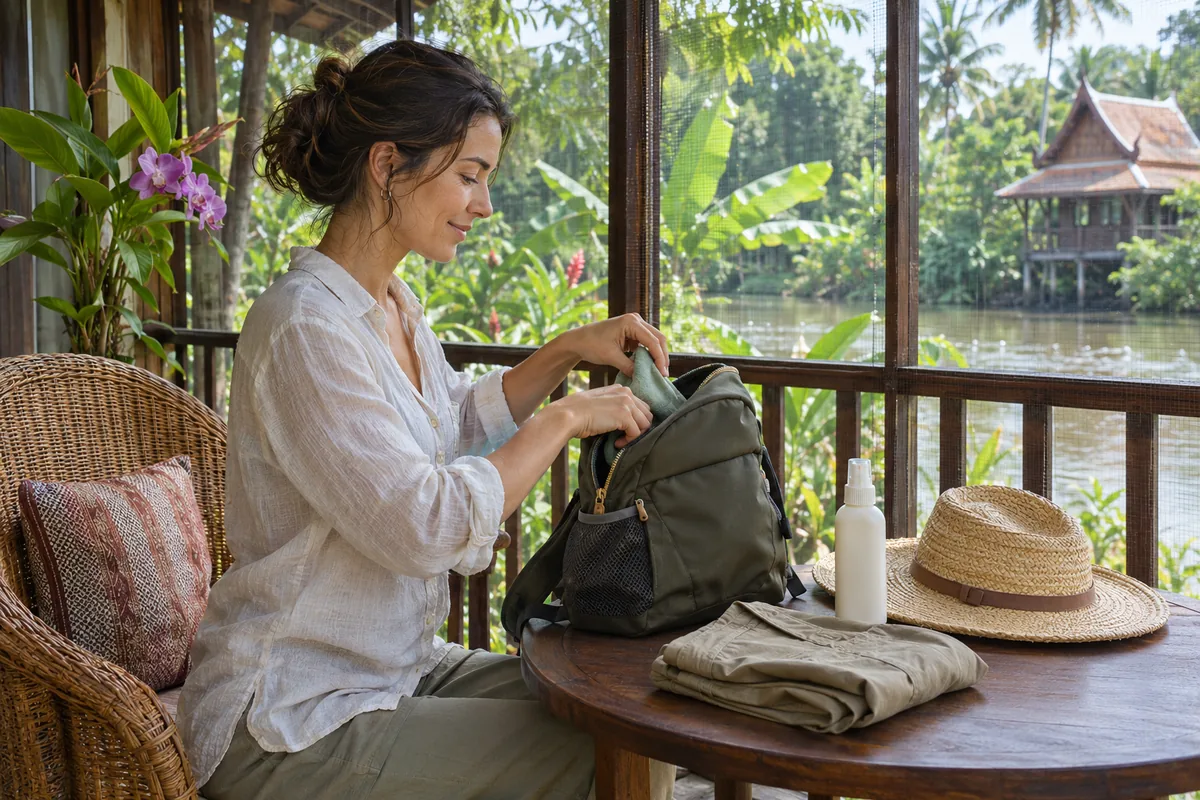
Thailand itineraries often look wonderfully compact on a phone screen: Bangkok, a few nights in the north, then an island stay. On the ground, those stops can involve quite different sleeping conditions, transport, and access to care. A hotel in Chiang Mai city and a remote forest camp described as being “near Chiang Mai” should not be treated as the same location when discussing health precautions.
Travel health for Thailand in Ajax starts by making the itinerary more precise. You do not need every restaurant reservation, but you do need to identify the overnight destinations, outdoor activities, border crossings, and boat transfers. With those details, a consultation can focus on the parts of your journey that actually change the advice instead of producing an unnecessarily broad list of concerns.
Draw the route beyond the airport names
Write each hotel or lodge beside its province and nearest town. If a tour operator supplies only a marketing name, ask for the location or map pin. Add the start and finish points of treks, overnight boats, and wildlife excursions. An international flight into Bangkok says little about what happens during the following two weeks.
Keep optional activities on the list as well. Travellers often decide on a forest overnight stay or a neighbouring-country extension after meeting other visitors. You can preserve flexibility while still telling the clinician which possibilities are realistic. If a proposed activity would materially change your health plan, identify that before departure so you know when to seek updated advice.
The Government of Canada’s Thailand page brings together health, entry, transport, and regional safety information. Check the relevant regions while planning and again before leaving. Do not assume a beach booking makes an inland transfer appropriate, or that an airport connection follows the same rules as entering another country for several days.
Understand the city and forest malaria distinction
Malaria precautions in Thailand are geographically specific. CDC distinguishes rural forested border areas from places such as Bangkok, Chiang Mai city, and Phuket, where mosquito avoidance rather than preventive malaria medicine is generally recommended. The CDC Thailand chapter includes the map that makes this distinction clearer.
Bring the map location of a lodge rather than asking whether “the north” needs tablets. A clinician should assess your route, season, health history, and any relevant medicine interactions. If prophylaxis is prescribed, obtain written instructions and make sure the schedule covers the required period after leaving the risk area. Moving from a forest stay to a beach does not necessarily mean the medication course is finished.
Mosquito protection remains useful when malaria medicine is unnecessary. Pack repellent in your day bag, choose rooms that can exclude insects, and plan clothing you will actually tolerate in the heat. A long-sleeved shirt packed solely for an imagined cool evening is less useful than a comfortable garment you can wear on a real excursion.
Discuss longer stays and evening outdoor activities
A month spent volunteering in rural communities is different from a short city break. Japanese encephalitis vaccination is one example of a decision influenced by duration, setting, accommodation, and outdoor exposure. Tell the clinician about rice-growing areas, camping, evening work, and uncertain plans rather than reducing the discussion to a single number of travel days.
The CDC Japanese encephalitis prevention information explains the role of vaccination and mosquito prevention. A recommendation for one traveller does not establish the right choice for every person joining the same flight. Bring vaccination records and ask what protection is already documented, what might be indicated, and how much time is needed.
For an extended stay, ask the host organization about practical living conditions. Photographs of a classroom or project may reveal little about the bedroom, evening transport, or nearby medical services. Request those details directly. Knowing where you will sleep and how you will get help also makes it easier to choose insurance that reflects the actual placement.
Make the first days in Bangkok manageable
After a long journey from Ontario, an ambitious arrival day can become a sequence of missed meals, heavy bags, and outdoor queues. Arrange simple transport to accommodation and leave room to recover before a tightly timed tour. If your flight is delayed, know which bookings can move without losing the entire day.
Build walking routes around places to rest rather than around the largest possible number of attractions. Keep water and essential medication accessible. Travellers with conditions affected by heat should discuss a personal plan before departure, especially if medicines alter fluid balance or make symptoms harder to interpret. An air-conditioned stop is more useful when it is planned before someone becomes exhausted.
Look at the practical demands of the accommodation too. A charming room reached by several flights of stairs may feel different when carrying luggage after an overnight flight. Families with small children and travellers with mobility limitations can reduce arrival stress by asking about lifts, bathroom access, and the distance between the vehicle drop-off point and the room.
Enjoy meals with a repeatable decision process
Food tours and markets can be highlights of Thailand travel. Choose food that is cooked thoroughly and served hot, use a dependable water source, and clean your hands before eating. The Government of Canada’s food and water advice provides useful criteria without requiring you to memorize a list of dishes.
For allergies, prepare a clear translated explanation that identifies the ingredient and the need to avoid cross-contact. Ask the person who can actually confirm how the dish is prepared. A server’s polite agreement may not resolve an unfamiliar medical request, particularly when a sauce or garnish is prepared elsewhere. Keep prescribed emergency medication with you rather than in a room across town.
Arrange a simple illness plan before the trip. Know which symptoms require medical attention and what supplies your clinician recommends for dehydration. Avoid making a boat departure or prepaid excursion the reason to ignore persistent vomiting or significant weakness. A flexible afternoon is easier to replace than a full itinerary disrupted by worsening illness.
Treat scooters as a transport decision with consequences
An island rental counter can make a scooter seem like the default way to get around. Decide before arrival whether riding fits your experience, licence, and insurance. Check the actual policy wording and local requirements; a rental company’s willingness to hand over keys does not establish that you are qualified or covered.
If you do not intend to ride, choose accommodation with realistic alternatives. Ask about taxis, hotel transfers, walking distances, and the availability of transport after dinner. A low room rate may be less appealing if every meal requires a difficult journey on roads you do not know. Making the transport decision early protects you from choosing under pressure at the roadside.
For longer road transfers, look for a reputable operator, usable seat belts, and a schedule that allows breaks. Keep important medication and documents in a bag you can reach. If someone becomes ill en route, having the destination and emergency contacts saved offline helps the group respond without trying to reconstruct the booking from scattered messages.
Ask specific questions before an island stay
An island can have excellent accommodation while still being a challenging place to arrange urgent medical care. Find out whether the local facility can assess common emergencies, where more complex care is provided, and how transfers work after dark or during poor weather. “There is a clinic nearby” is only the beginning of that conversation.
Keep your insurer’s assistance information available in more than one place. If a boat is the only exit, ask who can authorize a change and what happens when scheduled services stop. Build enough time between the island departure and the flight home to absorb routine disruption without relying on the final possible connection.
If diving is part of the visit, give it its own review. Confirm the operator’s qualifications, emergency arrangements, and the timing of flights after diving with appropriate professional guidance. Our scuba-diving travel health article outlines questions to bring to a consultation. A pleasant snorkelling excursion and a compressed-air dive do not involve identical preparation.
Avoid hands-on animal attractions
Monkeys, dogs, and cats may approach travellers near temples, beaches, or food stalls. Keep your distance, avoid feeding them, and help children understand that a friendly appearance does not establish safety. Leave space for an animal to move away rather than surrounding it for a photograph.
After a bite or scratch, wash the area promptly and seek urgent medical assessment. Rabies prevention may be needed even after pre-travel vaccination. The CDC rabies guidance describes the need for care after potential exposure. If your itinerary includes remote places, discuss the implications of delayed access before travelling rather than assuming treatment will be immediately available everywhere.
Ask wildlife operators about the nature of the encounter before paying. Observing animals from a sensible distance is a different activity from feeding, bathing, carrying, or posing beside them. The itinerary description should be clear enough for you to make an informed choice, especially when children are participating.
Keep separate plans for travellers sharing a room
A shared booking can conceal different priorities. One person may want early dives while another expects late evenings, and a third may be managing medication that needs a reliable routine. Discuss those differences before arrival. Decide how each person can return to the room, reach the group, and get help without depending on the person who holds the only key or booking confirmation.
Put a small amount of practical information in a shared note: accommodation name in the local language, emergency contacts, insurer assistance numbers, and any health information each traveller chooses to share. Keep private details private, but tell a companion how to recognize and respond to a known emergency if that is relevant. This is particularly useful when an excursion separates the group for several hours.
Give children an age-appropriate plan for becoming separated at a busy market or beach. Agree on a meeting point that is easy to describe and identify a responsible adult who remains available. Avoid relying entirely on a phone that may be wet, lost, or out of power. These arrangements do not take much space in the itinerary, but they can prevent a minor disruption from becoming an exhausting search in unfamiliar surroundings.
Prepare for changes in weather and health
Rain can alter a forest walk, boat route, or road transfer. Give yourself an alternative activity and permission to cancel when local conditions deteriorate. Avoid wading through floodwater or using a swollen stream as an improvised shortcut. CDC explains the link between contaminated water and illness in its leptospirosis prevention guidance.
Keep a modest reserve of essential supplies and a way to charge your phone during disrupted travel. Store the final itinerary where a trusted person at home can find it. If the route changes, send the new overnight location rather than only a photo of the view. Accurate location information matters when someone needs to contact you or help arrange assistance.
Bring your records and route to a travel health consultation in Ajax. Include pregnancy plans, ongoing conditions, and medicines that could affect recommendations. Recheck current official advice close to departure, and seek medical assessment if you develop concerning symptoms during or after travel. A well-prepared Thailand itinerary still leaves space for discovery; it simply makes the practical decisions easier when circumstances change.