
June 24, 2025 · 10 min read
Travel Health for South Africa in Ajax: Plan Cape, Coast and Safari Stops
Plan South Africa travel in Ajax with practical guidance for Cape Town, coastal drives, safari regions, malaria decisions and medication during long transfers.
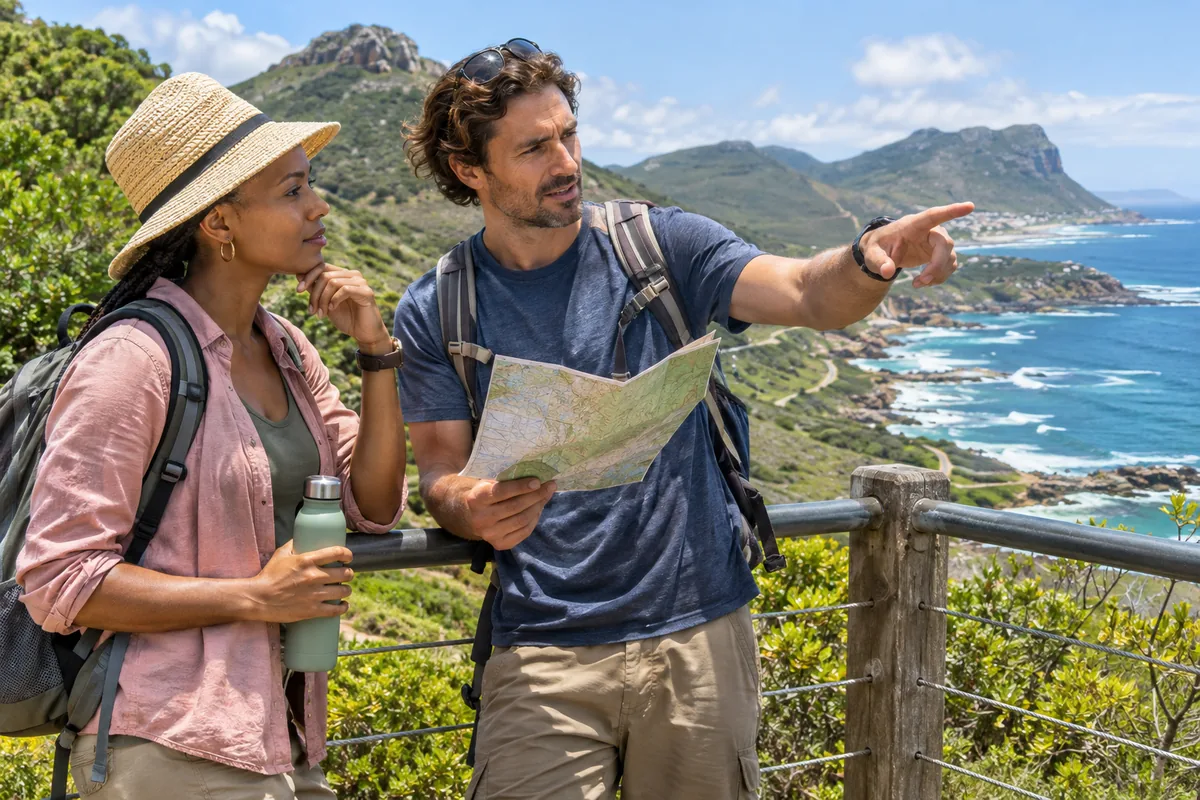
A South Africa holiday can move from Cape Town to a coastal road trip and then to a safari lodge near Kruger National Park. Those stops share a country, but they do not share every health consideration. The useful question is not whether South Africa needs one standard preparation package. It is what each part of your route asks of you and how your own health fits those demands.
Travel health for South Africa in Ajax begins with a precise itinerary. Include the provinces, accommodation locations, road distances, wildlife areas, and any neighbouring-country extensions. Add the full flight route as well. That information helps distinguish malaria prevention, documentation requirements, ordinary vaccine review, and practical needs such as medication storage or access to care on a long driving day.
Identify the actual safari area
Ask for the lodge’s location and the parks or reserves you will visit. A booking described simply as “South African safari” is not detailed enough for health advice. Different regions have different malaria considerations, and a lodge outside a park may still involve excursions into an area that changes the recommendation.
Record the transfer route from the airport and the time spent on the road. Note where you could stop if someone became unwell and how the operator communicates with the lodge. A short distance on a map does not always mean a quick journey, particularly when the itinerary includes sightseeing or remote roads.
Check the Government of Canada’s South Africa advisory for current health, transport, safety, and entry information. Review the relevant regions rather than relying on the general description alone. Recheck close to departure and after any substantial change to the itinerary.
Distinguish Cape travel from malaria-risk routes
Malaria prevention is relevant in designated northeastern areas, including Kruger National Park and parts of Limpopo, Mpumalanga, and KwaZulu-Natal. It is not a uniform recommendation for every South Africa trip. The CDC South Africa chapter explains the geography and seasonal considerations that a clinician should review with your route.
Do not infer the advice from the weather forecast or the lodge’s mosquito sightings. Ask whether preventive medication is indicated for the places and dates involved. If prescribed, discuss interactions and follow the full instructions, including the required period after leaving the area. Returning to Cape Town does not automatically mean the course is complete.
Keep mosquito protection practical during the safari segment. Pack repellent with the items used every morning and evening, inspect screens or nets, and choose comfortable clothing with useful coverage. If fever develops during or after malaria-risk travel, seek prompt assessment and tell the clinician where you have been, even if you took preventive medicine.
Check yellow fever paperwork against the flight sequence
South Africa has no yellow fever transmission risk, but documentation can be required for travellers arriving from or spending relevant transit time in countries with yellow fever risk. This is why the full flight route matters. A direct journey and an itinerary connecting elsewhere may raise different paperwork questions.
Confirm current requirements with official authorities before departure, including any changes to the transit itinerary. Do not assume that advice written for another traveller’s flights applies to yours. If a certificate is needed, discuss vaccine suitability and timing with a clinician rather than treating it as an airport administrative task.
Bring previous vaccination records and keep any required original certificate accessible. A medical waiver should be discussed carefully because acceptance rests with the destination authorities. Our yellow fever preparation article explains the distinction between personal health advice and entry documentation.
Use the appointment to review ordinary protection too
Bring routine immunization records, previous travel vaccine details, and a medication list. Discuss hepatitis A and any other vaccines indicated by the route and activities. Travellers visiting relatives or staying for an extended period should describe those plans fully rather than assuming a familiar destination needs less preparation.
Tell the clinician about pregnancy plans, immune-suppressing treatments, allergies, and recent changes in your health. A city business trip, a rural family visit, and a remote wildlife project can require different assessments. Give enough detail for recommendations to reflect the actual trip, including activities that are still optional but likely.
For work or volunteering, clarify duties, accommodation, supervision, and access to medical support. A role that involves animals, health care, construction, or fieldwork should be described specifically. Ask the organization how it responds to illness or injury and whether its arrangements complement your own insurance rather than assuming participation automatically includes comprehensive support.
Plan a Cape Town day around weather and ability
City sightseeing can still involve steep walking, exposed viewpoints, and rapidly changing outdoor conditions. Ask how demanding a planned walk is and whether there is a straightforward way to shorten it. Keep the first day after a long flight manageable, particularly if someone is tired or adjusting to a medication schedule.
For mountain or coastal walks, check local conditions and follow closures and qualified advice. Bring the layers and supplies appropriate to the actual route rather than relying on the temperature at your hotel. Tell someone where you are going and when you expect to return, especially if your plans change after leaving accommodation.
Choose a route that fits the whole group. A person who is comfortable walking in Ajax may find unfamiliar gradients, uneven surfaces, or prolonged sun exposure more demanding. Discuss limitations early so they can shape the activity without becoming an awkward decision halfway through a trail.
Make a coastal drive comfortable and manageable
Look at driving time rather than simply the number of places included. A route with many appealing stops can become tiring when each day requires packing, navigating, and reaching a new accommodation before evening. Consider whether fewer overnight moves would give you more time to enjoy the journey.
Schedule breaks and make sure the driver can rest. Keep drinking water, essential medication, and a reliable snack within reach rather than buried in luggage. If a traveller has back pain, bladder symptoms, diabetes, or mobility limitations, plan stops around those needs instead of hoping they align with the sightseeing schedule.
Ask accommodation about parking, stairs, and the distance between the vehicle and room. These details can matter after a long transfer or when carrying medical equipment. Save addresses offline and keep a backup way to contact the next host. A well-organized arrival reduces the temptation to rush when the day has already become tiring.
Treat beaches and inland water as separate choices
Follow local beach warnings and swim only where conditions suit your ability. Ask about lifeguard coverage and choose a clear supervision arrangement for children. A scenic bay or quiet stretch of coast should not be assumed suitable for swimming simply because it is accessible from the road.
Some freshwater areas in South Africa pose schistosomiasis risk. Avoid swimming or wading where that risk is present; the water’s appearance does not establish safety. The CDC schistosomiasis prevention guidance explains why freshwater exposure needs a different assessment from an ocean activity.
If a tour includes a river, reservoir, or waterfall swim, ask about the exact location and seek appropriate advice before joining. Do not let the fact that an activity is optional make the decision casual. The option to stay dry or choose another excursion should be clear and comfortable for everyone in the group.
Include ticks in outdoor preparation
Walking through vegetation can expose travellers to ticks, including those associated with African tick-bite fever. Use suitable insect precautions, clothing, and checks after outdoor activity. The CDC guidance on avoiding bug bites describes practical steps that also support broader insect protection.
Set aside a few minutes after a walk to check clothing and skin rather than waiting until the end of a busy day. Parents can help children check areas that are difficult to see. Keep a small, usable first-aid kit and understand what to do if a tick is found; ask your clinician for advice if you are uncertain.
If fever, a rash, or an unusual lesion develops after an outdoor visit, mention the activity and location during assessment. Do not assume every fever after safari is the same illness. A clear travel history helps clinicians consider the possibilities without relying on a broad regional label.
Keep animal contact outside the wildlife experience
Follow guides’ instructions about distance and movement around wildlife. Avoid touching or feeding animals and be equally cautious with unfamiliar dogs and cats near homes or accommodation. A close photograph is not worth an exposure that may require urgent care and substantial changes to the itinerary.
Discuss rabies vaccination if your activities or access to treatment make it relevant. After a bite or scratch, clean the wound and obtain urgent medical assessment, even if vaccinated before travel. The CDC rabies prevention guidance explains the need for professional care after potential exposure.
Ask rural hosts and operators where that assessment could be arranged and how transport works after hours. Availability can differ between large centres and remote settings. Save written details of any treatment received abroad, including dates and product names, so continuing care can be organized accurately.
Check power and storage for medical equipment
If you rely on a powered device, ask each accommodation about the actual supply and backup arrangements. A general promise of electricity does not answer whether your device can run through the night. Confirm voltage, adapters, batteries, and operating requirements with the manufacturer or treating team before departure.
For temperature-sensitive medication, discuss storage throughout the route with a pharmacist. Include time in vehicles, at airports, and during check-in rather than focusing only on the hotel refrigerator. Ask how supplies will remain within their required range if the journey is delayed or a power interruption occurs.
Carry medicines in labelled packaging and confirm destination and transit rules for controlled products. The Government of Canada’s medication advice provides a useful framework. Keep generic names and a concise medical summary available offline so a clinician can understand your usual treatment if help is needed.
For a family visit combined with touring, agree where medical supplies and important documents will stay when you leave relatives’ homes for several nights. It is easy to treat the family house as a secure base and accidentally leave behind something needed on the safari or coastal segment. Repack from a written personal list rather than relying on memory during a busy farewell. Tell a relative how to contact the next accommodation and who holds the current itinerary. If another family member changes plans, update the shared information so nobody assumes you are still in the previous city when assistance or a message needs to reach you.
Know how insurance assistance will work from each stop
Identify a suitable medical facility near the main urban stays and ask operators about care from remote lodges. Save the insurer’s emergency number, policy details, and the information a companion would need to call. Ask how payment and authorization work rather than discovering the process while arranging transport.
Check coverage for your actual activities, including guided walks, diving, mountain outings, or work placements where relevant. Disclose existing conditions as required by the policy. The Canadian travel insurance guide helps organize questions about medical care and evacuation.
Bring the full itinerary and records to a travel health consultation in Ajax. Recheck official guidance before departure and keep notes of locations and treatment during the trip. If you need medical care after returning, describe the specific safari, rural, freshwater, and outdoor exposures. That detail makes your South Africa journey much more useful clinically than the country name alone.