
June 15, 2025 · 9 min read
Travel Health for Peru in Ajax: Coast, Andes and Amazon Planning
Plan Peru travel health in Ajax with practical guidance for altitude changes, Amazon extensions, vaccines, trekking schedules and access to medical help.
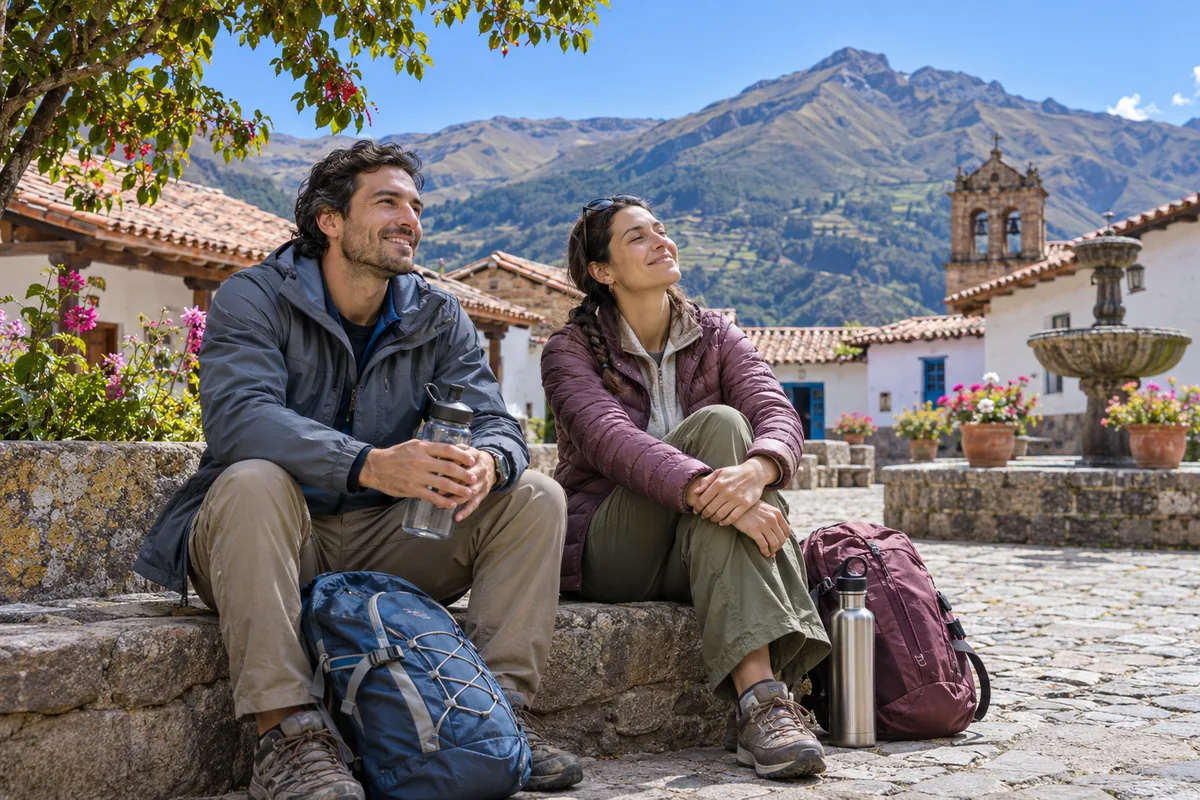
Peru can combine three very different environments in one itinerary: a coastal arrival, a high Andean stay, and an Amazon lodge. The transitions are often quick. A traveller may leave a hotel near sea level in the morning and sleep high in the mountains that night, then reach a humid lowland setting only days later. A good health plan follows those changes in order.
For travel health for Peru in Ajax, the most useful document is a detailed nightly itinerary. Include elevations, lodge locations, trek stages, and transport between regions. This allows a clinician to separate altitude planning from mosquito-borne disease prevention and ordinary travel preparation. Advice for a Lima and Cusco visit should not automatically be extended to a jungle addition or a more demanding mountain route.
Write the sleeping elevation beside every night
Tour descriptions often emphasize the highest viewpoint or the famous site at the end of a walk. For acclimatization, where you sleep and how quickly that elevation changes deserve particular attention. Request the altitude of each overnight stop, including the first hotel after a domestic flight and every camp on a trek.
Compare operators using the actual schedule. Two trips with the same route name may allow different amounts of time to acclimatize. Ask where rest days occur and whether the itinerary can change if someone develops symptoms. The cheapest or shortest version may not provide the flexibility you want, particularly when travelling with people who respond differently to altitude.
Our altitude preparation guide can help organize the questions. Fitness is useful for the physical demands of walking, but it does not guarantee protection from altitude illness. Tell your clinician about previous high-altitude experiences with dates, elevations, ascent speed, and symptoms rather than simply saying that you have been in the mountains before.
Treat arrival in the Andes as a health decision
Avoid filling the first high-altitude day with strenuous activities merely because the flight arrives early. Discuss a gradual ascent strategy and whether the sequence of overnight stays can be improved. If you have a heart or lung condition, sleep-related breathing problem, or previous significant altitude illness, arrange individualized advice before the route is fixed.
The CDC high-altitude guidance explains why gradual acclimatization matters. Do not continue ascending with symptoms; worsening illness requires descent and medical assessment. Confusion, inability to walk steadily, or breathlessness at rest are emergencies that need immediate help and assisted descent.
Make the response plan explicit with companions. Agree that reporting symptoms early is part of responsible participation. Ask who accompanies a traveller who must turn back and how the rest of the group proceeds. These arrangements are easier to discuss in Ajax than beside a trail when everyone is tired and the next booking is nonrefundable.
Review the actual trek, including the exit routes
Ask the operator for walking hours, terrain, elevation changes, bathroom arrangements, and the location of vehicle access. A trek can be challenging for reasons beyond distance. Steep descents, uneven steps, a heavy daypack, or limited shelter can affect what equipment and support you need.
Find out how guides communicate in remote sections and what happens when weather prevents a planned evacuation. A promise that “help is available” should lead to practical details about transport, staffing, and expected access. Check your insurance for the specific route, maximum elevation, and activities. Do not assume ordinary sightseeing coverage includes every trek or rescue arrangement.
Prepare footwear and walking equipment before departure so the first long day is not a trial run. Pack essential medication where you can reach it rather than placing everything with luggage carried separately. If you use a powered device or temperature-sensitive medicine, review the realities of camp and lodge facilities before committing to the route.
Assess an Amazon extension separately
A short flight from the Andes can lead to a very different set of precautions. CDC identifies malaria transmission in Peru’s Amazon region and other selected lower-elevation areas, while common highland destinations such as Cusco and Machu Picchu are treated differently. The CDC Peru chapter includes maps for a route-specific discussion.
Bring the jungle lodge’s location and excursion plan, not only the gateway city. Ask whether malaria preventive medication is indicated and how to follow the full schedule. If the extension is added after your initial consultation, seek updated advice before departure. A comfortable experience in the mountains says nothing about the prevention needed for a different environment.
Mosquito and other insect precautions should fit the lodge’s daily routine. Ask when walks and boat trips occur, how rooms are screened, and whether bed nets are provided where needed. Keep repellent in the excursion bag rather than deep in transferred luggage. Choose clothing that gives useful coverage and can be worn comfortably in humid conditions.
Separate yellow fever advice from border paperwork
Yellow fever vaccination can be recommended for particular areas of Peru, especially relevant lowland routes, without being a universal requirement for every visitor. A clinician should review the current map and your health history. Vaccine suitability needs individual consideration, including age, immune status, pregnancy, and previous reactions.
Check entry rules for the entire international itinerary, particularly if Peru is one stop in a longer South American journey. Another country may have requirements related to where you have recently travelled. The Government of Canada’s Peru advice is a starting point, but confirm any documentation requirements with the relevant destination authorities close to departure.
Bring previous vaccination certificates rather than relying on memory. Ask what records to carry and how to keep them accessible during border crossings. A photograph can be a useful backup, but it should not be assumed to replace an original document where one is required. Keep paperwork protected from rain during boat and trekking transfers.
Review routine protection and personal medicines
The excitement around altitude and jungle travel can distract from routine immunization. Bring your records and ask about the full travel vaccine review, including hepatitis A and other vaccines relevant to your route. A single destination-specific injection does not address every preventable infection encountered during flights, city visits, and group travel.
For regular medicines, use labelled packaging and carry a clear list of generic names. Confirm rules for controlled products in Peru and any transit countries. The Canadian medication guidance explains why the legal status of a medicine can differ abroad. Discuss a practical schedule with your pharmacist if travel days cross time zones or disrupt meals.
If medication is prescribed for altitude or malaria prevention, understand its purpose, instructions, and possible adverse effects. Do not swap tablets with companions or use one person’s plan for the whole group. Keep the instructions in the same accessible place as the medicine and let a trusted companion know where they are if appropriate.
Give food plans the same attention as the route
Peru’s food culture can be a highlight, but food safety decisions still apply. Choose thoroughly cooked food served hot and dependable drinking water. Raw seafood dishes involve a different exposure from cooked meals; do not assume that citrus preparation makes them equivalent. The Government of Canada’s food and water advice explains the relevant precautions.
On a trek, ask how drinking water is supplied and treated, how bottles are refilled, and what meals look like when the group is delayed. Bring a few suitable snacks, especially if you have allergies or need predictable eating times. Tell the operator about dietary requirements before arrival so the person buying and preparing food can plan appropriately.
Discuss a response to diarrhea and dehydration with your clinician. Know when symptoms require assessment rather than another day of walking. Illness can also make it difficult to distinguish ordinary travel discomfort from altitude-related symptoms. Report changes early and let the guide and medical team assess the situation rather than assigning a convenient explanation yourself.
Check boats and remote-lodge access
For Amazon travel, ask how long the transfer takes, whether appropriate life jackets are available, and how a passenger who becomes ill returns to care. The answer should cover the lodge’s actual location and the least convenient time of day. A boat available during a scheduled transfer may not automatically be available overnight.
Keep essential medication and documents in a protected personal bag. Explain any mobility limitation before booking because boarding arrangements can vary with water levels and the landing site. Ask how luggage is handled and whether you can access needed supplies during the journey. Small practical details can make a long transfer much more comfortable.
Avoid swimming or entering unfamiliar freshwater simply because others are doing so. Follow qualified local advice about wildlife and water hazards, and consider infection risks as part of the activity assessment. If a tour description is vague, ask exactly what participation involves before choosing it.
Build weather flexibility into both environments
Mountain and jungle conditions can disrupt travel in different ways. Ask operators how rain affects trails, roads, boats, and flights, and what alternatives exist. Keep a buffer before the international flight home if the previous segment depends on a remote transfer. One extra night in a well-connected location can make disruption easier to manage.
Pack so that wet clothing does not leave you without a dry layer for the next environment. Check bags after major transfers and replenish the small supplies used most often. A daypack organized for a warm boat trip will need a different arrangement before a cold early mountain start. Prepare for the next activity deliberately rather than assuming yesterday’s bag is ready.
Follow current official travel advice about regional disruptions and avoid improvising around a closure. A delayed journey may be frustrating, but a route selected without local knowledge can create much greater difficulty. Keep your contact at home informed of changed overnight locations and revised return plans.
Keep the mountain and jungle equipment lists separate, then identify what must travel with you through both. Some operators store larger bags during a trek or arrange luggage transfers while you travel with a smaller pack. Confirm where essential medicines, certificates, and devices will be during that period. If stored luggage is unavailable until the end of a route, it should not contain something you may need to manage illness halfway through. Ask when and where bags are reunited with passengers, especially if different companies handle the trekking and Amazon portions. A clear handover reduces the chance that an otherwise sensible packing decision leaves a critical item in another town.
Decide what you will do if one traveller stops early
Many groups discuss the summit or final site more carefully than the possibility of returning before it. Ask whether a traveller can leave a trek safely with support, where they would stay, and how they would reconnect with companions. Confirm who holds tickets and accommodation information so the person leaving is not dependent on someone continuing into an area without signal.
Set aside a practical reserve for changed transport or lodging within your means. Review the insurer’s assistance process and the information required when seeking approval for care. The Canadian travel insurance guide helps identify questions about evacuation, existing conditions, and adventure activities.
Bring this complete plan to a travel health consultation in Ajax. Check current official information again before leaving and save records of locations, symptoms, and treatment during the trip. If illness develops after your return, mention the Amazon extension, altitude exposure, and any other relevant activity at the outset. Peru’s variety is best enjoyed with preparation that is equally specific.