
June 9, 2025 · 9 min read
Travel Health for Mexico in Ajax: Beyond the Resort Booking
Explore Mexico travel preparation in Ajax, including resort routines, inland excursions, mosquito precautions, food choices and plans for medical assistance.
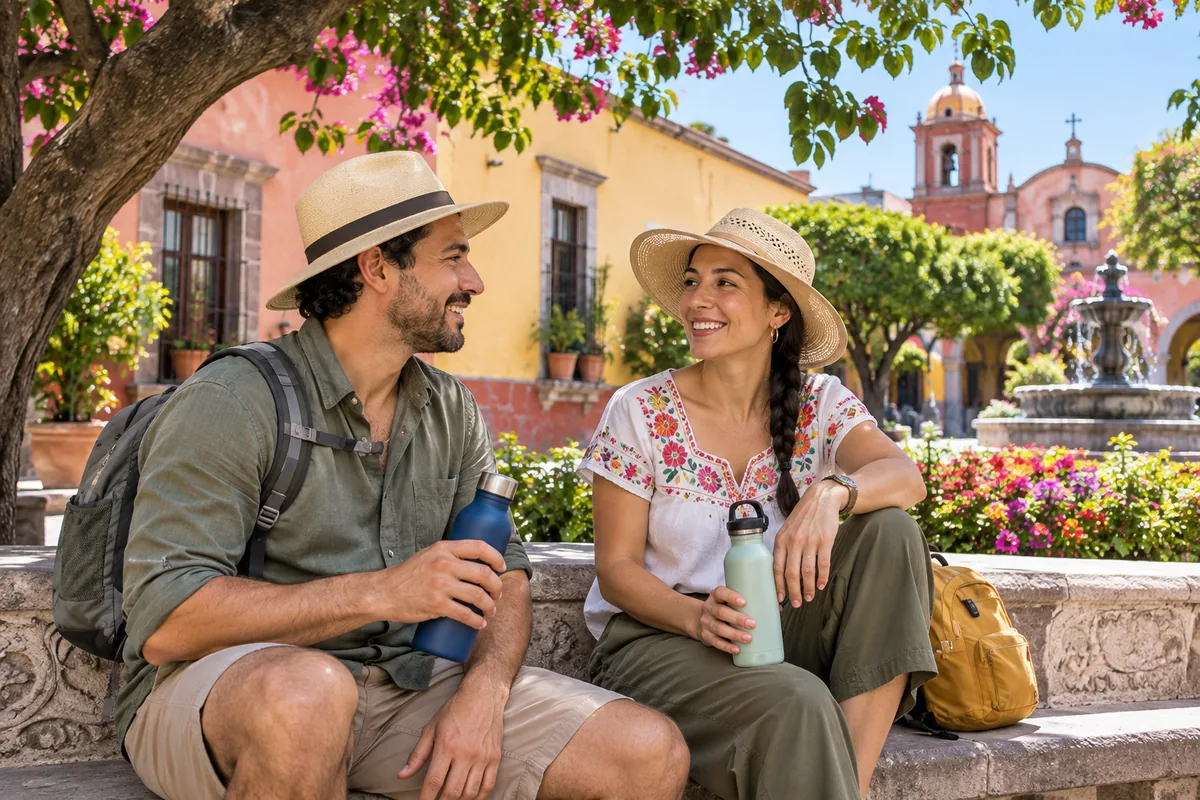
A Mexico holiday may feel straightforward when the flight, transfer, and hotel are sold together. That convenience is helpful, but it does not describe every health decision you will make after arrival. A family may add a cenote excursion, an inland road trip, a wedding at another property, or a few days with relatives. Each addition deserves the same attention as the original booking.
Travel health for Mexico in Ajax begins with the state, town, and activities on your actual itinerary. Cancun, Mexico City, a rural community in Chiapas, and a desert road trip should not be compressed into one generic set of recommendations. The useful task is to understand what changes along your route and prepare for those differences before you are standing at an excursion desk.
Describe the trip beyond the resort name
Write down the accommodation location and every planned overnight stop. Add excursions that leave the property, including visits to archaeological sites, farms, caves, and smaller communities. If you have not selected a tour, record the type of activity you are considering. This gives a clinician enough detail to discuss meaningful possibilities without requiring a fully booked schedule.
For visits to relatives, include the actual community and living arrangements. A family address may be far from the city named on the airline ticket. Ask about drinking water, transport, and nearby medical care in the same practical way you would ask about beds and airport pickup. Hosts can help more effectively when they know your needs before arrival.
Check the Government of Canada’s Mexico advisory for the particular states and travel routes involved. Regional advice can change and may affect both your plans and insurance. Do not assume that a popular hotel destination establishes the suitability of every road journey offered from it.
Review vaccines before focusing on excursions
Find routine immunization records and previous travel vaccination documents. Ask about hepatitis A and any other vaccines indicated by your activities and health history. A familiar destination still deserves a review if you have not checked your records for years or if children are travelling on a different schedule from the adults.
The CDC Mexico chapter describes the country’s varied travel-health considerations. Typhoid may be relevant depending on the itinerary, particularly when visiting smaller communities or staying with friends and relatives. A clinician should make recommendations from your actual plans rather than assuming that all Mexico trips are short resort stays.
Bring information about allergies, pregnancy or pregnancy plans, chronic conditions, and regular medication. If a traveller has recently been ill or changed treatment, mention that even if the booking was made months ago. The medical review should reflect the person travelling now, not only the circumstances that existed when the deposit was paid.
Separate mosquito advice from assumptions about the coast
Mosquito-borne disease risk differs by region and infection. Malaria prevention is relevant in selected areas of Mexico, rather than uniformly across the country. Ask the clinician to check the current map for the states and rural stops on your route. Avoid using advice for one beach destination to make decisions about an inland extension.
Dengue prevention remains important in many settings where malaria medication is unnecessary. Use a repellent according to its label, consider comfortable clothing that covers skin, and choose sleeping spaces that keep mosquitoes out. The CDC guidance on avoiding bug bites explains the practical measures. Put supplies in your excursion bag before leaving the room.
If you are pregnant, considering pregnancy, or travelling with a pregnant partner, discuss current Zika guidance and other relevant risks. Recommendations can change with the destination and individual circumstances. This conversation belongs before booking an inflexible trip, when there is still time to consider alternatives and obtain advice from the clinician managing the pregnancy.
Make buffet and drinking-water decisions consistently
An attractive dining room does not remove the need to consider how food is handled. Choose thoroughly cooked food served hot and avoid dishes that have been sitting at an uncertain temperature. Use a reliable water source and pay attention to ice and beverages prepared away from your usual accommodation. The Canadian food and water advice provides the core precautions.
At a buffet, look at the food as it is being served now rather than relying on what the station looked like earlier. If an option seems uncertain, choose another. This does not require a complicated rule for every dish; it requires permission to make a straightforward choice without feeling that a prepaid meal must include everything available.
For allergies, speak with the person able to confirm ingredients and preparation. A translated explanation can help, especially when the restaurant is busy. Discuss sauces, marinades, garnishes, and shared equipment. Keep prescribed emergency medication with you at meals and on excursions, even when the restaurant is only a short walk from your room.
Give children a workable pool and beach routine
Agree which adult is actively supervising before anyone enters the water. Large groups can create the mistaken impression that somebody else is watching. Make the handover explicit when adults change tasks, and choose a position that allows close attention rather than trying to supervise from a distant table.
Check the day’s beach conditions and follow flags, closures, and lifeguard instructions. A pool and the ocean are different environments, even when they are steps apart. Ask whether child-sized flotation equipment is appropriate for the activity and ensure that it does not replace supervision. Do not let a confident swimmer’s enthusiasm set the plan for a less experienced companion.
Schedule shade, drinks, and quiet breaks before children become exhausted. Keep footwear handy for hot or uneven surfaces and put essential supplies in one bag. Our family travel health guide offers a broader preparation framework. A simple routine is easier to maintain than a complicated checklist that nobody follows once the holiday starts.
Ask more than the price of a cenote excursion
Find out whether the activity involves ordinary swimming, snorkelling, cave entry, or diving. Those descriptions have different implications for training, equipment, and emergency planning. Ask who supervises the group, how participants are screened for ability, and how someone leaves the activity if they become uncomfortable.
Avoid treating clear water or a popular photo location as proof that all conditions are suitable. Follow posted instructions and operator guidance, and do not swallow recreational water. If you have open wounds or a medical condition that affects participation, obtain individualized advice before the excursion. A responsible operator should be able to explain the activity in plain terms.
For compressed-air diving, use qualified diving guidance and confirm the timing of flights afterward. Check your policy for the activity and required certification. Our article on diving preparation identifies questions that are easy to overlook when an excursion is purchased spontaneously after arrival.
Plan inland days around heat and elevation
A coastal hotel and an inland archaeological site may provide very different amounts of shade, walking, and access to water. Ask how much of the excursion is spent outdoors, where breaks occur, and whether the vehicle remains available. Consider whether a shorter visit would allow everyone to enjoy the experience more comfortably.
Mexico’s highland destinations also deserve their own review, especially when a route climbs rapidly or includes mountain activities. Record sleeping elevations for any substantial ascent and discuss symptoms or medical conditions that could affect the plan. Do not assume fitness or a previous comfortable city visit guarantees tolerance of a higher excursion.
Keep the first demanding day separate from the most tiring arrival or transfer whenever possible. A schedule with room to adjust is useful if someone develops a headache, stomach upset, or unusual fatigue. Decide ahead of time which activity is optional so you do not have to negotiate the entire holiday while a traveller is already feeling unwell.
Avoid turning a pharmacy visit into a substitute for assessment
Carry your regular medicines in labelled packaging and keep a list of generic names. Confirm rules for any controlled medication before departure. The Government of Canada’s medication guidance explains why legality and documentation must be checked for the destination and transit route.
If you become ill, seek appropriate professional advice rather than choosing an antibiotic or unfamiliar combination product because it is easily offered. A medicine’s availability does not establish that it suits the symptoms, interacts safely with your prescriptions, or removes the need for examination. Ask for written records of treatment and keep packaging when practical.
Before travel, discuss what you can reasonably manage yourself and which signs require care. Significant dehydration, bloody diarrhea, persistent vomiting, severe pain, or fever with concerning symptoms should not be ignored to preserve an excursion. Know where you would go from the hotel and how a companion would arrange transport.
Keep medical tourism separate from ordinary holiday planning
If treatment or a procedure is part of your Mexico visit, tell your usual clinician and insurer before departure. Discuss follow-up, complications, records, and the timing of travel after the procedure. An attractive recovery setting does not answer those medical questions, and a holiday insurance policy may not cover planned care or related problems.
Ask the treating facility who will assess you if complications occur after hours or after you leave the city. Arrange a clear handover of records for clinicians in Canada. The Government of Canada’s medical tourism advice outlines considerations that extend beyond the advertised procedure price.
Allow the medical plan to determine the schedule rather than fitting treatment into a spare day between activities. Companions should understand their role and have a way to obtain help. If an operator cannot explain the follow-up arrangements clearly, resolve that uncertainty before committing to travel.
For a destination wedding, ask the organizer for the real event timetable rather than only the ceremony time. There may be a rehearsal, outdoor photographs, transfers, and a late meal that extend the day considerably. Decide where medication and allergy supplies will stay when guests change clothes or leave bags behind. Arrange a way to return to accommodation independently if someone needs rest. If children attend, plan a reliable meal and a quiet place to pause before the main reception. These details can be handled with one short conversation before departure, leaving less to negotiate when the wedding party is busy and transport has already been assigned.
Test the holiday against one sick afternoon
Imagine that one person needs to stay in the room while the rest of the group has plans. Who remains available, how are meals obtained, and can the person contact assistance without using someone else’s phone? This simple exercise can expose practical gaps in a group booking before they become frustrating.
Put the hotel address, insurer contact, and emergency information in a shared note. If the resort is large, identify the room building and the route to reception. Keep a payment method accessible in case care requires an initial payment, and ask the insurer how its assistance process works. The Canadian travel insurance guide is a useful place to start those questions.
Bring the itinerary and health records to a travel health consultation in Ajax. Check current official advice again near departure, particularly if the route changes. When you return, mention the places visited and any illness or treatment if you need medical care. Good preparation makes a familiar holiday easier to manage when something unexpected interrupts it.