
June 27, 2025 · 9 min read
Travel Health for Infants in Ajax: Building a Baby-Friendly Trip
Prepare for travel with an infant from Ajax by planning feeding, safe sleep, vaccines, transport and access to medical care around your baby's needs.
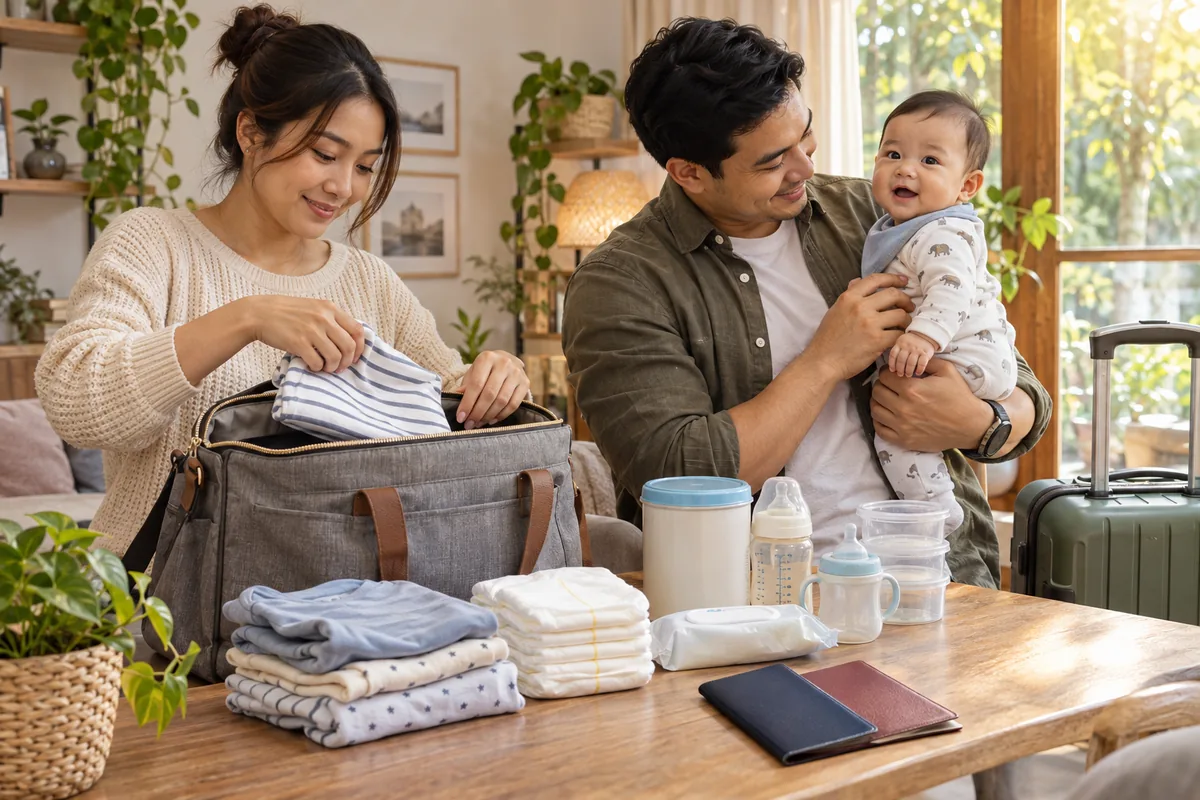
A baby’s first trip often begins with a family reason: grandparents who have not met their grandchild, a wedding, or a visit that has been postponed for months. The excitement is understandable. Yet a journey that once involved choosing a flight and packing a suitcase now depends on smaller, more immediate questions. Where will the baby sleep tonight? How will the next feed be prepared if the connection is delayed? Who can assess an infant if something seems wrong?
Planning travel health for infants in Ajax means making those questions part of the itinerary from the beginning. Babies cannot describe a headache, tell an adult that they feel unusually hot, or explain why they are refusing a feed. Preparation therefore depends on familiar caregivers, realistic schedules and a clear route to appropriate help.
Decide whether this particular journey works now
Start with the baby’s age, birth history, current feeding and any medical concerns. A premature infant or a baby receiving specialist follow-up may need a different discussion from an older, thriving infant. Ask the usual health care provider whether the route, flight duration, altitude and destination access to care are suitable. Airline acceptance is an administrative decision; it does not replace an assessment of the baby’s health.
Bring the complete itinerary to that conversation, including road transfers after landing. A short flight followed by six hours in a car can be more demanding than the flight description suggests. Consider whether the visit could happen in one location, whether relatives can travel to meet you, and whether an overnight stop would make feeding and rest easier. These are practical ways to shape a trip around your infant rather than repeatedly asking the baby to adapt to adult plans.
Put the immunization calendar beside the travel calendar
Locate the baby’s actual vaccination record and confirm the planned departure and return dates. International travel can change the timing of some childhood vaccinations, and eligibility depends on age and destination. Ask which protections can be offered before departure, which cannot yet be given, and whether any early travel dose must be followed by later routine doses. The CDC’s infant travel guidance describes why young children need an individual assessment.
Write follow-up appointments on the family calendar before leaving the consultation. A visit abroad that extends unexpectedly can otherwise interrupt the routine series at home. If travel includes several countries, make that clear instead of discussing only the first arrival point. Parents should also bring their own immunization histories to the appropriate appointment; a household trip is easier to organize when everyone’s outstanding questions are visible together.
Map feeding from your front door to the first morning
Imagine the whole journey in sequence: the drive from Ajax, airport check-in, security, the flight, immigration, baggage collection and the transfer. Mark the places where feeding is likely to happen. A bag containing everything needed for one feed should be reachable without unpacking clothing or moving several other suitcases. Keep spare clothes for the caregiver as well as the baby nearby.
For formula feeding, ask the baby’s clinician about the most workable preparation method for the trip. Powdered formula is not sterile, and safe preparation requires more than finding bottled water. Follow product instructions and age-specific advice; never dilute formula to stretch a supply. Health Canada’s powdered formula guidance explains preparation and handling precautions. Ready-to-feed products may simplify some journeys when appropriate, but opened products still need correct handling and storage.
Confirm the kitchen details that photographs cannot show
Ask accommodation providers direct questions about refrigeration, safe water, cleaning space and electricity. A kettle beside a bathroom sink is a different arrangement from a kitchen where feeding equipment can be cleaned and dried safely. A refrigerator intended for drinks may not offer dependable food storage. If relatives are hosting, share the feeding plan in advance so that helpful improvisation does not replace the instructions you use at home.
Pack a separate clean container for feeding items and another for used equipment. Think about the return journey, too: the final morning can be hectic, and the last set of clean supplies may already be packed. A simple paper note showing what must remain available until departure can help another adult take over. When breastfeeding, arrange comfortable opportunities to feed and discuss any anticipated separation or pumping needs before travel.
Reserve a safe sleep space before reserving excursions
Ask exactly what the accommodation means by a baby bed. Request the product name, a photograph and information about its condition. Follow Canadian safe sleep advice and the manufacturer’s limits. Health Canada identifies an appropriate crib, cradle or bassinet as the safest sleep setting and cautions that ordinary playpens are not recommended for unsupervised sleep in Canada. Its safe sleep away from home guidance helps families assess travel arrangements.
Plan for every overnight location, including a relative’s home and an unexpected airport hotel. Place the baby on their back on a firm, flat sleep surface without pillows, loose blankets or soft toys, following Health Canada’s safe sleep tips. A stroller, car seat or sofa should not become the overnight solution because everyone is tired. Discuss how caregivers will share responsibility when arrivals happen late and the usual routine has fallen apart.
Treat ground transport as an essential booking
A transfer company’s promise that a vehicle is suitable for families is too vague. Explain the infant’s age and size and ask about the actual child restraint, installation and vehicle compatibility. If bringing a seat, check airline and destination requirements before buying tickets. Consider how you will manage the seat, stroller, baby and bags together, especially if one parent travels alone.
For air travel, the Government of Canada’s guidance on flying with children explains child restraint considerations. Read the carrier’s own policy as well, because aircraft and seat arrangements differ. Build enough transfer time to install equipment correctly. Saving a few minutes at the airport is not useful if it leaves the family rushing through the part of the journey where a secure restraint matters.
Make the daily plan smaller than you think necessary
Choose one main activity and leave room around it for feeding, changing and sleep. A long list of prepaid excursions can make parents feel committed even when the baby has had a difficult night. Flexible bookings and nearby outings give the family permission to stop early without turning an ordinary change of plans into a financial argument.
Think through the physical setting. Is there shade? Is there somewhere to sit? Can you return to the accommodation easily? Will the baby spend long periods in a carrier while the adult is hot and tired? Ask the clinician about age-appropriate sun and insect protection for the destination, and follow Canadian product labels. Keep covers and netting from compromising airflow or safe sleep. Practical comfort decisions deserve attention alongside vaccine decisions.
Prepare for illness before deciding what to pack for it
Discuss fever, vomiting, diarrhea and poor feeding with the baby’s usual clinician before departure. Ask what needs immediate assessment for this baby’s age, which thermometer to use and how to describe the temperature accurately. A very young infant with fever needs prompt medical evaluation; parents should not wait for an adult-style illness pattern to appear. Ask for clear, written thresholds rather than collecting several conflicting internet charts.
Know the baby’s usual feeding and wet-diaper pattern so changes are easier to recognize. Persistent vomiting, markedly reduced urine, unusual drowsiness, breathing difficulty or a baby who is difficult to wake warrants urgent help. Do not try adult diarrhea treatments or estimate a medicine dose from an older sibling’s instructions. Keep any clinician-approved instructions and measuring devices together. The purpose of the kit is to support an agreed plan while appropriate care is arranged.
Choose the place where help would come from
Locate a facility that assesses infants, rather than simply finding the nearest building labelled clinic. Ask your insurer how to obtain help after hours and whether a hospital requires payment before treatment. Save the accommodation address and local emergency number offline. If the family stays with relatives in a rural area, calculate actual transport time instead of relying on a reassuring description that a town is nearby.
Check that the baby is specifically included in the travel insurance arrangement and that any birth complications or current conditions have been disclosed as required. Canada’s travel insurance guidance is a starting point for questions about coverage abroad. Separately, decide who will accompany the infant and who will care for older siblings if an urgent visit is needed. That family decision cannot be delegated to an insurance policy.
Give other caregivers instructions they can use
Relatives may be eager to feed, settle or watch the baby. Before handing over care, explain current feeding instructions, sleep arrangements and any medicines. A short written note can prevent misunderstandings when family members speak different languages or have different expectations about infant routines. Keep the conversation concrete: where supplies are stored, what time the last feed occurred and whom to call if the baby seems unwell.
Adults should also agree that concerns can be raised without embarrassment. A caregiver who says the baby seems different should be heard, even if an outing is already booked. Keep the baby’s health record accessible to whoever is responsible at that moment. If one parent goes out with the infant, essential documents and supplies should travel with them instead of remaining in the other parent’s handbag at the hotel.
Rehearse the delay that changes your feeding and sleep plans
Imagine that an evening flight is cancelled after you have checked out of the accommodation. The baby needs another feed, most supplies are packed and the airline offers a hotel that has not confirmed a suitable sleep space. Decide beforehand which bag must stay with you and which accommodation questions cannot wait until arrival. Keep the contact details for your original host in case extending the stay is the more workable choice.
Share this example with another caregiver and let them locate the next feed, clean equipment, spare clothes and the baby’s records. If only one adult can find everything, reorganize the bag together. Make sure the emergency supplies remain usable throughout the trip instead of being consumed early without replacement. Check the return journey with the same care as the departure from Ajax; familiarity with the destination can make the final day feel simpler than it actually is.
Consider budgeting for one unexpected night with appropriate facilities. Having a practical alternative can make it easier to decline a rushed transfer or unsuitable room when the baby needs ordinary care and everyone is tired.
Build the next trip from what this one teaches you
After returning to Ajax, record any illnesses, treatments or changes to feeding and share relevant information with the usual clinician. Bring documentation from care received abroad. If the infant develops fever after visiting a malaria-risk area, explain the travel history immediately when seeking urgent assessment, even if preventive measures were used.
Make a few practical notes while the experience is fresh. Perhaps one accommodation worked well because the sleep space was ready on arrival, or the family needed fewer destinations and more clean feeding supplies. Our family travel guide can help with wider household arrangements. For destination-related preparation, book a travel consultation and bring the baby’s records alongside a realistic description of the journey. The most useful plan is one that protects ordinary infant care even when travel becomes unpredictable.