
May 28, 2025 · 9 min read
Travel Health for India in Ajax: Family Visits, Cities and Mountain Routes
Prepare for India travel in Ajax with practical guidance for family visits, city stays, food choices, mosquito protection and higher-altitude side trips.
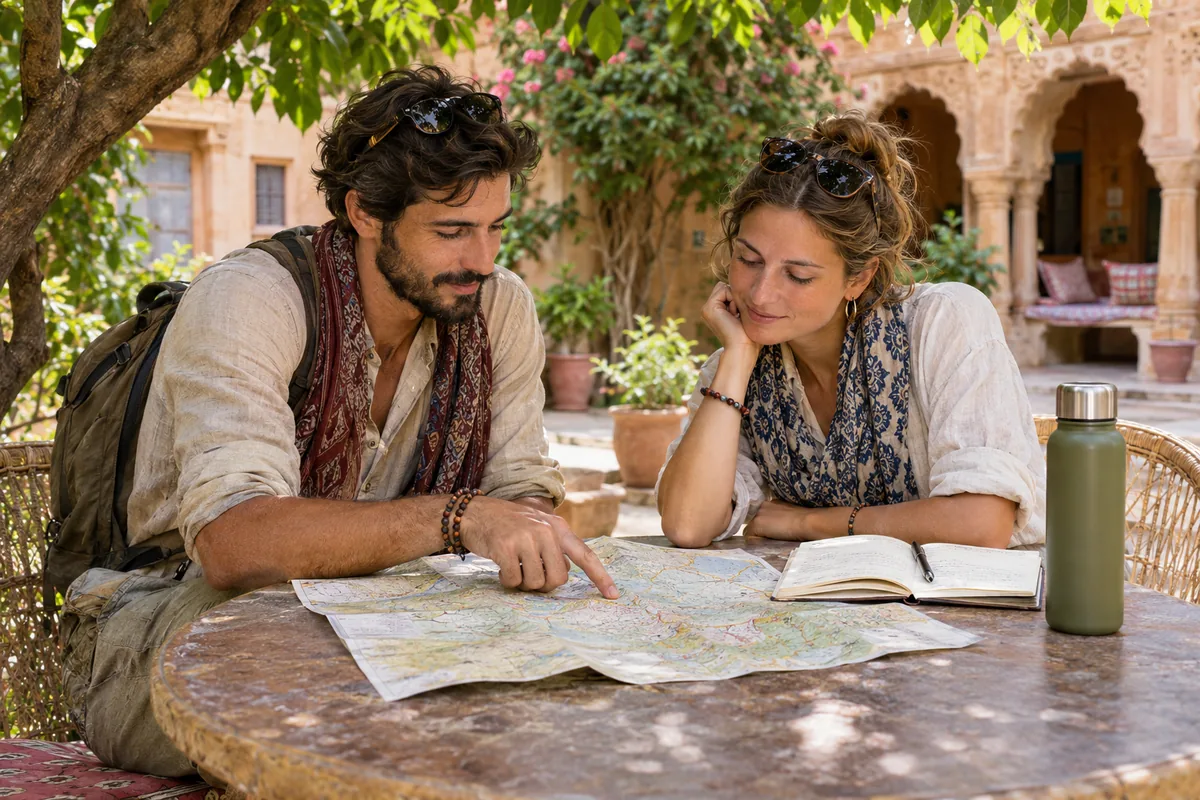
A trip to India can begin as a family wedding and grow into several very different journeys. There may be a few days in Delhi, a train to relatives in a smaller community, a coastal break, and an ambitious mountain excursion before flying home. Each addition changes the practical health questions. The hotel address on your arrival form rarely describes the whole visit.
Planning travel health for India in Ajax means looking beyond the country name. Where will you sleep, who will prepare your meals, how much time will you spend outdoors, and how quickly could you reach medical help? A useful plan also recognizes the social side of travel. Family commitments, celebrations, and the desire to make the most of a long flight can leave little room for rest unless you deliberately protect it.
Put the family itinerary on paper
Start with a simple calendar that includes the places you expect to visit, even if some dates remain flexible. Record the state and town for each overnight stop. Add wedding venues, day trips, farm visits, train journeys, and visits to ancestral homes. A clinician cannot assess a rural overnight stay that appears only in a relative’s messaging thread.
Ask one family member to gather the practical details. Is the house screened? Is there dependable drinking water? How far is the nearest hospital that can assess a seriously ill visitor? These questions are easier to discuss before everyone arrives with luggage. They also allow hosts to help without assuming that hospitality alone resolves unfamiliar health needs.
If you previously lived in India, bring that history into the consultation without treating it as permanent protection. Your circumstances may have changed since the last visit: children have joined the family, medication has changed, or the household you will visit has moved. Our guide to visiting friends and relatives explores why familiar surroundings still deserve a fresh review.
Review vaccines using records and actual plans
Find vaccination records before the appointment, including childhood documents, previous travel certificates, and pharmacy records. A dated entry is more useful than remembering that you received “all the travel shots” for an earlier trip. Ask the clinician to distinguish routine immunization, destination recommendations, and any documentation connected with the wider route.
The Government of Canada’s India advice provides a starting point for health precautions and entry information. Hepatitis A and typhoid deserve discussion, alongside routine protection and any other vaccines indicated by your circumstances. The appropriate combination depends on your history, health, activities, and departure date; it is not a package determined solely by nationality or trip length.
For a wedding party, avoid appointing one traveller to make medical decisions for everyone. A grandparent taking immune-suppressing medication, a pregnant guest, and a healthy adult may need different advice despite sharing a hotel. Arrange the logistical information together, then let each person review their own health privately. If departure is close, bring the same records and ask what remains worthwhile within the available time.
Separate malaria decisions from general mosquito protection
Malaria assessment needs the actual route. City travel is not automatically exempt: CDC identifies malaria in India, including Mumbai and New Delhi, while geographical and altitude differences affect recommendations. The CDC India chapter is a useful reference for a clinician reviewing your itinerary. Do not borrow a companion’s medication or assume a prescription from a previous country suits this journey.
Practical mosquito protection should fit the clothes and activities you really expect to wear and do. If evenings involve an outdoor ceremony, pack repellent where you can reach it while dressed for the event. If luggage will move between homes, keep your supplies in a small personal pouch. A product stored in another relative’s suitcase will not help during an unexpected outdoor wait.
Check bedroom screens and the way doors close when you arrive. Ask whether a bed net is available if the room cannot exclude mosquitoes, and inspect the sleeping arrangement before everyone is exhausted. Follow the product label for repellent. Mosquito precautions matter during daytime activities too; a malaria discussion does not cover every infection transmitted by mosquitoes.
Make food decisions workable around celebrations
Food is often central to the trip, and a thoughtful approach should be specific enough to use without turning every meal into an argument. Prioritize food that is thoroughly cooked and served hot, dependable drinking water, and fruit you can peel yourself. The Canadian food and water guidance explains the underlying precautions.
At a large event, consider how long a dish has been standing rather than judging it only by how appealing it looks. Plan a reliable breakfast before a long day so hunger does not force a rushed choice later. Carry a manageable snack for children and anyone whose medication or condition makes missed meals difficult. That small preparation can make it easier to decline an uncertain option politely.
Talk with hosts about drinking water early. Agree on what will be used for preparing drinks, taking medicines, and refilling bottles. If you have a food allergy, discuss ingredients in the language used by the person preparing the meal. A familiar dish name does not guarantee a familiar recipe, and a relative’s reassurance may reflect a different understanding of what counts as an allergen.
Build a realistic response to stomach illness
Before departure, ask what you should do if diarrhea interrupts a transfer or celebration. Discuss oral rehydration supplies, suitable symptom management, and circumstances that require medical assessment. Fever, bloody diarrhea, significant dehydration, or an inability to keep fluids down should not be treated as a routine inconvenience to endure until the next city.
Think through the setting in which illness might occur. A bathroom near your bedroom is different from a crowded overnight train. If possible, give yourself flexibility around the longest transfers and avoid scheduling them immediately after arrival. Know how to postpone a journey, contact the hotel, and obtain help without depending on the one family member who may be occupied with wedding duties.
Our article on travellers’ diarrhea planning can help organize the questions for your appointment. Medication should come with instructions suited to you, including when it is inappropriate. Purchasing an antibiotic because a shopkeeper or another guest recommends it can complicate the situation and delay an assessment that is actually needed.
Treat air quality as part of the daily schedule
Air quality deserves particular attention for travellers with asthma, lung disease, or heart disease. India has substantial regional and seasonal variation, and a clear morning view does not establish that the air is suitable for prolonged outdoor activity. Check local air-quality information and follow public health advice rather than relying on photographs or a forecast for a different city.
Before leaving Ajax, discuss how your established action plan applies during travel. Keep prescribed inhalers and other essential supplies accessible during flights and road journeys. If a day of sightseeing becomes uncomfortable, being able to switch to a quieter indoor activity is more helpful than discovering that every booking is rigid. The aim is to build choices into the itinerary while those choices are still easy to make.
Accommodation questions can be practical: can the room be kept comfortably closed, and is there a smoke-free space where you can rest? If relatives use incense, smoke, or cook in a way that triggers symptoms, raise the issue kindly before arrival. A short explanation about your own needs usually works better than a late discussion after you have become unwell.
Give Himalayan additions their own assessment
A flight from the plains to a high mountain destination is a substantial change, even when both places appear on the same domestic ticket. Ask for the elevation of each overnight stop and the speed of ascent. A mountain itinerary should be reviewed separately from the family visit that precedes it; several comfortable weeks at low elevation do not provide altitude acclimatization.
The CDC altitude guidance emphasizes gradual ascent. If symptoms develop after gaining altitude, do not continue higher; worsening symptoms or signs such as confusion, poor coordination, or breathlessness at rest require urgent action and descent with assistance. Discuss a personal plan before booking a demanding route.
Ask the operator what happens if you need an extra night or must turn back. Who accompanies you, how is transport arranged, and where can you receive care? A low introductory price can become less attractive if the schedule leaves no option to adjust. Treat flexibility as part of the trip design, alongside guides, equipment, and accommodation.
Keep animal encounters outside the plan
Monkeys near visitor sites and dogs near homes can feel like part of the scenery. Avoid feeding, touching, or approaching them, and make the same rule clear to children before an encounter happens. A small scratch should not be dismissed because the animal looked healthy or because the visit was brief.
Wash a bite or scratch promptly with soap and clean water and seek urgent medical assessment for rabies prevention. Prior vaccination does not remove the need for care after an exposure. The CDC rabies prevention guidance explains why assessment is time-sensitive. Ask about pre-exposure vaccination if activities or distance from treatment make an exposure especially difficult to manage.
Agree on one manageable celebration day
Choose the busiest day of the visit and walk through it with the people travelling with you. Imagine the morning preparation, transport, ceremony, meal, photographs, and late return. Identify where each person can rest, refill a bottle safely, take medication, or leave early. This exercise often reveals needs that a general packing list misses because the difficulty comes from the schedule rather than a missing item.
For example, an older relative may be comfortable at the event but find several hours of standing difficult. A child may need a familiar snack before the main meal is served. Someone who uses an inhaler may need their own bag nearby instead of leaving it with the driver. Agree who will carry shared supplies without making that person responsible for everybody’s medical decisions. Keep essential personal medication with its user whenever practical.
Arrange a return option that does not require the whole family to leave together. Give the driver or contact person the accommodation address in a form they can use, and make sure your phone can place the necessary call. Having an ordinary way to leave makes it easier to respond to tiredness or early illness before it becomes a stressful discussion in the middle of the celebration.
Prepare for medication and medical access
Carry an understandable medication list with generic names and keep medicines in their labelled packaging. Confirm destination and transit rules for any controlled medicines before travel. The Government of Canada’s medication advice explains why a product that is legal at home may need additional documentation elsewhere.
Choose a medical contact for each main stop, then save the information offline. Include the address, a way to arrange transport, and your insurer’s assistance number. Ask how a hospital would be reached at night from a rural home. A relative who knows the neighbourhood can be invaluable, but that help works best when everyone understands the plan before an emergency.
Bring your itinerary, records, and unresolved questions to a travel health consultation. Review official notices again shortly before departure because recommendations and border processes can change. When you return to Ajax, mention the full India itinerary if you become ill, especially if fever develops after time in a malaria-risk area. The details you organized before leaving can also make assessment easier after you come home.