
March 20, 2025 · 9 min read
Student and Gap-Year Travel Health in Ajax: Prepare for Independence
Get ready for student or gap-year travel from Ajax with practical planning for flexible routes, prescriptions, mental health, insurance and help abroad.
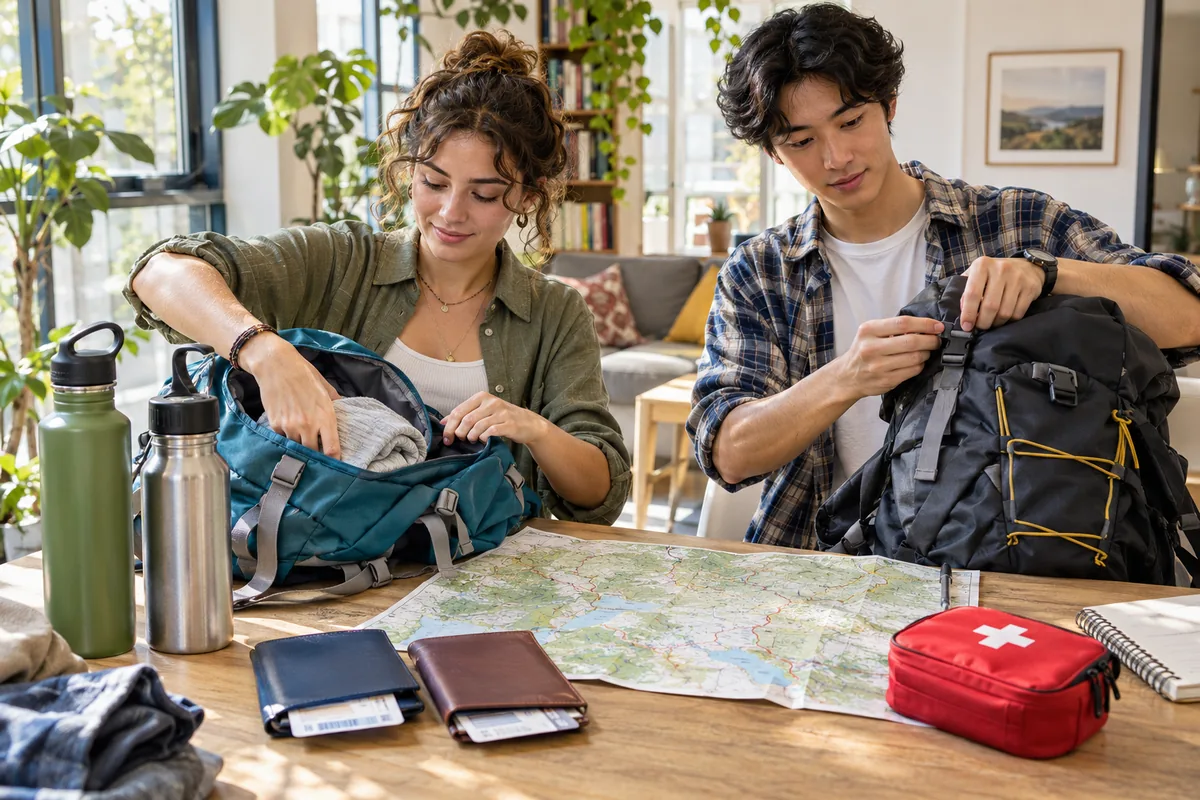
The exciting part of a semester abroad or a gap year is often the freedom to make new plans. A free weekend becomes a trip across a border. A classmate suggests a hike. A volunteer placement leads to a longer stay in a community you had never heard of before leaving Canada. That flexibility is part of the appeal, but it also means the original flight booking may describe only a small part of the health preparation needed.
Student and gap-year travel health in Ajax should prepare you to make sensible decisions when plans change. It is not about predicting every place you will visit. It is about understanding your existing needs, the limits of your preparation and how to obtain advice before a new activity creates an exposure you have not considered.
This guide covers the practical questions worth settling before departure. Medical recommendations still need to reflect your health, destination and actual activities.
Plan for a range of travel, not one address
Start with the confirmed arrangements: the host institution, placement, accommodation and dates. Then list plausible side trips and activities. You do not need a fully booked calendar, but a clinician should know whether you might spend weekends in rural areas, work with animals, travel at altitude or cross into nearby countries.
Tell the clinician how independent the travel will be. A supervised university program with established medical contacts differs from months of solo backpacking. Neither description automatically determines the risk; it helps identify what support and preparation will be available.
The CDC’s guidance on study abroad and student travel emphasizes assessing the purpose of travel and activities, not only the destination. Ask which future changes should prompt another medical review so that flexibility comes with a clear way to update the plan.
Take ownership of your health information
If a parent has always managed appointments, use this trip to learn the details yourself. Know your medication names, allergies, vaccine history and relevant diagnoses. Keep copies of important records in a format you can open without asking someone at home to find a folder.
Make sure the clinic and pharmacy have your current contact details. Decide who may receive information on your behalf and how a trusted person can help in an emergency. Being independent does not mean avoiding support; it means arranging support deliberately.
Practise explaining your health needs in a short, clear way. If you have a serious allergy, asthma, diabetes or another condition, you should be able to describe the essentials to a roommate, program coordinator or clinician. A translated summary can help where language differences are likely.
Review routine vaccines and destination protection
Find documented immunization records early. School attendance or a memory of childhood injections does not establish exactly which doses were received. A clinician can review routine vaccines alongside travel-specific options and any requirements for the institution or placement.
Bring program forms to the appointment rather than mentioning them after the visit. Some placements require documentation that differs from a general travel recommendation. Allow time for records to be obtained and for any needed follow-up.
Canada’s travel vaccine guidance recommends preparation around six weeks before departure where possible. For a long trip, starting earlier can create room for multiple appointments and coordination with a prescriber. If departure is closer, seek advice anyway and be clear about what can realistically be completed.
Make prescription continuity a real arrangement
A semester abroad can outlast the supply normally dispensed at home. Discuss the duration with the prescriber and pharmacist, then check official destination rules for the medicine and quantity. This is especially important for products that may be controlled or restricted internationally.
Do not assume a Canadian prescription can be filled by any pharmacy overseas. If treatment will need renewal, identify a legitimate local clinician and understand the appointment process, costs and records required. Include any travel between countries in the legal and logistical checks.
Keep medicines labelled and accessible, with a list of generic names and instructions. The Government of Canada’s medication advice explains why checking restrictions and supply before departure matters. Avoid arranging the entire trip around the hope that someone can mail another bottle later.
Budget for health before the optional extras
Set aside money for prevention, insurance, regular treatment and possible medical visits. A travel budget that includes every excursion but no way to pay for a clinic visit leaves an avoidable gap. Ask about costs early so that decisions are made with accurate information.
If a school provides insurance, read the actual policy and confirm when it starts and ends. Personal travel before or after the academic term may fall outside the program dates. Adventure activities, unpaid placements and pre-existing conditions may also need specific clarification.
Keep an emergency payment method separate from everyday spending. Know how the insurer’s assistance process works and whether a provider may request payment first. A parent or friend offering financial help is useful only if there is a practical way to access it when needed.
Prepare for the ordinary stress of a new place
Excitement and homesickness can occur in the same week. New social expectations, unfamiliar food, academic pressure and disrupted sleep may affect mood even when the destination is enjoyable. Plan a few familiar routines that can travel with you, such as regular meals, exercise or a weekly call with someone trusted.
If you already receive mental health care, discuss continuity before leaving. Ask whether remote appointments are possible from the destination and what happens if local support is needed. Do not assume an existing provider can legally or practically offer every service across borders.
Canada’s mental health and travel guidance describes how changes in routine and culture can affect wellbeing. Seek help when distress is persistent, overwhelming or affects safety and daily functioning. An emergency mental health crisis requires local urgent support, not waiting for the next scheduled call home.
Decide your boundaries before social pressure appears
Think ahead about transport after nights out, alcohol, drugs, sexual health and activities that may be suggested spontaneously. It is easier to choose boundaries when rested than when everyone else has already agreed to a risky plan.
Discuss contraception, condoms, sexually transmitted infection prevention and any relevant medication with a clinician before departure. Ask where confidential care can be obtained at the destination. Laws, availability and services differ, so do not rely on assumptions based on Ontario.
For nights out, keep a way to return independently and a contact who knows where you are. Avoid leaving decisions about safety entirely to someone you have just met. If an exposure, assault or other urgent concern occurs, seek medical help promptly because some care is time-sensitive.
Treat volunteering and placements as work with exposures
Ask the organizer exactly what tasks you will perform. “Community volunteering” can mean teaching, construction, health care, animal handling or outdoor work, each with different preparation needs. Request information about training, supervision, protective equipment and how injuries are managed.
Do not undertake medical procedures or other tasks beyond your training because a placement seems informal. If blood, needles or animals may be involved, discuss the exposure plan in advance. Know whom to contact and where to go immediately after an injury.
A reputable organizer should be able to describe the work and support arrangements clearly. If the answers remain vague, bring that uncertainty into the travel consultation and reconsider participation until the practical details are understood. Good intentions do not remove the need for appropriate preparation.
Make food, insects and minor illness manageable
Choose a compact kit that fits the route and your ability to use it. Ask about oral rehydration supplies, wound care, repellent and any individually recommended medicines. Carrying a product is useful only if you know what it is for and when it is insufficient.
Plan safe food and water choices around everyday routines, including hostels, shared kitchens and long bus rides. For insect protection, follow product labels and use the clothing or sleeping arrangements recommended for the destination. If malaria medication is prescribed, understand the full schedule and keep reminders active after returning when required.
Know which symptoms require prompt care. Fever after exposure in a malaria-risk area, severe dehydration or breathing difficulty should not become a hostel debate about whether someone else had the same problem. Tell the treating clinician where you have travelled.
An animal bite or scratch also needs prompt assessment for possible rabies exposure, even when the wound looks minor. Wash the area thoroughly with soap and water and seek medical help without waiting until you return home. Prior rabies vaccination does not remove the need for assessment and further treatment after a potential exposure. Canada’s rabies prevention guidance explains why the appearance of a wound cannot settle that decision.
Create a way to update the plan
Before adding a new country or remote activity, check official destination advice and consider whether the original medical preparation still applies. A spontaneous weekend in a nearby city may be simple; a remote trek or animal project may need additional planning.
Keep a shared itinerary current enough that someone trusted knows the main route. Agree on a check-in pattern and what to do after a missed contact. This can be brief and flexible without becoming constant surveillance.
Store key details offline: insurance assistance, local emergency numbers, accommodation and essential medical information. Test access without mobile data before leaving. A phone full of useful links is less helpful when every page needs a connection you do not have.
Bring experience home with the records
Keep documentation of significant illness, injuries and treatment abroad. If you need care after returning to Ajax, mention the travel history at the start, including side trips and volunteer activities. Ask about follow-up based on actual exposures rather than assuming every long-term traveller needs the same tests.
Review what you learned about managing your health independently. Knowing how to obtain a refill, explain an allergy or ask for help is useful long after the gap year ends. Record practical improvements for the next trip while they are still fresh.
For student and gap-year travel health in Ajax, book a consultation with the confirmed route and likely possibilities. A good travel health plan should make room for independence while giving you clear tools for the moments when travel becomes unpredictable.