
July 27, 2025 · 9 min read
Safe Drinking Water for Travel in Ajax: Choose a Reliable Plan
Plan safe drinking water before leaving Ajax, with clear guidance on bottled supplies, treatment limits, clean storage and everyday decisions during travel.
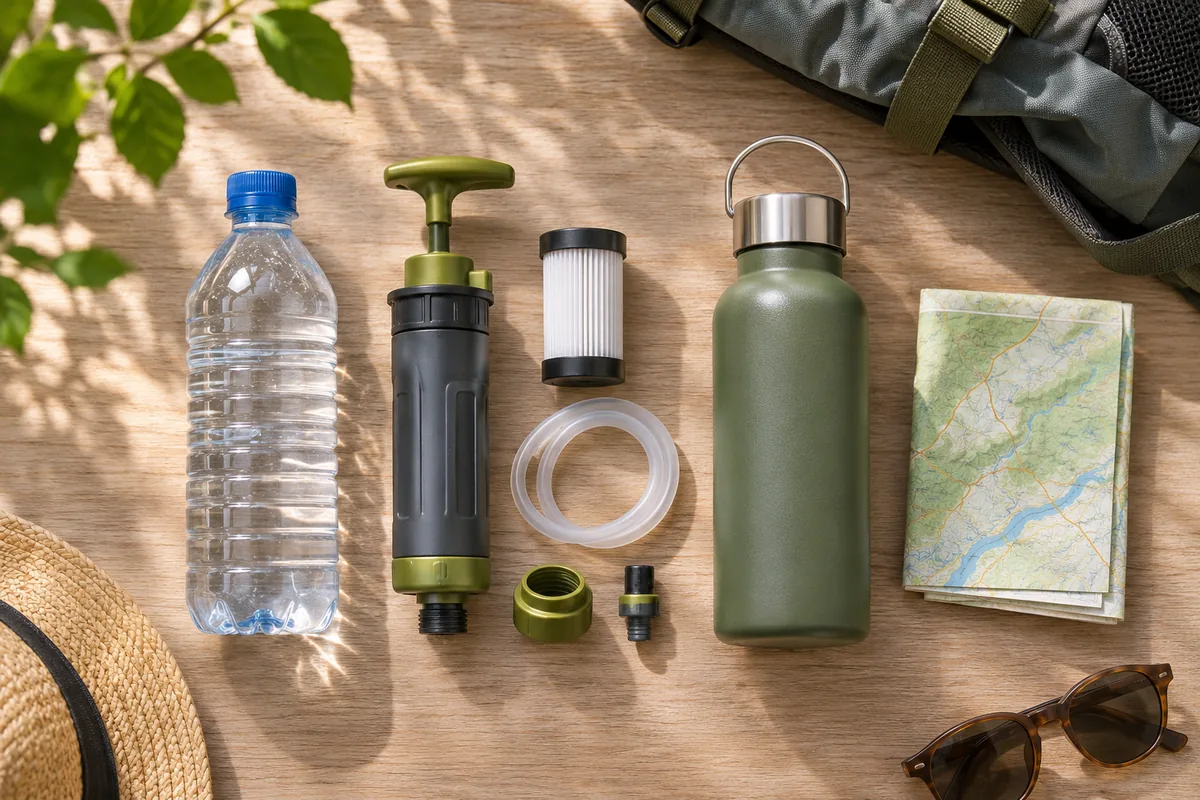
The first water decision on a trip often happens when you are tired. You arrive late, open the bathroom tap, and wonder whether you can fill the bottle beside your bed. By then, the shops may be closed and the person who knows the building’s water supply may have gone home. A modest amount of preparation in Ajax can prevent that uncertainty from becoming your nightly routine.
Safe drinking water for travel in Ajax means choosing an approach that fits the places where you will actually sleep, eat, and spend your days. A city hotel, a rural family home, and a guided trek may require different arrangements within the same holiday. Buying an impressive filter is only one possible step. Understanding what comes out of it, how you will carry it, and where tomorrow’s supply will come from matters just as much.
Map the ordinary moments when you need water
Start with one typical day rather than an equipment catalogue. Think about brushing your teeth, taking morning medicine, filling a walking bottle, ordering lunch, and making a drink before bed. Include water used for children’s drinks, food preparation, and any medical equipment with its own water requirements. These uses are easy to overlook when the planning conversation focuses only on how much you drink during sightseeing.
Ask each accommodation a specific question: what water do guests use for drinking, and where is it obtained? “We have running water” does not answer that question. If a host provides filtered water, ask how the system is maintained and whether the supply is intended for drinking. You do not need to inspect someone’s plumbing yourself; you need enough reliable information to select a practical alternative when the answer remains uncertain.
Canada’s food and water advice for travellers recommends safely treated water or commercially sealed bottled water when water safety is uncertain. It also addresses ice and toothbrushing, which can otherwise bypass an otherwise careful drinking routine. Save the page before departure so that everyone sharing accommodation can work from the same advice.
Build a bottled-water plan that survives arrival day
If commercially sealed bottled water will be your main supply, arrange some for the transfer and first night. Check that the seal is intact before opening it. Keep a reserve in your room and replace it before you finish the last bottle. This sounds ordinary, but a small reserve makes the difference between choosing a safe source and accepting whatever happens to be available after an unexpected delay.
Consider how you will move water between places. A large container may work well at an apartment but be awkward on a bus or steep walking route. A narrow bottle may be easier to carry but harder to clean thoroughly. Choose containers you can manage with your luggage and any mobility limitations. Where safe refill stations are reliably available, they can reduce disposable packaging without requiring you to guess about unfamiliar taps.
Discuss the arrangement with companions. If one person buys the group’s water, give another person responsibility for checking the supply before a long excursion. For a family, keep drinking water somewhere children can recognize and reach appropriately. Avoid putting untreated water into identical bottles beside treated water. A clear separation is more dependable than expecting everyone to remember which bottle was filled most recently.
Read a filter’s claims carefully
The word “filter” describes many different products. Some improve taste; others remove particular microorganisms; some combine filtration with additional treatment. A pitcher designed for a household kitchen is not automatically suitable for uncertain water during travel. Read the exact model’s instructions and performance claims, including the organisms it addresses, rather than relying on a general advertisement or a photograph of someone using it beside a stream.
The CDC’s traveller water-disinfection guidance explains an important limitation: many portable microfilters remove bacteria and parasites but do not reliably remove viruses. Chlorine and iodine also have limitations against Cryptosporidium. Depending on the source and equipment, an appropriate combination of methods may be needed. Do not assume that a clear result, pleasant taste, or a single treatment step proves the water is safe.
Before leaving Ajax, assemble the device exactly as you would abroad. Identify which parts contact untreated water and which must stay clean. Practise cleaning and maintenance according to the instructions, and check whether replacement cartridges or batteries will be available. A device that is difficult to operate when you have a full sink and good lighting may become impractical when you are tired, outdoors, or travelling with children.
Understand what boiling can and cannot do
Boiling is an established method for killing disease-causing microorganisms when performed correctly. The CDC’s emergency water instructions describe bringing clear water to a rolling boil for one minute, with three minutes advised above 6,500 feet. Follow applicable local advice and account for altitude. Let the water cool safely in a clean, covered container before drinking it.
This method requires more than possession of a kettle. Confirm that you have a safe heat source, suitable container, enough time, and a clean place to cool the water. Do not assume every accommodation allows portable heating equipment. If you are staying in a shared room, consider whether the process can be completed without creating a burn hazard or leaving hot water where a child may reach it.
Boiling does not solve chemical contamination. Fuel, certain toxins, and other harmful chemicals require a different response and usually a different water source. The CDC’s overview of household water treatment distinguishes microbial treatment from chemical safety. If flooding, industrial contamination, or an official warning affects a supply, follow local health instructions instead of trying to make the water acceptable with ordinary travel equipment.
Give treatment enough time and the right conditions
Chemical treatment products have instructions for a reason. Water temperature, cloudiness, product type, and contact time can affect performance. Keep the original packaging, check the expiry date, and use the directions for the exact product you have. A remembered number from a different tablet or a friend’s bottle of drops is not a safe substitute. Avoid improvising concentrated chemical mixtures from internet summaries.
If a treatment takes considerable time, build that delay into your day. Prepare the next supply before the current one runs out, and label containers that are still being treated. Consider whether the chosen method is appropriate for everyone who will drink it, including pregnant travellers, young children, and people with thyroid conditions or other medical concerns. Ask a qualified clinician or pharmacist about those circumstances before buying supplies.
Work out the practical capacity of the method as well. A small device may be convenient for one person’s afternoon walk but cumbersome for a household preparing several meals. Consider how many containers you will need, where untreated water will wait, and who will manage the process. If you are the only person who understands the equipment, show a companion how it works before relying on it for the group’s entire supply.
For a guided trek, ask whether the operator treats water centrally or expects each traveller to manage their own. Clarify what is supplied at camps and whether you need a separate bottle for the walking hours. These questions can reveal a gap between the equipment list and the daily arrangement. If the operator supplies treated water only at breakfast and dinner, you need enough safe carrying capacity for the period between those stops, plus a plan for delays. Ask where that supply will be carried and who can help if a bottle breaks or leaks. A written equipment list is most useful when the guide explains how every item will be used during an ordinary day on the route.
Ultraviolet devices also depend on correct operation and suitable water conditions. Batteries, clear water, and the manufacturer’s complete treatment cycle all matter. Plan a backup for equipment failure instead of packing two devices that depend on the same unavailable charging source. A backup should be something you know how to use and can realistically obtain or carry at the destination.
Keep treated water clean afterwards
Treatment is followed by storage, pouring, and drinking. Any of those steps can introduce contamination again. Use clean containers with secure closures and avoid dipping cups or hands into a shared supply. Keep bottle caps off dirty surfaces, and separate equipment used to collect untreated water from the part you drink through. Follow the manufacturer’s cleaning directions for mouthpieces, hoses, and reservoirs.
For an apartment stay, decide where the clean-water area will be. A covered container on a stable surface is easier to manage than several unlabelled vessels around the kitchen. Make sure everyone understands which supply is suitable for preparing food. If a cleaner or host refills containers, agree on the source in advance so that a helpful refill does not unintentionally change the system you arranged.
People using contact lenses, nasal-rinsing equipment, or other health devices should follow the device’s specific instructions. Drinking-water advice does not automatically establish that water is suitable for every medical purpose. Bring the recommended products where feasible and discuss alternatives with the professional who manages the equipment. This is particularly useful when a remote stay makes replacement supplies difficult to find.
Read the whole local advisory
A boil-water notice, a do-not-drink notice, and a do-not-use notice are different instructions. The CDC’s explanation of drinking-water advisories shows why the distinction matters: some contamination is not corrected by boiling, and certain notices restrict contact beyond drinking. Read the actual advisory, including its location and current status, instead of relying on a short message forwarded by another guest.
At a hotel, ask how the notice affects the kitchen, ice machines, and room supply. On a guided trip, ask who obtains updates and what the replacement-water arrangement will be. Keep enough flexibility to change a rural overnight stay if reliable supplies cannot be secured. A prepaid booking is not evidence that local infrastructure remains suitable after a major disruption.
For independent travel, save the relevant local authority’s contact information and identify where you can buy a replacement supply. The CDC’s guide to finding clean water during emergencies is useful background, but destination instructions should guide a specific incident. Avoid collecting water from unfamiliar sources simply because other travellers appear to be using them.
Connect water planning with the rest of the trip
Water precautions work alongside hand hygiene and thoughtful food choices. They do not make every meal safe or remove the possibility of illness. Carry oral rehydration supplies if advised, know where medical care is available, and read our travellers’ diarrhea guidance when preparing for the trip. Illness with dehydration, blood in stool, significant fever, or worsening symptoms needs appropriate medical attention rather than repeated changes of water brand.
Bring your proposed water method to a travel health consultation if your trip includes remote travel, complex health needs, or prolonged stays with uncertain infrastructure. The useful questions are concrete: where you will obtain water, what your equipment handles, who will use it, and what happens when the main method fails. Leaving Ajax with those answers makes daily decisions easier and keeps a basic necessity from dominating the holiday.