
April 13, 2025 · 8 min read
Safari Travel Health in Ajax: Prepare for Parks, Camps and Transfers
Plan a safari from Ajax with route-specific vaccine advice, insect precautions, camp questions, animal safety and practical arrangements for remote care.
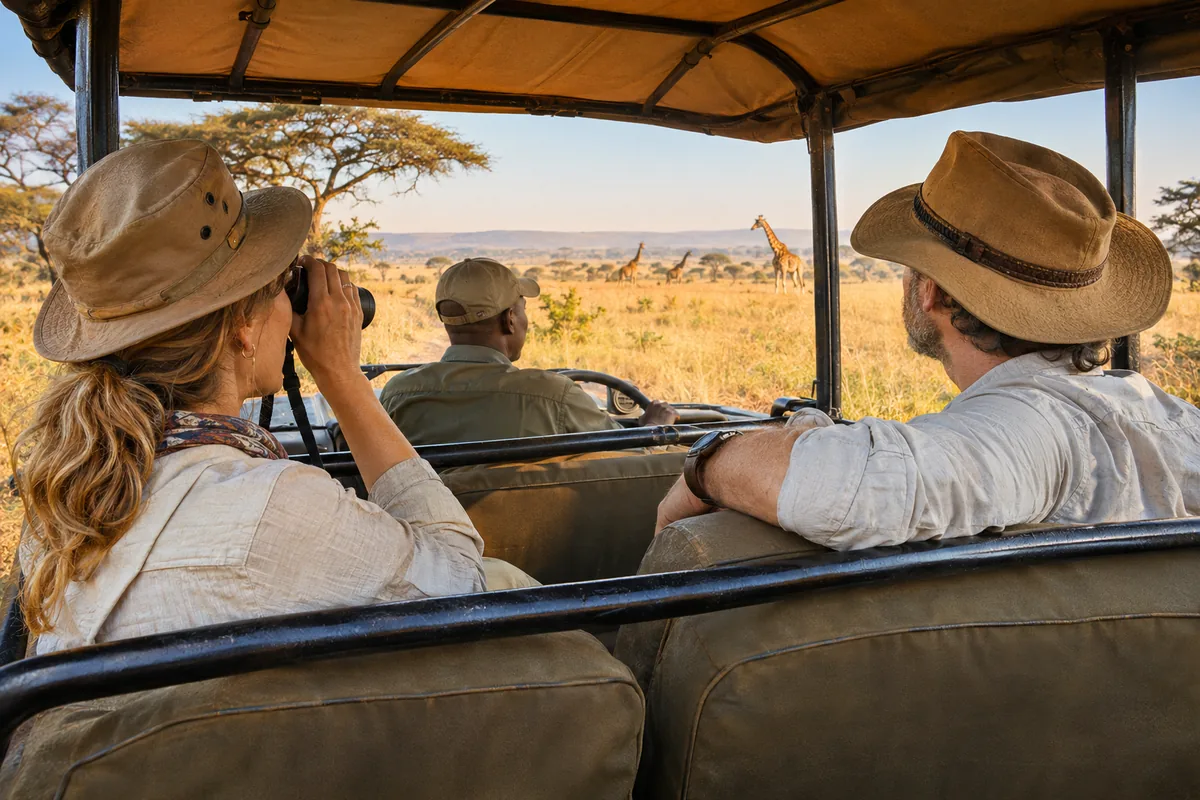
Safari planning often starts with wildlife: which parks, which season, and which animals you hope to see. Health planning becomes more useful when it starts with the spaces between those sightings. There may be a long road transfer, an open-sided camp, an early departure before breakfast, or several hours beyond dependable mobile coverage. These details shape what you need to prepare.
For travellers arranging safari travel health in Ajax, a country name is only the beginning of the conversation. Two trips within the same country can involve different elevations, insect exposure, accommodation, and access to care. Bring the route, park names, camp locations, and connecting flights to your consultation. The more concrete the itinerary, the more useful the advice can be.
Ask the operator for a complete route
Request a day-by-day itinerary that includes nights before and after the safari. Add beach stays, city visits, and travel through neighbouring countries. A short add-on can change the medical discussion, particularly if it introduces a different climate or activity. Airport transit also belongs on the route when reviewing entry requirements.
Ask how long transfers actually take and how often breaks are possible. A distance that looks modest on a map may involve rough roads and a slow journey. Travellers with back pain, mobility needs, urinary concerns, or medication schedules should know what an ordinary day entails before committing to the pace.
Write down which details are confirmed and which remain flexible. If the operator may substitute camps, ask whether they are in the same region and offer comparable protection and medical access. A flexible itinerary is easier to assess when you understand the limits of that flexibility.
Separate vaccine advice from border documentation
Review routine vaccinations and any travel vaccines recommended for the route. Recommendations depend on your health history and exposure, while entry rules depend on destination policies and travel history. A vaccine can be recommended even when no certificate is required, and a document requirement can apply because of where you travelled previously.
Yellow fever questions are especially route-specific. Do not assume that every safari requires the vaccine or that no requirement applies because your first flight leaves Canada. Bring the entire sequence of countries and transits to a clinician, then verify current official requirements for departure. Your individual suitability for vaccination also matters.
Use the Government of Canada’s pre-travel health planning guidance as a starting point and review your records before the appointment. If a series or certificate is needed, time can be important. Even when departure is close, seek advice rather than assuming nothing useful can be done.
Discuss malaria using camp locations
Malaria risk is not uniform across every landscape in a country. Park location, altitude, season, and the time spent in an area can influence recommendations. A clinician should assess whether preventive medication is appropriate and, if so, choose it using your health history and other medicines. Avoid relying on another traveller’s prescription or a lodge employee’s personal habits.
If medication is prescribed, understand when to begin, how to take it, what to do about a missed dose, and how long to continue after leaving the risk area. Put the instructions in writing and carry sufficient supplies. The plan should cover the final camp and any onward travel, not just the first week.
Medication does not replace insect precautions. Make repellent, suitable clothing, and protected sleeping arrangements part of the routine even when the camp is comfortable and well managed. A luxury room can still be located in an area where disease-carrying mosquitoes are present.
Build insect protection around safari hours
Early drives, outdoor meals, and evenings around camp create repeated opportunities for exposure. Pack a repellent approved for the users in your party and follow its label. Long sleeves and trousers can be practical for cool mornings as well as reducing exposed skin. Keep supplies in your day bag rather than locked in luggage during a drive.
Ask camps about screens, mosquito nets, and how sleeping areas are protected. Inspect the room or tent when you arrive and raise problems before bedtime. If netting is needed, use it correctly and check for tears. Canada’s insect bite prevention advice explains the role of several complementary measures.
Children may need help maintaining the routine when everyone is excited and the vehicle is ready to leave. Assign an adult to check clothing and repellent rather than assuming it has happened. Keep enough product for the trip and read age restrictions before buying a family supply.
Respect distance from every animal
Follow the guide’s instructions about staying in the vehicle, moving around camp, and approaching viewing areas. Wildlife behaviour is not made predictable by a previous guest’s photograph. Do not feed animals or encourage them closer for a better image. A safe viewing distance is part of the experience, not an obstacle to it.
The animal exposure discussion also includes dogs, cats, monkeys, and other mammals encountered at lodges or in towns. Avoid touching or feeding them. Children may approach animals more readily and may not report a small scratch unless adults ask. Discuss simple rules before the journey and reinforce them without turning each encounter into a frightening event.
If a bite, scratch, or possible rabies exposure occurs, wash the area thoroughly with soap and running water and seek urgent medical care. Prior rabies vaccination does not remove the need for assessment and further treatment after exposure. CDC advice on avoiding animal exposures
Ask about water before swimming or wading
A river or lake may look inviting after a dusty drive, but appearance cannot establish whether it is safe. In areas where schistosomiasis occurs, contact with freshwater can transmit infection. Avoid swimming or wading in potentially affected freshwater and discuss the route with your clinician. Properly maintained pools are a different setting from natural lakes and rivers.
Do not assume a popular tourist activity has no health risks because equipment is provided. Ask what water exposure is involved and whether a safer alternative exists. CDC’s schistosomiasis guidance explains why freshwater contact deserves a specific conversation before travel.
Tell a clinician if an exposure happens, even if you feel well afterward. Keep the location and date in your trip notes. That record is useful if testing or follow-up is advised later and avoids trying to reconstruct a brief stop from photographs months after returning home.
Prepare for heat, dust, and a long seated day
Bring a hat, sunglasses, sunscreen, and clothing that can handle changes between cool mornings and hot afternoons. Keep drinking water accessible during drives and ask how it is supplied. Shade may be limited at viewing stops, so do not plan sun protection around the assumption that you can simply step indoors.
Travellers with asthma or other respiratory conditions should discuss dust exposure and carry their prescribed medication where it can be reached. Let the operator know about needs that affect seating or transfers. A medicine packed in a bag strapped to the roof is not readily available when symptoms develop.
Long periods in a vehicle can be tiring even when the scenery is remarkable. Ask about breaks, seatbelts, and the possibility of adjusting the pace. Avoid standing or leaning outside in ways the guide prohibits. Safety during transport matters just as much as the moments when animals are in view.
Make food arrangements clear
Tell the operator about serious allergies and dietary requirements well before departure. Ask how information reaches each camp and how cross-contact concerns are managed. Bring any prescribed emergency medication and an individualized action plan. A verbal assurance from a booking agent may not answer the practical questions for a remote kitchen.
For packed lunches and long transfers, ask when food is prepared and how it is stored. Carry suitable backup snacks when appropriate so a delayed meal does not create a medical problem. Follow safe food and water advice for the destination without assuming that every roadside stop offers the same conditions as a lodge.
If vomiting or diarrhea develops, tell the guide early. Continuing into a more remote section while becoming dehydrated can complicate access to care. Ask your clinician before departure which symptoms require assessment and whether any self-treatment plan is appropriate for you.
Investigate the evacuation plan before paying the balance
Ask the operator where medical care is available, how emergencies are communicated, and how a traveller would be transported. “We can arrange evacuation” should lead to details: who contacts whom, how weather affects the plan, and whether a vehicle or aircraft can reach the camp. The answers help you judge whether the trip suits your needs.
Check insurance for the actual activities, remote locations, evacuation, and existing medical conditions. Keep the assistance number and policy details offline. The Government of Canada’s adventure travel health and safety advice provides useful questions for evaluating arrangements beyond the main tourist centres.
Make sure a companion knows where your medical summary and passport copies are stored. If you travel alone, ask the operator how emergency contacts are recorded. Simple information sharing can reduce confusion when the person who normally manages the bookings is the one who needs help.
Keep the plan active after the last game drive
Continue prescribed malaria prevention for the full period directed by your clinician. Fever during or after travel to a malaria-risk area requires immediate medical assessment, even if you took medication and had few noticeable bites. Tell the clinician your exact route and dates; do not wait for the illness to resolve simply because the holiday is over. CDC guidance on malaria symptoms after travel
When you book a travel health appointment in Ajax, bring the safari itinerary and the questions your operator has answered. Mark anything still uncertain, such as a possible camp change or optional freshwater activity. Good preparation leaves you with a clear plan for ordinary days and a dependable response when the day does not go as expected.