
August 5, 2025 · 9 min read
Respiratory Infection Prevention for Travel in Ajax: A Practical Approach
Prepare for healthier travel from Ajax with practical respiratory precautions for airports, shared rooms, group activities and unexpected illness abroad.
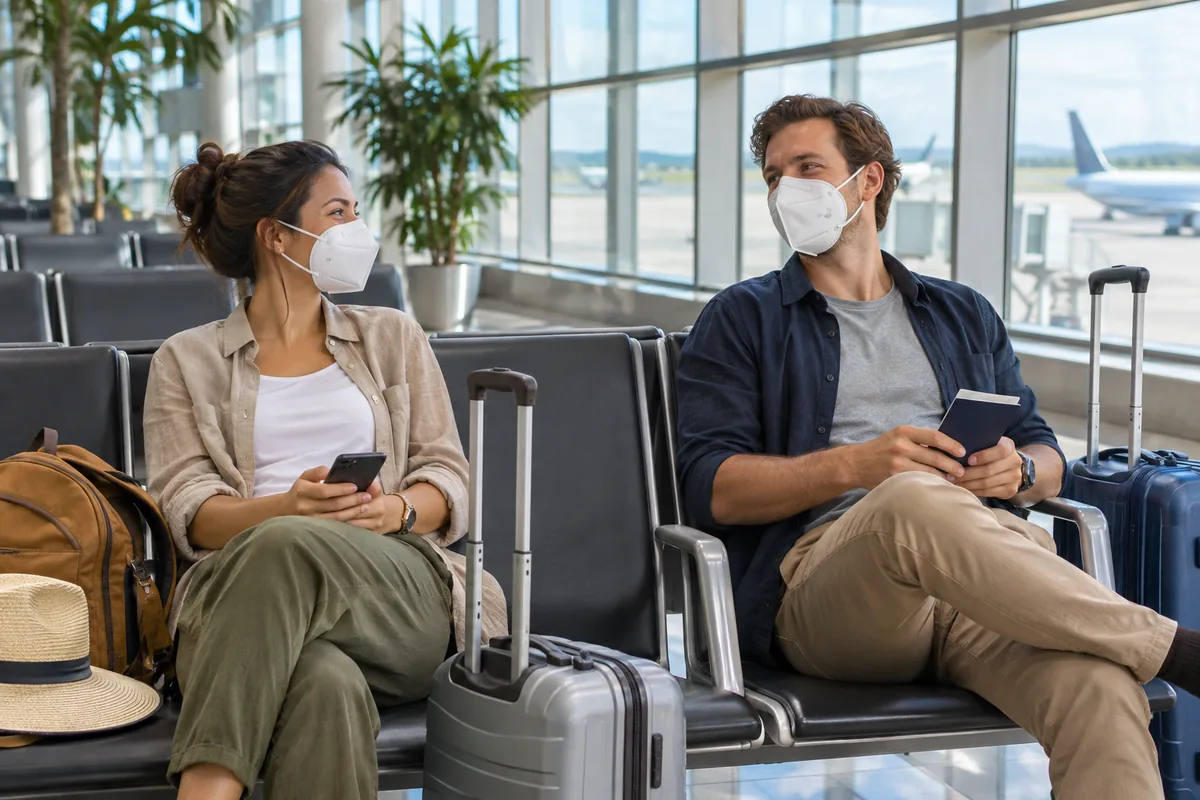
A sore throat on the second day of a trip can change more than the sightseeing plan. It may affect a room shared with relatives, a visit to an older family member, or a group tour that leaves early the next morning. Planning for respiratory illness means thinking about those arrangements before anyone is unwell, when changing a booking or having a calm conversation is much easier.
Respiratory infection prevention for travel in Ajax combines several ordinary decisions: checking recommended vaccines, considering shared air, carrying suitable masks, cleaning hands, and knowing what to do if symptoms begin. No single step prevents every infection. The aim is a workable routine that fits your health needs and the people you will be spending time with, from the ride to the airport through the first days back home.
Look at the people and settings on your trip
Start by identifying where you will spend extended time indoors with other people. Airport queues, buses, conference rooms, shared accommodation, religious gatherings, and family celebrations may all matter. A holiday with mostly outdoor activities can still include long indoor transfers. Write those parts down rather than assuming that the destination’s warm weather makes respiratory precautions irrelevant.
Consider who could be especially affected by an infection. You may be travelling with an infant, an older adult, someone who is pregnant, or a person with a chronic condition or reduced immune function. Their needs may change the group’s choices about rooms, gatherings, and early medical advice. Ask about preferences respectfully; do not assume that someone wants their health history discussed with the entire travelling party.
The Public Health Agency of Canada’s respiratory infection prevention guidance describes several measures that can be combined to reduce spread. Use that approach to choose a few practical habits for your trip. A plan that everyone understands is easier to maintain than a long list of supplies with no agreement about when they will be used.
Review vaccines with enough information to decide
Bring your vaccination record to an appropriate health appointment and describe the travel dates, destination, health conditions, and planned contacts. Ask which routine and seasonal vaccines are currently recommended for you under Canadian guidance. Recommendations can depend on age, medical history, previous doses, and the products available at the time, so a friend’s recent vaccine schedule may not match yours.
Seasonal timing can be confusing when travelling between hemispheres or spending months abroad. Explain the full itinerary, including changes of country and time spent in crowded settings. If your departure is close, ask what can still be arranged and whether any later doses need planning. Avoid assuming that a vaccination appointment immediately before boarding provides instant protection against every respiratory illness.
Vaccination does not replace the other decisions in this article. It belongs alongside attention to symptoms, ventilation, and exposure, especially when visiting someone at higher risk of severe illness. Our routine vaccine review guide can help you organize records before the appointment. Keep any updated record with your travel documents so that future advice is based on accurate dates.
Make masks comfortable enough to use properly
Choose a well-fitting, good-quality mask or respirator that covers your nose, mouth, and chin comfortably. Try it before the trip while speaking and walking, and check that it stays in place without constant adjustment. If glasses fog or straps hurt, explore a different fit before a long journey. Packing a model you cannot tolerate for more than a few minutes is unlikely to support the plan you intended.
Canada’s guidance on masks for respiratory infections discusses fit, quality, and situations where mask use can help reduce spread. Keep spare masks where you can reach them, and replace disposable masks that become wet, dirty, or damaged. Follow age and safety guidance for children and anyone who cannot use a mask safely.
Decide which settings matter most for you. A crowded indoor transfer, close contact with someone who is coughing, or a visit to a vulnerable relative may call for extra care. A companion can support the choice without turning it into a debate each time you enter a building. If a venue has its own requirements, check them in advance and carry appropriate supplies rather than relying on the reception desk.
Pay attention to shared air
Where there is a reasonable choice, outdoor meetings and less crowded spaces may reduce time spent sharing indoor air. In accommodation, ask whether windows open safely and whether ventilation systems are maintained. Opening a window is not suitable in every circumstance, including security concerns, severe outdoor pollution, or extreme temperatures. Choose the safest available arrangement for the setting rather than treating one tactic as universally appropriate.
The CDC’s cleaner-air guidance explains how ventilation and filtration can reduce concentrations of respiratory particles indoors. For a longer apartment stay, questions about air circulation may be worthwhile before booking. If you bring an air cleaner, understand its operating requirements and the room it is intended to serve; simply owning one does not establish that a crowded room has adequate clean air.
Think about waiting time as well as scheduled activities. If a group is gathering in a small lobby, you may be able to wait in a safe outdoor area and join when the transport arrives. At a restaurant, an outdoor table may fit the evening just as well as a cramped indoor corner. These decisions are often easier than trying to alter an entire itinerary after tickets have been purchased.
Treat the airport journey as one continuous trip
The trip includes the ride from Ajax, terminal queues, gate seating, boarding, the flight, baggage collection, and the transfer at the other end. A precaution used only during the hours in the air leaves out many close-contact settings. Keep masks and hand supplies in the bag that stays with you, and organize documents so that you are not unpacking everything in a crowded queue.
The CDC’s air-travel chapter notes that aircraft ventilation helps reduce airborne exposure but does not eliminate the effects of close proximity between passengers. This supports a balanced approach: use the available protections while recognizing that other parts of the journey also involve shared air. Avoid treating a ventilation statistic as a promise that infection cannot occur on a plane.
Allow enough time for necessary meals, medicine, and rest without creating a frantic transfer. If you need to remove a mask to eat or drink, look for a less crowded permitted space where practical. Do not skip essential hydration or prescribed treatment to maintain a rigid precaution. For complex health needs, plan those moments with a clinician and travelling companion before the travel day.
Keep hand hygiene simple and accessible
Wash hands with soap and water at useful moments, including before eating and after using the toilet, coughing, sneezing, or handling used tissues. Carry a suitable hand sanitizer for times when a sink is unavailable. A small bottle in an accessible pocket is more useful than a large supply in checked luggage. Follow the product directions and supervise children appropriately.
The CDC’s respiratory hygiene advice includes covering coughs and sneezes and cleaning hands. Build these habits into the travel routine without making every shared surface the centre of attention. Respiratory prevention also requires attention to air and close contact, so extensive surface wiping should not distract from the rest of the plan.
Pack tissues and a small waste bag for road or boat transfers where bins may be unavailable. If you are sharing accommodation, make basic supplies easy to find rather than hiding them in individual suitcases. A person who develops symptoms should be able to reach tissues, water, and a mask without repeatedly searching through everyone else’s belongings or moving between crowded common areas.
Agree on a response before someone becomes ill
Discuss what the group will do if a traveller develops fever, cough, or other respiratory symptoms. Identify who can help with meals, transport, and contacting care. If rooms are shared, consider how you could reduce close contact or arrange another sleeping space where feasible. Knowing the options beforehand can make an uncomfortable situation feel manageable rather than personally disruptive.
The CDC’s advice for people who are sick recommends staying away from others while ill and using additional precautions as appropriate. Follow the current local public health instructions, your clinician’s advice, and any transport requirements relevant to your situation. Different infections and settings can have different recommendations; a single calendar rule does not answer every travel decision.
Check booking flexibility while you are well. Find out how to postpone an excursion, extend a room, or change transport if necessary. Save the insurer’s assistance number and understand the information it needs before arranging non-emergency care. A plan that depends on everyone travelling while symptomatic because no alternative has been considered creates avoidable pressure at the worst time.
If you are staying with relatives, discuss the arrangement before arrival. Ask which room could be used if someone becomes ill and how meals could be managed with less close contact. Make the conversation mutual: a host may develop symptoms too. Agreeing on a practical response in advance helps prevent a request for distance or a changed visit from being misunderstood as a personal rejection.
Seek timely advice if your risk is higher
If you have a condition that increases the risk of complications, ask your usual clinician before departure what symptoms should trigger contact and where to seek care abroad. Discuss whether testing or early treatment may be relevant. Bring a current medication list, because interactions and other clinical details can affect treatment decisions. Do not assume that a medicine suitable for a companion is suitable for you.
Some antiviral treatments work best when started promptly after illness begins. The CDC’s influenza treatment information explains why early assessment can matter, especially for people at higher risk. Seek advice rather than waiting several days simply to see whether a scheduled tour is still possible. Antibiotics do not treat ordinary viral infections and should not be started from a leftover supply without assessment.
Difficulty breathing, chest pain, confusion, fainting, severe dehydration, or a significant deterioration requires urgent medical attention. Follow local emergency instructions and tell responders about relevant conditions and medicines. For children, use the child’s clinician’s guidance on concerning symptoms and thresholds for care. The immediate priority is appropriate assessment, not completing a test or contacting the tour company first.
Remember the people you will see after returning
Think ahead about the first few days back in Ajax. If you develop symptoms, reconsider close visits with people who may be vulnerable, inform relevant contacts, and follow current guidance. Returning from a trip does not make a cough less relevant simply because the flights are over. Equally, an uncomplicated journey does not require treating every ordinary sensation as evidence of infection.
Keep a brief record if illness develops: symptom onset, test results, medicines taken, places visited, and important exposures. Share that information with a clinician if needed. If you are uncertain whether a condition or complicated itinerary changes your prevention plan, arrange a travel health consultation before departure. The most useful outcome is a clear routine for the settings you will encounter and a realistic plan for getting help if the trip takes an unexpected turn.