
February 6, 2025 · 9 min read
Rabies Vaccination in Ajax: Animal Encounters and a Plan for Urgent Care
Prepare for rabies vaccination in Ajax with guidance on animal avoidance, remote travel, family safety and the urgent steps needed after a bite or scratch.
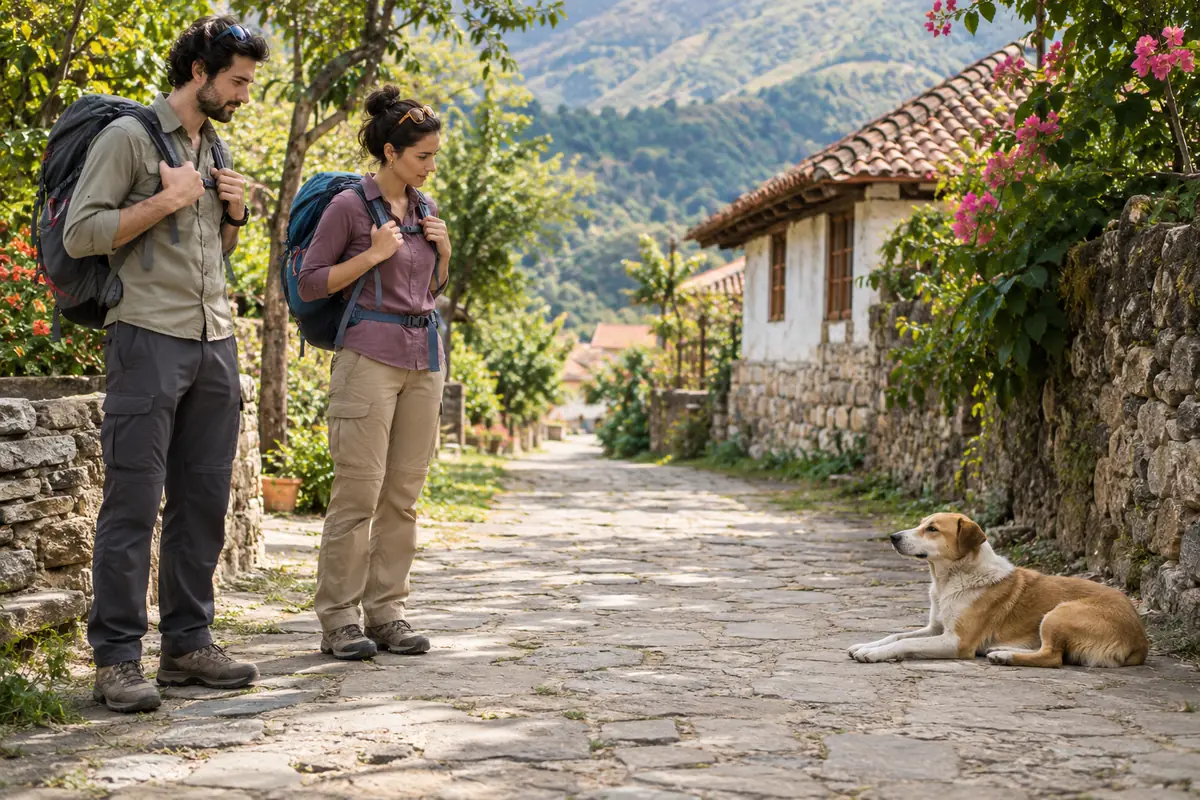
A monkey reaches for a snack, a puppy follows a child or a stray dog approaches a cyclist. Animal encounters can become part of a trip without anyone planning to visit a wildlife attraction. Before travelling, it is worth deciding how you will avoid contact and what you will do if a bite, scratch or other possible exposure occurs.
Rabies vaccination in Ajax is a discussion about both prevention and access to urgent care. A clinician considers your destination, activities, trip length, age and how quickly reliable treatment could be reached. The decision is especially important to discuss when an itinerary includes remote travel or likely animal contact.
One point should be clear from the beginning: vaccination before travel does not remove the need for urgent medical assessment after a possible rabies exposure. This article explains the planning conversation; it does not replace emergency care or prescribe a vaccine schedule.
Why rabies deserves an explicit plan
Rabies is a viral infection that affects the nervous system. It can be transmitted through the saliva of an infected mammal, usually through a bite, and some scratches or saliva contact with broken skin or mucous membranes can also be relevant. Once clinical illness develops, rabies is almost always fatal, but prompt care after exposure can prevent disease. The World Health Organization’s rabies fact sheet explains this critical distinction.
The urgency is not a reason to panic about every animal you see. It is a reason to avoid unnecessary contact and prepare a clear response. A small wound can matter, and waiting for symptoms is not a safe way to decide whether treatment is needed.
Tell every adult travelling with you what the plan is. If only one person understands the steps and that person is injured or unavailable, the rest of the group should still know how to act.
Start with the activities, not just the country
Explain what you will do each day as well as where you will sleep. Cycling, running, camping, animal-related work and visits to sites where animals approach tourists may all be relevant. Include volunteer placements and informal opportunities to help at an animal shelter.
A longer stay can bring repeated opportunities for exposure, while a remote itinerary can make treatment harder to obtain. Those are different issues, and both deserve discussion. A traveller spending a month near good medical services may have a different plan from someone taking a shorter trip several days from reliable care.
If you are still choosing activities, bring that uncertainty to the appointment. It may be easier to change an excursion before booking than to manage a preventable exposure after arrival.
Understand what pre-travel vaccination changes
Pre-exposure vaccination prepares the immune system before an incident. It can simplify the medical treatment required after a possible exposure, but it does not make animal bites harmless and does not mean you can skip post-exposure care. Other wound concerns, including bacterial infection and tetanus protection, may also need assessment.
The Canadian Immunization Guide’s rabies vaccine chapter distinguishes preventive vaccination from treatment after exposure. Your clinician should explain which plan applies to you and what documents you should carry.
If you have had rabies vaccination before, provide the full record. Dates, products and the circumstances of previous treatment are important. Do not assume that a vague recollection of injections after a childhood bite establishes the same status as a documented completed course.
Access to care is a practical question
“There is a hospital nearby” is not enough information for remote travel planning. Discuss how you would reach care, whether transport operates at night and how your insurer assists with locating appropriate treatment. You may need to travel farther than expected to obtain the right care.
Ask about access to the full treatment a clinician might recommend, not simply whether a facility gives injections. Rabies immunoglobulin is a separate product from rabies vaccine, and some exposed people need both. Prior vaccination and immune health affect that decision. You should not try to choose the products yourself; the practical task is to reach a provider who can assess the exposure and arrange the appropriate treatment promptly.
For an Ajax family organizing a multi-stop trip, consider the most isolated part of the itinerary first. A treatment plan that works in the capital city may not work on an island, at a rural lodge or during a long overland journey.
Keep the insurer’s assistance number available offline. Agree on who can rearrange transport and accommodation if medical care interrupts the trip. These arrangements are not a prediction that something will go wrong; they reduce confusion if a decision must be made quickly.
Avoid contact even with apparently friendly animals
Do not feed, pet or handle unfamiliar mammals while travelling. A calm or friendly appearance does not establish that an animal is free of infection. Avoid posing for photographs that require holding animals or letting them climb onto you.
Keep food secured around animals and follow sensible distance precautions at tourist sites. If an activity is built around close contact, consider whether you can enjoy the location without participating in that part. A photo taken from a distance can preserve the experience without deliberately creating exposure.
Discuss animal avoidance with tour operators before an excursion if necessary. Do not let a guide’s confidence substitute for your health plan. You are allowed to decline an encounter even when other visitors are taking part.
Give children clear instructions before departure
Children may see a small animal as a playmate and may not tell an adult about a minor scratch. Explain before the trip that they should not touch unfamiliar animals and should report every bite, scratch or lick on broken skin immediately. Emphasize that they will not be in trouble.
Practice a simple response together: move away safely, tell an adult and get help. Avoid frightening descriptions that make a child hide an incident. The important result is prompt reporting and adult action.
Parents should also plan supervision around animals at markets, parks, temples and accommodation. A written rule cannot replace attention in a busy setting. Tell grandparents, babysitters and other accompanying adults that the same precautions apply throughout the trip.
If an exposure happens, act promptly
Move to safety and wash the affected area thoroughly with soap and running water for at least fifteen minutes. Seek urgent medical assessment immediately, even if the wound seems small or you were vaccinated before travel. If soap or ideal facilities are not immediately available, begin flushing and obtain proper care as quickly as possible.
If saliva has entered an eye or the mouth, rinse with plenty of water and obtain urgent advice; do not put soap into the eye. Québec’s rabies exposure advice distinguishes rinsing these areas from washing a skin wound. Tell the clinician about that contact even when there is no skin wound to show. The description of the exposure is part of the assessment, alongside anything visible on examination.
Do not wait to see whether symptoms develop or delay treatment until you return to Canada. Do not try to capture the animal yourself. Report what happened, the location, the animal involved and the time of the incident to the treating professional.
Canada’s rabies information for health professionals describes assessment and prevention after exposure. The appropriate treatment depends on the exposure and your prior vaccination, so it must be determined by a clinician rather than improvised from a travel checklist.
Bat contact also needs professional advice
Bats require particular care because contact may not resemble an obvious dog bite. Avoid handling bats, including animals that appear injured or dead. If there has been direct contact or uncertainty involving a child or someone unable to describe an encounter reliably, seek prompt medical advice.
Explain exactly what occurred rather than deciding that no visible mark means there was no concern. The clinician or public health team can assess the circumstances. Advice may depend on details that are easy to overlook in a stressful moment.
If bats enter accommodation, keep people away and ask for appropriate local assistance. Do not attempt to resolve the situation by picking up an animal with a towel or moving it by hand.
Make an interruption plan before an excursion
Before a remote excursion, know who can arrange transport if someone needs care. A tour leader may need to contact a vehicle, boat or accommodation provider, while another traveller calls the insurer. Agreeing on those roles beforehand avoids everyone assuming that someone else is handling the next step.
Keep enough flexibility in the itinerary to act on medical advice. Do not let a nonrefundable activity, a group timetable or concern about inconveniencing friends become the reason to postpone assessment. If treatment requires changing the trip, ask for documentation for the insurer, but prioritize care over paperwork. The same principle applies whether the person exposed is a child, an adult or someone already vaccinated.
Records matter when treatment crosses borders
If you receive care abroad, request documentation of every product administered, the dates, the route of administration and the provider’s contact details. Photograph packaging or records if the treating facility agrees and doing so does not delay treatment. Ask for a written plan for the next step.
Contact a Canadian health professional promptly when returning if follow-up is needed or if the treatment record is unclear. Do not independently restart, stop or combine courses because two providers used different terminology.
Keep documents with you during travel, not only in checked baggage. If you need another appointment in a different city, accurate records help the next clinician assess what has already been done.
Plan vaccination around your health and departure
Provide your medication list, allergy history and any immune condition. Mention pregnancy and planned treatment that could affect immune function. A clinician may need to coordinate with your usual provider, and this is easier when the conversation begins early.
Do not assume every member of a group has the same recommendation or schedule. A child, an adult with previous documented vaccination and someone receiving immune-suppressing treatment may need different assessments. Ask for individual written instructions when several people are seen together.
The Government of Canada’s pre-travel vaccination guidance recommends arranging a health consultation about six weeks before departure and still seeking advice when time is short. Use that window to clarify both vaccination and the practical emergency plan.
Leave the appointment able to explain the plan
Before finishing your visit, make sure you can describe what you will avoid, what vaccination is recommended, what documentation to carry and what to do after exposure. Ask the clinician to correct any uncertainty. The phrase “I have had the rabies vaccine” should never become a reason to postpone urgent care.
You can discuss rabies prevention through a travel consultation in Ajax. Bring the complete itinerary, planned activities and previous vaccine records. Review the vaccination information and request an appointment early enough to organize the recommended plan.
The most useful preparation combines a careful vaccine decision, distance from unfamiliar animals and a response everyone in the travel group understands. That preparation remains valuable whether your trip includes a busy city, a remote trail or an unplanned encounter outside your accommodation.