
April 4, 2025 · 9 min read
Mosquito Bite Prevention in Ajax: Prepare for Travel Abroad
Build a practical mosquito protection plan in Ajax, from choosing repellent and clothing to checking accommodation, protecting children and recognizing illness.
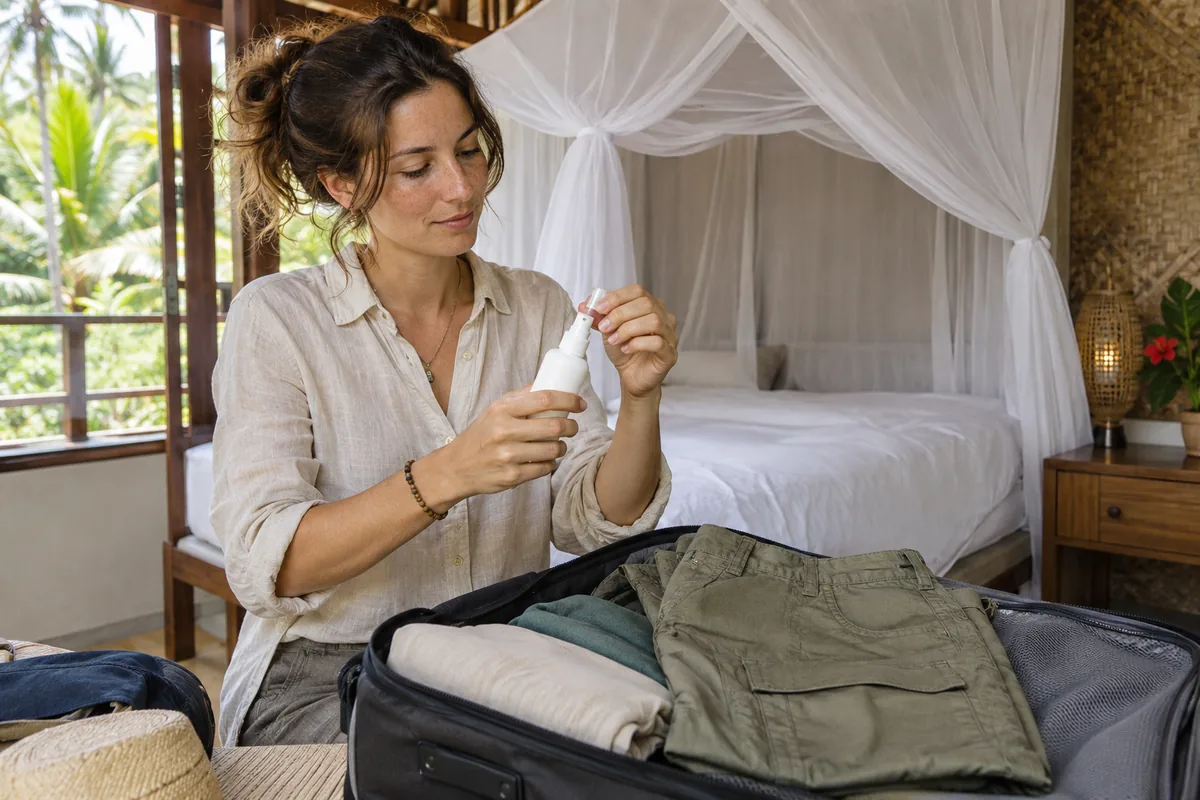
A bottle of insect repellent is easy to add to a suitcase. Using it consistently during a busy holiday takes more thought. The bottle may remain at the hotel during an unplanned evening walk, be packed in a bag you cannot reach during a transfer, or run out before the last week. Effective preparation connects the product with the ordinary moments when you will need it.
For travellers researching mosquito bite prevention in Ajax, the first step is to look at the complete trip. Where will you sleep? Will you eat outdoors? Are there rural visits, early morning outings, or evening events? Will you be moving between climates? The answers help turn a general intention to avoid bites into a realistic daily routine.
Understand what bite prevention can and cannot do
Mosquitoes can transmit different infections in different regions. Avoiding bites is one protective measure, while vaccines or preventive medication may be relevant to particular diseases and destinations. No single product covers every risk, and taking malaria medication does not remove the need to prevent bites. Likewise, repellent does not replace a recommended vaccine or prescription.
Different mosquitoes are active at different times, so a strategy limited to the evening can leave gaps. Plan protection whenever you may be exposed, including daylight excursions. Canada’s insect bite and pest prevention guidance explains how repellents, clothing, accommodation, and netting work together.
The number of visible bites is not a reliable medical test. Some people react strongly to ordinary bites, while others barely notice them. You cannot identify the infection risk of a mosquito by how itchy the bite becomes. Focus on prevention and on seeking appropriate care for illness rather than trying to interpret each skin mark.
Choose a product you can use correctly
Buy a repellent approved for use in Canada and read the full label before departure. DEET and icaridin are common options, but the appropriate product depends on the user, their age, and the situation. Ask a pharmacist or clinician if you are unsure about a child, pregnancy, a skin condition, or a previous reaction.
Do not choose only by the largest number on the package. The label explains where a product may be applied, how long protection is expected to last, and when reapplication is permitted. Different formulations are not automatically interchangeable. A familiar brand name may appear on products with different ingredients and instructions.
Health Canada provides specific guidance on registered repellents, including age restrictions and safe application. Use that guidance alongside the label on the product you actually purchase. Health Canada personal insect repellents
Consider whether you will realistically tolerate the format. A product that leaks, has an uncomfortable texture, or is awkward to apply may be left unused. There is value in learning how the packaging works before the airport transfer. Keep the original instructions rather than decanting repellent into an unlabelled container that nobody can identify.
Make application part of getting ready
Place repellent beside the other items you prepare for an outing: hat, water, room key, and necessary medication. Use it on exposed skin as directed, avoiding eyes, mouth, broken skin, and other areas prohibited by the label. Never spray repellent directly onto the face. Apply it to your hands first and then carefully spread it where permitted, keeping it away from eyes and lips. Use sprays in a ventilated space and follow the manufacturer’s instructions.
When sunscreen is also needed, apply sunscreen first and repellent afterward. The products may have different reapplication schedules, so do not assume one combined application lasts throughout swimming, sweating, and a long afternoon outside. Keep both labels available and follow their instructions independently. CDC mosquito bite prevention
Ask a companion to help with areas that are difficult to reach appropriately. Solo travellers can choose clothing that reduces exposed areas without making application complicated. Before a long excursion, confirm that the repellent is in the bag going with you rather than the bag being stored under a coach or left in the hotel.
Use clothing as a practical second layer
Lightweight long sleeves, long trousers, and socks can reduce exposed skin while remaining workable in warm weather. Choose clothing you would actually wear while walking, sitting outside, and travelling between stops. The best outfit is not necessarily the one marketed most dramatically as expedition equipment; comfort and coverage help you keep using it.
Consider how the clothing behaves during ordinary movements. Trouser hems rise when seated, shirt sleeves get rolled up during meals, and loose collars expose more skin while bending forward. These small changes help explain why a traveller can receive bites despite believing they were covered. Carrying repellent remains useful even with a thoughtful outfit.
Permethrin-treated clothing is a separate topic from products applied to skin. Follow Canadian guidance and the item’s instructions, including any restrictions involving children. Never apply a clothing treatment directly to your skin. If buying treated equipment abroad, do not assume its approval or use instructions match those for products sold at home.
Ask better questions about the room
Accommodation photographs rarely show the details that determine insect protection. Ask whether sleeping rooms have intact screens, reliable air conditioning, and doors that close properly. A room described as open-air may be appealing, but it changes the protection you need. Make that decision deliberately before arrival.
Where a mosquito net is appropriate, find out whether one is provided and how it is installed. Check for holes and ensure the net can enclose the sleeping space as intended. Keep it from resting directly against your skin. If you bring your own, practise setting it up and consider whether the room will offer suitable attachment points.
Treat the first few minutes in a room as a quick inspection. Close doors, check screens, and identify any obvious gap before unpacking. If there is a problem, ask staff to address it or change rooms. Discovering a torn screen at bedtime makes the same task more difficult, especially when reception has closed.
Prepare carefully for babies and children
A child’s plan should be based on age and the specific product label. Do not simply use a smaller amount of an adult product and assume it becomes suitable. Discuss very young infants with a healthcare professional before travel to areas with mosquito-borne disease, because destination choice and timing may deserve consideration alongside supplies.
Adults should manage application and prevent children from handling repellent carelessly. Avoid applying it where young children will readily put it in their mouth or eyes, and follow the label’s instructions for hands and faces. Use suitable clothing and properly fitted netting over sleeping or resting spaces where appropriate.
Think about the child’s routine throughout the day. A baby may nap outside while adults eat lunch, and an older child may remove a long-sleeved shirt during play. Assign responsibility clearly between caregivers. “We thought someone else had done it” is a common organizational problem that can be prevented with a simple check before leaving the room.
Match supplies to the length of the trip
Estimate how many people will use the repellent and how often exposure is likely. A small container that seems adequate for one adult may be insufficient for a family over several weeks. Check transport rules before packing and keep supplies protected from leaks, heat, and accidental access by children.
Split the practical task rather than assuming one person will remember every item. One traveller might carry the daytime supplies while another checks the room setup each evening. If your group separates for different activities, each subgroup needs its own plan. A single bottle cannot protect people who are several kilometres apart.
For longer journeys, identify how you would replace supplies from a reliable source. Keep a photo of the product label and ingredient information. If the same product is unavailable, ask a qualified professional about an appropriate alternative instead of guessing from unfamiliar packaging or accepting an unlabelled refill.
Do not rely on an appealing shortcut
Travel advertising often offers simple alternatives to routine application. Wristbands, scented accessories, phone applications, and assorted home remedies can sound convenient. Convenience alone is not evidence that a product provides dependable protection against disease-carrying mosquitoes. Use approved measures supported by public-health advice and ask about anything you are considering as a substitute.
“Natural” does not automatically mean safer, more effective, or suitable for children. A plant-derived substance can still irritate skin, and a pleasant smell does not establish protection. Treat product claims as questions to verify, especially when the promised benefit would replace a measure you already know how to use.
It is reasonable to simplify your routine, but simplify the organization rather than removing effective steps. A small pouch with the right supplies, clothing that is comfortable, and an accommodation check can be easier to maintain than repeatedly improvising after the bites begin.
Know what to do if you feel unwell
Fever during or after travel deserves attention. After visiting an area with malaria risk, seek immediate medical assessment for fever and explain where and when you travelled, even if you took preventive medication and do not remember being bitten. Malaria can appear after the holiday is over, so do not dismiss the connection because you have already settled back into your usual routine. CDC malaria prevention and symptom guidance
Breathing difficulty, confusion, fainting, or rapidly worsening illness requires emergency care. A rash or swollen bite alone cannot tell you which infection, if any, is present. Keep your itinerary available so a clinician can assess the geographic and timing details. Canada’s advice for illness during or after travel explains why travel history matters.
Leave home with a routine you can maintain
Before leaving Ajax, pack one day’s outing bag as a trial. Make sure clothing, repellent, sunscreen, and other essentials fit comfortably and can be reached without emptying everything. For families, practise the routine when there is time to read labels and solve small problems. This is a practical preparation exercise, not a reason to become anxious about every outdoor moment.
Bring your itinerary to a travel health consultation if you need help connecting bite prevention with destination-specific recommendations. Include the accommodation style, season, rural stays, and activities. A plan built around those details is easier to follow than a generic reminder to take bug spray, and it gives you a clear reason for each item you pack.