
February 9, 2025 · 9 min read
Japanese Encephalitis Vaccination in Ajax: Assessing Rural and Extended Trips
Discuss Japanese encephalitis vaccination in Ajax with a clear look at rural stays, outdoor activities, mosquito protection and changing travel plans.
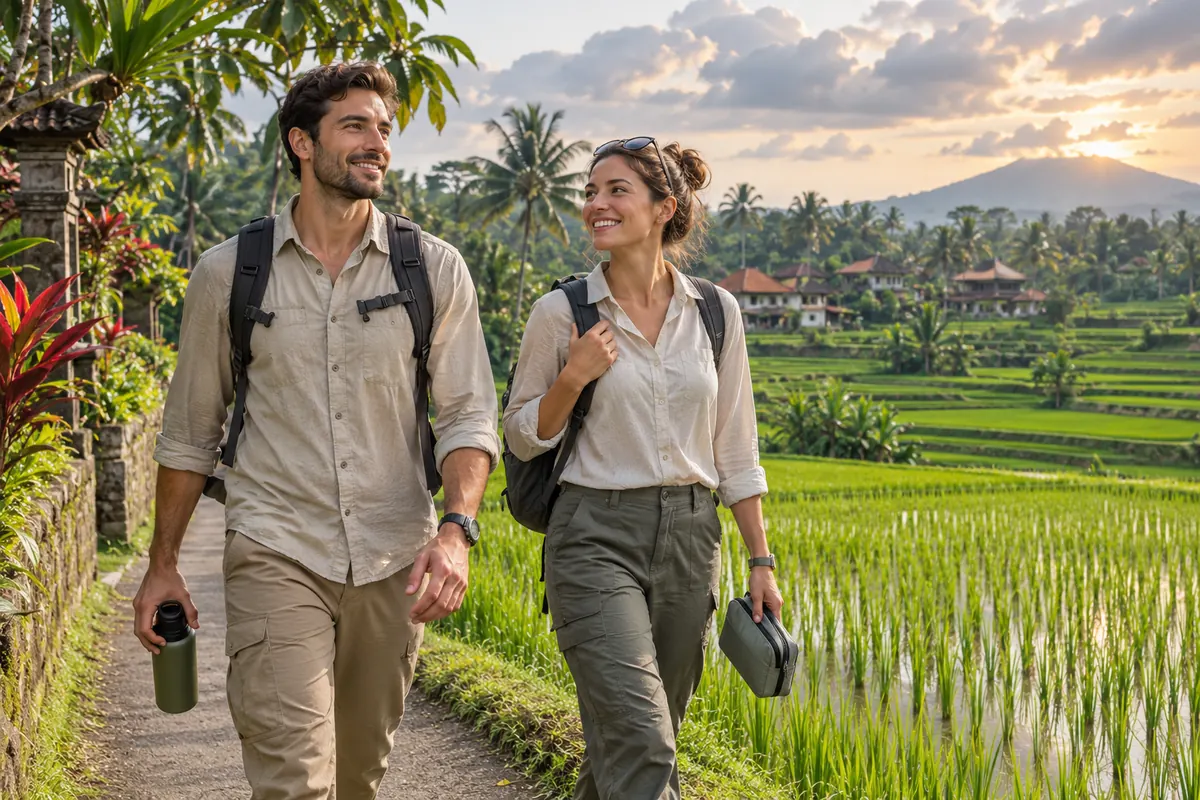
An itinerary described as “three weeks in Asia” leaves many health questions unanswered. Those weeks might involve city hotels and museums, rural family homes, cycling through agricultural areas or a flexible route chosen after arrival. Japanese encephalitis is one reason those details matter during a travel consultation.
For travellers considering Japanese encephalitis vaccination in Ajax, the right starting point is an exposure assessment rather than a universal vaccine list. A clinician reviews where and when you will travel, the amount of time outdoors, accommodation and the possibility of extending the trip. Your health history and vaccination record also shape the decision.
The aim is proportionate preparation. You should understand why vaccination is being considered, which uncertainties affect the recommendation and how to prevent mosquito bites whether or not vaccination is advised. This guide supports that conversation without prescribing an individual schedule.
A rare travel illness with potentially serious consequences
Japanese encephalitis is caused by a virus transmitted by infected mosquitoes. Transmission occurs in parts of Asia and the Western Pacific, with risk varying across locations and seasons. Most infections do not cause recognizable illness, but severe disease can involve inflammation of the brain and lasting neurological harm. The World Health Organization’s Japanese encephalitis fact sheet explains the disease and its geographical context.
For most travellers, the overall risk is low. That does not mean the risk is identical for every itinerary or that the consequences are minor. A useful assessment weighs both the likelihood of exposure and the seriousness of the illness.
Avoid making the decision from the disease name alone. Japanese encephalitis is not restricted to Japan, and travel to a country where it occurs does not automatically mean every visitor needs vaccination.
Describe the evenings as well as the sightseeing
Travel planning often focuses on daytime attractions. A health assessment also needs to know where you will be after sunset, how you will sleep and whether you will spend repeated periods outdoors. Mention evening walks, camping, fieldwork and social activities outside.
Write down the places where you expect to spend nights, even if the names are unfamiliar. A rural homestay outside a large city may not be obvious from the address on the flight booking. If a tour company provides a detailed route, bring that document instead of only the promotional overview.
For an Ajax traveller visiting relatives, ask family members about the setting and sleeping arrangements before the appointment. Whether windows have intact screens or rooms are enclosed can be more useful information than whether the accommodation is considered comfortable.
Duration is one factor, not the entire decision
Longer travel can increase the opportunity for exposure, but a short trip with substantial outdoor or rural exposure may still deserve a careful discussion. Conversely, a longer stay concentrated in lower-risk settings may be assessed differently. The clinician combines several details rather than relying on one cutoff in isolation.
The Canadian Immunization Guide’s Japanese encephalitis vaccine chapter describes itinerary-based assessment and vaccine considerations. Bring your previous vaccine record if you have travelled to the region before, including the product and dates of any Japanese encephalitis doses.
The ecology helps explain the questions. Mosquitoes that transmit the virus often breed around standing water, including irrigated agricultural areas, and commonly bite in the evening or at night. Transmission may be seasonal in temperate areas and can occur throughout the year in some tropical settings. A rice-growing district visited during a period of active transmission therefore raises different questions from an enclosed city conference venue. Neither a country name nor the label “rainy season” is a sufficient assessment by itself.
Do not treat a previous trip without illness as proof that the next trip carries no risk. That history can tell you about your preferences and travel style, but it does not replace an assessment of the new route.
Flexible travel needs an honest description
Backpacking and extended visits sometimes involve intentionally open plans. You may book only the first week and decide what comes next after meeting friends or checking the weather. Tell the clinician about the possibilities rather than presenting the first booking as the entire trip.
List the regions you are considering and the activities that would tempt you to change course. A spontaneous cycling tour, farm stay or volunteer placement may matter more than an extra night at the same city hotel. Ask which changes should prompt a further review.
You do not need to eliminate spontaneity. The purpose is to recognize the boundaries of the advice you receive. A recommendation based on an urban itinerary should not quietly become a recommendation for several weeks of rural travel without anyone reconsidering it.
Plan the vaccine discussion early
If vaccination is appropriate, timing needs to fit the product, your age, previous doses and departure date. Contact the clinic while you still have flexibility for appointments. Ask when the recommended course should be completed and what protection can reasonably be expected by departure.
Do not copy a schedule from an online discussion or assume another traveller’s accelerated plan applies to you. The clinician needs to check suitability and current guidance. If your departure moves forward, report the change rather than adjusting intervals yourself.
When time is short, there may still be useful decisions to make. These include revising activities, improving sleeping arrangements and strengthening bite prevention. Be clear about the limitations of any incomplete vaccination plan.
Make mosquito protection a daily habit
Vaccination against one mosquito-borne infection does not protect against all mosquito-borne diseases. A destination may also require discussion of malaria, dengue or other infections. Ask the clinician to explain which prevention measure addresses which risk so you do not mistake one medicine or vaccine for universal protection.
Canada’s insect bite prevention guidance recommends suitable clothing, approved repellents used according to their labels and screened or enclosed sleeping spaces. Mosquito netting can be relevant when sleeping areas are not adequately protected.
Choose supplies you are willing to use consistently. A repellent that remains in the suitcase or clothing that is too uncomfortable to wear will not contribute much to your routine. Discuss suitable options for children and anyone with skin sensitivities before purchasing a large supply.
Look carefully at accommodation details
Photographs of a beautiful room may not show the features relevant to insect protection. Ask about screens, gaps around windows and doors, and whether a mosquito net is available when needed. If you will carry your own net, make sure it can be used with the sleeping arrangement you have booked.
For a long trip, consider how you will maintain supplies. Will your repellent last the full stay? Can you wash and dry clothing regularly? Where will the next stop be if the original accommodation is unsuitable? These are practical planning questions, not reasons to assume every rural stay is unsafe.
If relatives are hosting you, discuss these needs respectfully in advance. A simple request before arrival can be easier to arrange than an urgent search for supplies after the first night.
Children and special health circumstances
Each family member needs an individual assessment. Age affects vaccine decisions, and a child’s outdoor activities may differ from those of accompanying adults. A child spending afternoons with relatives outside may have a different daily pattern from a parent working indoors.
Pregnancy, immune suppression, allergies and previous vaccine reactions should be disclosed before a recommendation is made. Bring medication names and details of planned treatment. If another specialist manages your condition, the travel clinician may need to coordinate timing or clarify precautions.
Do not stop medication or change treatment dates on your own. If the assessment identifies limitations, discuss practical alternatives such as modifying exposure or reconsidering a particular activity. The decision should account for both health needs and the purpose of the trip.
Ask the tour organizer concrete questions
If a company has arranged the route, ask for details that support the medical assessment. Where are the overnight stops? Are evening activities outdoors? Will the group sleep in enclosed rooms, tents or open structures? Can you choose a different activity without being separated from the group for the rest of the day?
Keep the answers with your itinerary. Marketing terms such as adventure, luxury or authentic do not describe exposure precisely. A few factual details can help a clinician make a better recommendation and help you choose supplies that fit the actual trip. If the operator changes the route later, compare the new plan with the information discussed at your appointment.
Budget for the complete prevention plan
When comparing costs, ask what the full vaccination course and consultation involve. An advertised single dose price may not describe the entire plan. Also consider the cost of suitable repellent, protective clothing, better accommodation and travel insurance.
Tell the clinician if budget is a constraint. A candid discussion can help you understand which decisions are most relevant and which itinerary changes might reduce exposure. Do not choose vaccination solely because it sounds comprehensive or reject it solely because another traveller did not receive it.
Keep the reasoning with your records. A brief note explaining the assessed itinerary and recommendation can help you remember why the decision was made when planning another trip years later.
Know where to seek care if illness develops
Fever during or after travel can have many causes. Seek medical assessment when you are unwell and tell the provider where you have been. Severe headache, confusion, seizures, new weakness or other neurological symptoms require urgent care. Do not try to distinguish Japanese encephalitis from other serious conditions yourself.
Before departure, save your insurer’s medical assistance details and identify how to reach appropriate care from the more remote parts of your route. A travel companion should know where these details are stored. Use an offline copy as well as an online one when possible.
If you receive care abroad, obtain a written summary and retain test results. Those documents can help a clinician in Canada understand the evaluation if further follow-up is needed.
Recheck the route before leaving
The final week before travel is a useful moment to compare the actual bookings with the itinerary discussed at your consultation. If the route has changed, tell the clinic. Review official destination advice rather than relying on a screenshot saved months earlier.
Canada’s travel health planning resource brings together preparation, prevention and access-to-care considerations. Use it as a prompt to check that the practical parts of your plan are ready, not simply that an appointment occurred.
For Japanese encephalitis vaccination in Ajax, arrange a travel consultation with your route, accommodation details and records. You can review vaccination services and request an appointment once your plans begin to take shape. A carefully explained recommendation and a sustainable mosquito-prevention routine are the foundations of useful preparation.