
July 12, 2025 · 10 min read
Inflammatory Bowel Disease and Travel in Ajax: Planning With Crohn's or Colitis
Prepare for travel with inflammatory bowel disease from Ajax by arranging treatment, toilet access, food options and a clear response to changing symptoms.
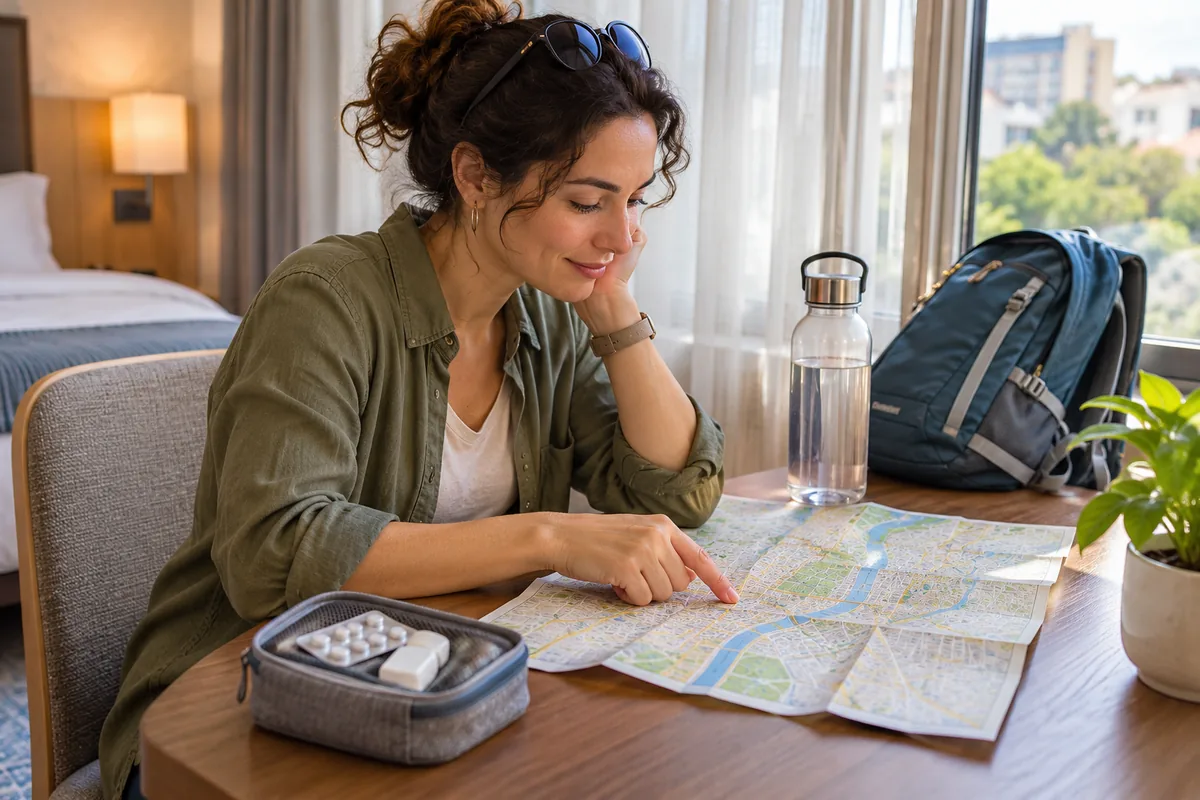
For someone with Crohn’s disease or ulcerative colitis, a hotel description can leave out the most useful information. How far is the room from the bathroom? Can the airport transfer stop when needed? Is there a refrigerator suitable for medication? Will the tour allow a quiet afternoon without losing the whole booking? These questions are practical parts of travelling with inflammatory bowel disease, and they deserve straightforward answers.
Planning inflammatory bowel disease and travel in Ajax means connecting your current treatment with the way you want to travel. It does not mean assuming that every symptom abroad is a flare or that everyone with IBD needs the same food restrictions. Your own disease history, medicines, surgery and recent symptoms determine the questions to bring to the gastroenterology team.
Choose the trip around your current situation
Discuss travel before finalizing a complicated route, especially if symptoms are active, treatment has recently changed or investigations are pending. Describe the longest day away from medical care and any remote excursions. Ask whether the proposed timing is reasonable and what change in symptoms would warrant reassessment before leaving.
The Crohn’s & Colitis Foundation’s travel guidance highlights preparation for treatment, bathroom access and finding care. Use that framework to identify your particular pressure points. A traveller who needs frequent toilet access may benefit from a shorter private transfer, while someone receiving scheduled infusions may need different departure dates. Explain which parts of the visit matter most so adjustments can preserve the purpose of the trip instead of simply removing activities.
Put every treatment date on one calendar
List regular prescriptions, injections, infusions, monitoring tests and follow-up appointments beside the travel dates. If a treatment falls during the trip, discuss arrangements with the IBD team well in advance. Do not independently delay an infusion, skip an injection or change a steroid schedule to avoid inconvenience. A treatment plan that works at home should remain recognizable abroad.
Ask how to handle a missed or vomited dose and what to do if a medication supply is damaged. Keep the active ingredient, strength, formulation and instructions on a readable list. Brand names can differ between countries, and similar packaging does not prove that a product is equivalent. If a clinician abroad recommends a change, show the existing list and contact the usual team when feasible. Keep a record of any agreed adjustment for follow-up at home.
Solve refrigerated medication storage before the airport
If your medicine needs temperature control, ask the pharmacist about its exact storage range and allowable time outside refrigeration. Requirements vary by product. Discuss the intended cooler or transport container and whether freezing would damage the medicine. Avoid placing medication directly against frozen packs unless the pharmacist or manufacturer specifically recommends that arrangement.
Call the accommodation to confirm suitable storage and what happens if the room is unavailable at arrival. A drinks chiller may not maintain the required temperature. Ask who can help during a power failure or if the refrigerator stops working overnight. The Crohn’s & Colitis UK travel resource covers medication transport and travel preparation. Keep the product-specific instructions with the medicine so another adult can follow the plan if necessary.
Make toilet access a booking question
Ask tour operators about the longest interval between toilet stops and whether extra stops are possible. A statement that a coach has a bathroom may not tell you whether passengers are permitted to use it or whether it will be available throughout the route. When booking accommodation, ask about a private bathroom and the distance from sleeping space if the layout is unusual.
Choose seats and transport arrangements that reduce avoidable difficulty, while following safety instructions when movement is restricted. Save useful toilet locations offline for the first day in a new city. Learn a short phrase explaining that access is urgent, or carry a translated card. Such a card can help communication but does not guarantee entry everywhere. A spare clothing kit and discreet disposal bags may provide reassurance without requiring a long explanation to companions or staff.
Share the right amount with the people travelling with you
Tell companions how IBD may affect the schedule and what support is actually useful. Perhaps you need them to wait without repeatedly checking on you, help find a bathroom or accept a change of restaurant. Explain this before the trip, when everyone can listen without the pressure of an imminent departure or an urgent stop.
You can be specific without disclosing details you prefer to keep private. A group leader may only need to know that prompt toilet access and flexible breaks are medically important. A close companion may need the emergency plan and medication location. Agree on a simple way to signal that an outing needs to end. This avoids turning every symptom into a group discussion and makes it easier to protect both comfort and privacy.
Plan food around your own established advice
Bring the dietary approach that works for you and review it with your clinician or dietitian if travel creates new problems. IBD does not produce one universal safe-food list. Someone with a narrowing of the bowel, an ostomy or a prescribed nutrition plan may need advice that differs substantially from another person with the same diagnostic label.
Identify meals you can obtain reliably, including breakfast before an early departure. Pack permitted familiar snacks for delays and ask accommodation hosts how food will be prepared. Avoid deliberately going without food or fluids simply to reduce bathroom visits unless your treating team has given a specific instruction. Think about social pressure as well: a brief explanation to relatives before a celebration may prevent repeated encouragement to eat something you know is difficult for you.
Keep foodborne illness and a flare as separate possibilities
Diarrhea abroad can have several causes, including infection and active IBD. Do not assume you can identify the cause from one symptom or from what happened on a previous trip. Ask the IBD team for a written plan explaining whom to contact, which information to record and when an in-person assessment is necessary. If stool testing or other investigations might be needed, knowing where to seek care becomes especially valuable.
The Crohn’s & Colitis Foundation’s flare information describes common disease symptoms. Fever, severe or worsening abdominal pain, substantial bleeding, persistent vomiting or signs of dehydration warrant prompt medical assessment. Seek emergency care for severe symptoms or rapid deterioration. Do not start leftover antibiotics, increase steroids or use an antidiarrheal medicine without the advice given for your situation, especially when significant pain, fever or blood is present.
Take infection precautions that fit your treatment
Tell the travel clinician exactly which immune-modifying medicines you use and when you receive them. Vaccine choices and timing depend on the treatment, immune status and destination. Some live vaccines may be unsuitable. Do not stop IBD treatment in order to receive a travel vaccine without specialist advice. The Canadian Immunization Guide for immunocompromised people explains why individual assessment is needed.
Discuss malaria prevention and travel medicines using the same complete medication list. Bring the full route, including rural stays or side trips that may change exposure. A destination plan can sometimes be adjusted when a recommended prevention option is not suitable. Our travel guide for immunocompromised people offers broader questions to take into that discussion, while your IBD team remains responsible for the underlying treatment plan.
If you have an ostomy, prepare for the ordinary practicalities
Pack the supplies you know work and discuss a sensible extra quantity with the stoma nurse. Keep essential items in cabin luggage and in the bag used for day trips. Consider what will be needed for changing or emptying the pouch in a small bathroom and how used supplies will be managed discreetly. Avoid trying several unfamiliar products for the first time during travel.
The United Ostomy Associations of America’s travel guidance addresses screening and travel arrangements. Ask your own nurse about heat, skin concerns, output changes and hydration for your type of ostomy. If you have an individualized oral rehydration or fluid plan, bring the instructions and suitable supplies. A general instruction to drink more may not answer the specific problem of high output or a change in the way fluids are absorbed.
Check medicine entry rules and airport procedures
Review the destination’s rules for each prescription and any needles, injectable medicines or other supplies. Ask whether you need a letter, permit or original prescription documentation. Include transit countries where relevant. Canada’s travelling with medication guidance is a starting point, but the destination’s authorities determine entry requirements.
Keep documents together and describe supplies in plain language during screening. If you need privacy for a sensitive matter, ask what arrangements are available. Allow enough time that a routine question does not become a rushed confrontation. A companion who knows the practical plan can manage other bags while you speak with staff. These arrangements are easier to make calmly before departure than while you are worried about missing a flight.
Identify the clinician you would contact abroad
Ask the IBD team whether they can suggest appropriate care near the destination and clarify how to contact them from another time zone. Their remote advice may be helpful, but it cannot replace urgent local assessment when necessary. Save a nearby hospital, local emergency number and insurer assistance details offline. Confirm how to obtain help outside ordinary office hours.
Review insurance carefully for IBD, recent flares, treatment changes and planned activities. Keep written answers to coverage questions. If you receive care abroad, collect reports, test results and medication details before leaving the facility. A short symptom diary can also help your usual team understand what happened without relying on memory after a tiring return journey.
Make the first evening easier than the travel day
Before leaving Ajax, decide how you will get from the arrival point to the accommodation, where the next meal will come from and which supplies must be unpacked immediately. A late arrival can make every small task harder, especially if you are tired and do not yet know where the nearest bathroom or pharmacy is. Saving the host’s number and the correct entrance address can remove an avoidable search at the end of the journey.
If arriving before check-in, ask whether a bathroom and medication storage will be available while you wait. Do not assume that luggage storage includes access to a suitable refrigerator. Consider booking the room from the previous night if early access is essential and the accommodation confirms that arrangement. The cost may be worth comparing with the practical strain of several hours without the facilities you need.
Keep the first meal simple and familiar where possible, and let companions know that organizing treatment takes priority over immediately joining an outing. A settled start gives you time to notice missing supplies and resolve questions while staff and shops are still available.
Finish with a flexible first and last day
Leave space after arrival to organize supplies, locate nearby facilities and recover from the journey. Before returning, check the remaining medication and arrange any follow-up that is due at home. A quiet final evening can be more useful than squeezing in another excursion if it gives you time to pack treatment correctly and prepare for transit.
For inflammatory bowel disease and travel in Ajax, book a travel consultation with your route and treatment list, and involve your gastroenterology team in decisions about disease control. Good preparation makes everyday needs easier to meet, so the trip can be shaped around meaningful experiences rather than repeated uncertainty about the next dose, bathroom or source of help.