
January 31, 2025 · 9 min read
Hepatitis B Vaccination in Ajax: Records, Travel Plans and Long-Term Protection
Review hepatitis B vaccination in Ajax before travel, including past records, unexpected medical care, longer stays and a practical plan for follow-up.
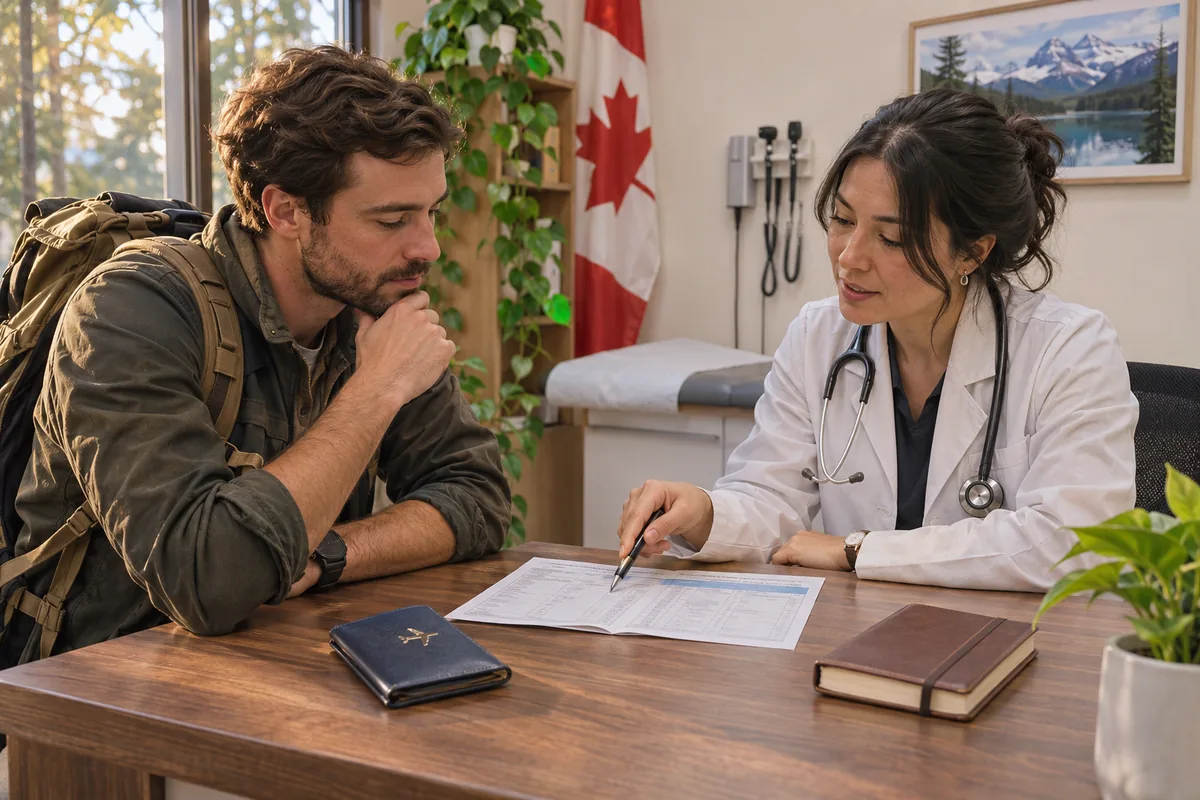
You may not expect medical treatment to be part of a holiday. A broken tooth, an injury or a sudden illness can change that plan. Hepatitis B prevention belongs in a travel conversation partly because not every exposure is planned, and partly because travel is a useful opportunity to check protection that matters beyond one trip.
For someone considering hepatitis B vaccination in Ajax, the first question is often whether a childhood or school vaccine already provides the needed protection. The answer depends on the actual record, your health and the circumstances being assessed. It is worth resolving that question before a long stay, a work placement or a family visit abroad.
This guide focuses on making the review useful: which information to gather, what misunderstandings to avoid and how to leave with a follow-up plan you can complete. Individual vaccine selection, schedules and any testing should be determined with a qualified health professional.
Hepatitis B is different from hepatitis A
Both infections affect the liver, but their usual transmission routes differ. Hepatitis B can spread through exposure to infected blood and certain body fluids, including through sexual contact or contaminated medical equipment. It is not ordinarily acquired from sharing a meal or drinking water. Some infections become chronic and can lead to serious liver problems. The World Health Organization’s hepatitis B overview explains these distinctions.
This is why careful restaurant choices do not replace hepatitis B protection. It also explains why a vaccine you received for food and water risks may not answer the hepatitis B question. A combined hepatitis A and B vaccine exists, but a vague memory of “hepatitis vaccination” does not establish which protection you received.
Ask for the exact vaccine name when reviewing old records. Clear terminology prevents a surprisingly common planning error: assuming that protection against one type of hepatitis covers the others.
Build a vaccination history before building a schedule
Start with records from your family doctor, previous travel clinic, school immunization program or another country where you received care. Look for product names and dates, rather than counting the number of appointments you remember. Several vaccines may have been given at one visit, while one vaccine series may have required visits months apart.
Keep original records intact and make a readable copy for the appointment. If a document is in another language, bring it rather than trying to recreate it from memory. The clinic can tell you whether more information or a translation would help.
When information is missing, label it as missing. Do not invent dates to complete an intake form. Write the approximate year separately if that is all you remember, and explain where the vaccination might have occurred. Your clinician can assess the uncertainty and decide what to do next.
Consider planned and unplanned exposures
Some travellers already know that their activities make a hepatitis B discussion important. Examples include health-care work, certain volunteer placements, prolonged stays and travel involving possible sexual contact. Others have no planned exposure but want to understand protection in case they need treatment abroad.
Discuss your plans honestly and privately. A clinician does not need a socially polished version of the itinerary; they need enough information to make a useful recommendation. If you are attending with family, you can ask to discuss part of your health history separately.
The Canadian Immunization Guide’s hepatitis B chapter addresses vaccination, risk groups and circumstances in which testing or a different approach may be appropriate. A previous vaccination history does not remove the need to discuss immune conditions, occupational requirements or a documented previous lack of response.
Make the appointment about your complete trip
A six-week visit with relatives has different practical demands from a short conference. A student placement may involve institutional paperwork, and a person moving abroad may need to transfer their ongoing care. Tell the clinic about the whole stay, including extensions that are likely but not booked.
For an Ajax traveller commuting to work while preparing to leave, it is easy to focus only on the flight date. Set aside time for the less visible details: destination health-care access, insurance conditions and how follow-up doses will be arranged. These decisions are harder to make after departure when you are managing a new schedule and unfamiliar services.
If your employer or school has a form, bring it to the first visit. Do not assume a standard vaccine receipt meets an institution’s requirements. The clinician should see the wording before you commit to a timeline.
Work with the time you actually have
The Government of Canada encourages travellers to arrange a health review about six weeks before departure, while also noting that an appointment can still help when travel is close. That advice appears in its vaccines and medications before travel guide.
Hepatitis B planning can extend beyond the departure date. Ask how the recommended course fits your trip and what remains incomplete if you leave before every planned dose. Do not treat the first appointment as automatic confirmation of full protection.
If a clinician recommends a particular schedule, follow that schedule and seek advice about missed visits. Do not compress intervals yourself because a flight moved forward. Likewise, if you receive a dose elsewhere, record the date and product so the next provider can assess it accurately.
Testing is a clinical decision
Travellers sometimes ask for a blood test simply because their record is old. Testing can be useful in particular circumstances, but it is not a universal step before or after vaccination. The meaning of a result also depends on which test was ordered and why.
An old vaccination date is not, by itself, evidence that protection has expired. The Canadian Immunization Guide does not recommend routine hepatitis B boosters for people with a normal immune system who have completed the appropriate series. Certain medical circumstances, including chronic kidney disease and immune suppression, can require a different approach. This is why a review should connect the original course with your present health instead of treating every new holiday as a reason to start again.
Bring previous laboratory reports if you have them, especially if another clinician has diagnosed hepatitis B, discussed immunity or documented a vaccine response. A statement such as “my hepatitis test was negative” can refer to different tests and does not provide enough detail on its own.
Ask your clinician to explain the purpose of any proposed test and what the possible results would change. If a result requires follow-up, clarify who will contact you and how travel plans may affect the next step. Vaccination prevents infection; it does not treat an existing hepatitis B infection.
Pregnancy, immune health and ongoing treatment
Tell the clinician if you are pregnant, planning pregnancy, receiving dialysis, living with an immune condition or taking medication that affects the immune system. Mention treatment that is scheduled to begin after your travel appointment. These details may influence the approach even if you feel well.
Do not change prescribed medication to improve a vaccine response without involving the professional responsible for that treatment. A coordinated plan is especially useful when several clinicians share your care. Bring contact details or a recent treatment summary if your history is complicated.
For a family trip, assess each person separately. A parent’s documented series does not say anything about a child’s protection, and siblings may have different records. Group booking can simplify logistics while preserving individual decisions.
Reduce exposure even when vaccination is addressed
Vaccination is not permission to ignore the safety of a procedure. Think carefully before arranging tattoos, piercings or cosmetic services abroad, and avoid sharing equipment that may be contaminated with blood. Discuss safer sex and personal health questions during the consultation when relevant.
For necessary medical care, the priority is obtaining appropriate treatment. You should not delay emergency care while trying to assess every detail yourself. Instead, prepare beforehand by knowing how to contact your insurer and how to locate a suitable medical service at the destination.
Keep a concise medical summary accessible. Include allergies, regular medication and important conditions, with the names written clearly. If you need urgent treatment, that information is more immediately useful than a lengthy travel diary or an inaccessible folder on a locked device.
Insurance questions are part of preparation
Read the medical section of your travel insurance rather than assuming every procedure is covered. Check how the insurer wants to be contacted, how pre-existing conditions are handled and what documentation might be needed after treatment. If you are travelling for a planned procedure, discuss that explicitly with both the treating team and insurer.
Store the assistance number in a place your travel companion can find. Where possible, keep an offline copy of essential information. A phone without data or a depleted battery should not be the only route to your policy details.
These steps do not establish that a facility is safe, and they do not replace vaccination advice. They make it easier to act coherently if the trip changes from sightseeing to seeking care.
What to do after a possible exposure
A needlestick injury, contact between blood and broken skin, or another possible blood or body-fluid exposure deserves prompt medical assessment. Do not wait until you return to Ajax simply because you already received some hepatitis B vaccine. The details and timing of the exposure matter.
Canada’s hepatitis B information provides a starting point for understanding the infection, while an urgent assessment determines what action is appropriate after an incident. Tell the provider what happened, when it happened and what vaccination records you have.
If care is provided abroad, request written documentation of tests, treatment and any vaccine administered. Keep the facility’s contact information. Share those records with your Canadian health-care provider so follow-up decisions are based on what actually occurred.
Keep long-term protection organized
After your appointment, save the record with your other immunization documents rather than with disposable travel paperwork. Set reminders for follow-up before you leave the clinic. If you will be away, agree on how any remaining care should be arranged and how records will be shared.
When you return, complete any unfinished plan even if another international trip is not on the calendar. Travel may have prompted the conversation, but hepatitis B prevention can remain relevant to work, relationships and future health care.
For hepatitis B vaccination in Ajax, begin with a travel consultation that includes your past records and actual itinerary. The clinic’s vaccination page offers an overview of services, and you can request an appointment with your departure date and questions. A clear record, an individualized recommendation and a realistic completion plan are the most useful outcomes of the visit.