
April 19, 2025 · 9 min read
Heat and Sun Safety for Travel in Ajax: Prepare Before Departure
Prepare for hot-weather travel from Ajax with advice on shade, sunscreen, hydration, medication storage, children's needs and heat illness warning signs.
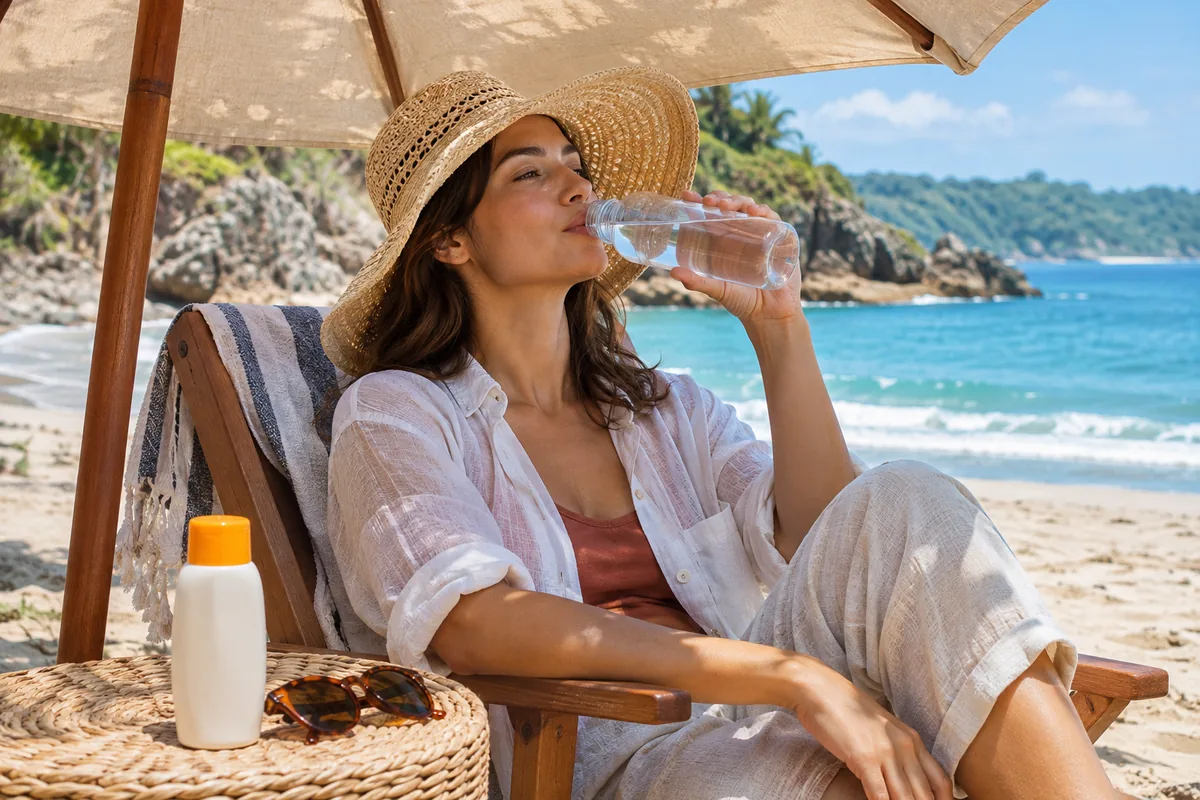
A sunny destination can change the pace of an ordinary day. Walking to lunch, waiting for a bus, or standing in a sightseeing queue may become more demanding than expected. Travellers often prepare for time on the beach but overlook the hours spent outdoors between planned activities. Those unremarkable moments can add up to substantial heat and ultraviolet exposure.
Preparing for heat and sun safety for travel in Ajax means looking at the whole itinerary. Consider the temperature, humidity, shade, accommodation, and activity level you expect. Then build a routine that works during airport transfers and city walks as well as pool days. The best plan does not depend on remembering everything only after you start feeling uncomfortable.
Separate heat from ultraviolet exposure
Heat illness and sun damage are related travel concerns, but they are not the same problem. You can overheat without direct sunlight, including in a warm indoor space. You can also receive significant ultraviolet exposure on a cool or cloudy day. A breeze may make you feel comfortable without telling you how much UV reaches your skin.
Use weather information and the UV index for different decisions. Forecast heat and humidity help you plan exertion and access to cooling. UV information helps you plan skin and eye protection. Health Canada’s sun safety guidance explains why clothing, shade, sunglasses, and sunscreen should be considered together.
Avoid using redness as the signal to begin protection. Sunburn can become apparent after the exposure has already occurred. Set up your routine before the first excursion, especially if you arrive from a cooler season and immediately spend several hours outside.
Make the first days easier
Allow time to adjust to a hotter environment. A strenuous walking tour immediately after an overnight flight combines fatigue, unfamiliar conditions, and exertion. Consider a shorter first outing with an easy route back to accommodation. You can increase activity once you understand how the conditions feel and where cooling options are available.
Plan demanding outdoor activities for cooler parts of the day when possible. Ask tour operators how they handle heat, whether there is shade, and whether guests can shorten an activity. A schedule that allows breaks is more useful than a promise that water will be available at the end.
Treat air-conditioned or otherwise cool spaces as part of the itinerary. Mark a museum, café, accommodation, or public facility where you can recover comfortably. An attractive route with no shade and no easy exit may be a poor choice during very hot conditions, even if the walking distance seems modest.
Choose protection you will actually wear
A broad-brimmed hat, sunglasses that provide UV protection, and comfortable covering clothing can reduce exposure without requiring constant reapplication. Try the combination before departure. A hat that blows off repeatedly or a shirt that feels intolerable while walking is likely to remain in the bag.
Think about gaps created by ordinary movement. The back of the neck can become exposed while looking down at a map, and shoulders may be uncovered when a layer is removed. Sandals expose areas that shoes usually protect at home. Include those details when deciding where sunscreen is needed.
For children, choose comfortable clothing and shade arrangements rather than relying only on keeping them still for repeated application. Ensure hats and sunglasses fit well. Adults should model the routine, because a rule that applies only to children is harder to maintain through a long day of sightseeing.
Use sunscreen as one part of the plan
Choose a broad-spectrum sunscreen with an SPF of at least 30 and follow its label for application and reapplication. Apply enough to cover exposed skin and pay attention to easily missed areas such as ears, the neck, and tops of feet. Reapply as directed, particularly after swimming, sweating, or towelling off.
Water resistance does not mean a product lasts indefinitely in water. A morning application should not be treated as permission to remain exposed all day. Keep the container accessible and read the instructions on the actual product rather than assuming all sunscreens work identically.
If you also need insect repellent, apply sunscreen first and repellent afterward, following both labels. The reapplication schedules may differ. Pack enough of each for your party, especially when your itinerary makes reliable replacement difficult. CDC guidance on insect protection and sunscreen use
Make drinking water easy to reach
Carry suitable drinking water and plan where you will refill it safely. Drink regularly before you become thirsty, while following any personal fluid advice from your clinician. Thirst alone is not a dependable warning of dehydration. If you have heart or kidney disease, or another condition affecting fluid intake, ask how to manage hot-weather travel before leaving home.
Do not assume a tour’s advertised refreshment stop will occur exactly on time. Traffic, queues, and equipment problems can extend the period between opportunities to drink. Keep an accessible reserve appropriate to the outing. A heavy bottle buried in luggage is less useful than a manageable supply you can actually reach.
Food, activity, and sweating can all affect your needs. Avoid adopting an extreme drinking target from social media or forcing excessive water as a universal solution. Ask for individualized advice if you expect prolonged strenuous activity, have medical restrictions, or have previously had problems in the heat.
Check medicines and storage conditions
Some medicines can affect heat tolerance or make skin more sensitive to sunlight. Ask your pharmacist or clinician about your own list, including nonprescription products. Do not stop or change medication on your own because the weather is hot. The useful outcome is a clear plan for precautions and what to do if symptoms occur.
Storage matters as well. A bag in direct sun, a parked vehicle, or a room without reliable cooling may exceed a medicine’s recommended conditions. Read labels and ask how to protect temperature-sensitive items during transfers. Include the hours between hotel checkout and your evening flight in that plan.
CDC’s guidance on heat illness in travellers discusses how health conditions and medication can affect risk. Bring those questions to a travel health consultation if your itinerary involves substantial heat, exertion, or limited access to cooling.
Recognize when an ordinary break is not enough
Headache, dizziness, nausea, unusual weakness, cramps, or heavy sweating can be signs that someone is struggling with heat. Stop the activity, move to a cooler place, loosen unnecessary clothing, and begin cooling. An alert person who can swallow safely may drink cool fluids. Seek medical advice if symptoms are significant, persist, or worsen.
Confusion, collapse, seizures, or a major change in consciousness in hot conditions can indicate heat stroke, which is an emergency. Call emergency services and begin cooling immediately while help is arranged. Move the person to shade or a cool space if safe, wet their skin or clothing with cold water, and fan them. Do not wait for the person to stop sweating; dangerous heat illness can occur while sweating continues. Do not give drinks to someone who is not fully alert or cannot swallow safely.
Health Canada provides clear information on recognizing and responding to extreme heat. Save the local emergency number and make sure companions know the plan. Rapid action matters more than finishing the excursion or returning to the hotel first.
Look out for companions who may not speak up
Young children, older adults, and people with certain medical conditions may need closer attention. A child absorbed in play may not ask for a drink or a break. An older traveller may minimize discomfort to avoid slowing the group. Make rest and cooling routine so nobody has to make a special request.
Check how people are behaving, not only whether they say they are fine. Unusual irritability, poor coordination, or difficulty following a conversation should prompt concern. If a person appears confused or seriously unwell, treat it as urgent rather than assuming they are tired or annoyed.
Never leave a child or another dependent person alone in a parked vehicle. Plan errands and transfers so the group can remain safe while someone buys tickets or checks in. A brief task can take longer than expected, and a vehicle can become dangerously hot quickly.
Make accommodation part of prevention
Ask whether your room has reliable cooling and whether it operates while you are out. Consider how you will cool down overnight, particularly during sustained hot weather. A room that stays very warm can make recovery difficult after a day outdoors. If the arrangement is unsuitable, address it early rather than repeatedly pushing through poor sleep.
Locate drinking water and a cool common space when you arrive. Know how to contact staff if equipment fails. If power interruptions are possible, ask what backup arrangements exist and how they affect medical devices or temperature-sensitive medication. These are practical booking questions, not details to discover during a heat wave.
For self-catering stays, think about how cooking affects indoor temperature. Simple meals that require less time around heat may be more comfortable after a hot day. Plan shopping so you are not carrying heavy bags at the hottest time simply because the refrigerator is empty.
Adapt beach and pool days
Reserve shade and use it regularly rather than treating the umbrella as a place to store bags. Reflection from water and sand can contribute to exposure, so shade does not eliminate the need for other protection. Keep sunscreen, hats, and drinking water close enough that using them does not require a long walk back to the room.
Avoid confusing cooling off in water with having addressed every risk. Swimming does not replace sun protection, and alcohol can impair judgement around water. Follow local swimming advice and supervise children closely. A relaxed day still benefits from clear responsibilities among adults.
After swimming, reassess clothing, sunscreen, and supplies before the next activity. The transition from pool to lunch often becomes an unplanned period in direct sun. A dry covering layer and accessible hat make that transition easier than searching through wet towels for protection.
Put a workable plan in the day bag
Before leaving Ajax, pack the bag you expect to carry on a hot sightseeing day. Include the essentials without making it too heavy to use. Check that each traveller has suitable protection, that medicines are stored appropriately, and that you know where cooling and safe water will be available.
If health conditions or a demanding itinerary raise questions, book a pre-travel appointment early enough to make adjustments. Heat and sun preparation works best when it changes the schedule as well as the shopping list. A comfortable pace, reliable breaks, and prompt attention to symptoms leave more room to enjoy the destination safely.