
February 27, 2025 · 8 min read
Family Travel Health in Ajax: Preparing Children for a Trip
Prepare for family travel from Ajax with a practical guide to children's vaccine records, medication, food, insects, travel days and finding care abroad.
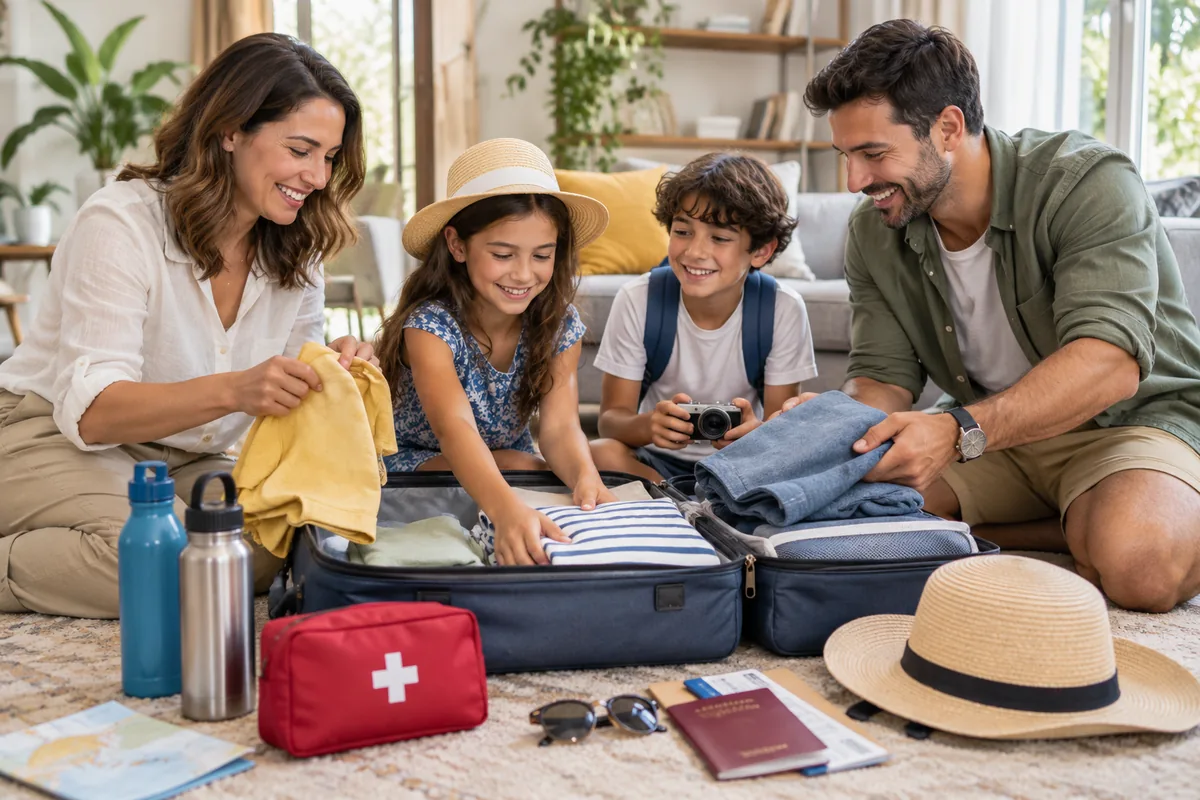
A family holiday can look perfectly organized on a booking confirmation while still leaving important health questions unanswered. Who carries the child’s inhaler? Will the airport transfer have an appropriate car seat? What happens if a toddler develops diarrhea the night before an excursion? These details rarely appear on a hotel website, but they can shape the experience as much as the destination itself.
Planning family travel health in Ajax starts with considering each person separately, then building one workable household plan. An infant, a teenager and a grandparent can share a suitcase without sharing the same medical needs. Preparing early gives parents time to organize records, ask questions and practise routines before the pressure of departure day.
This guide is intended to help families prepare for a consultation and organize everyday decisions. Vaccine recommendations, medication doses and decisions about a child’s illness require advice specific to that child.
Begin with the trip your family will actually take
Write down a typical day at the destination. A visit to grandparents might involve breakfast at a family home, a crowded bus ride, an afternoon outdoors and an evening gathering. A resort holiday could include a swimming pool, buffet meals and a day trip far from the hotel. These examples give a clinician more useful information than simply naming a country.
Include transit stops, the ages of all children, accommodation and any plans involving animals, camping or rural travel. If some details remain undecided, describe the possibilities. A flexible itinerary needs a discussion about which changes should prompt another medical review.
Parents should also consider the least flexible family member. A destination manageable for adults might be difficult when a baby needs reliable feeding supplies or a child needs urgent access to specialist care. Designing the trip around these needs can prevent problems that no travel kit can solve.
Gather one record for every child
Create a separate health summary for each family member. Include allergies, diagnoses, regular medication, relevant previous reactions and contact details for the usual health care provider. Keep the summaries distinct even if siblings take similar medicine; different strengths or instructions can otherwise become confused.
Find actual immunization records rather than relying on memories of school forms. A clinician can compare the documented history with the child’s age and proposed travel. Canadian guidance recommends discussing routine and travel vaccinations before departure, ideally around six weeks ahead, while emphasizing that a shorter timeline is still worth addressing. Government of Canada vaccine guidance.
Photographing records can provide a useful backup, but keep a readable offline copy. A parent trying to retrieve a cloud document on an unfamiliar mobile network may discover that the only available copy requires a verification code sent to a Canadian phone number. Test access before leaving home.
Discuss vaccines without treating children as small adults
Age matters in vaccine decisions. A vaccine that is appropriate for a parent may have different eligibility, timing or dosing for a child. International travel can also affect the timing of certain routine childhood doses. The clinician should explain whether any early dose changes the child’s later schedule; families should not assume that every travel dose replaces a future routine appointment.
Bring a calendar to the consultation and record follow-up dates immediately. If children attend different schools or have different caregivers, one shared appointment reminder is often insufficient. Note which child needs which appointment and who will take them.
Ask what protection the proposed plan can reasonably provide and what precautions remain necessary. Vaccines do not prevent every cause of fever or stomach illness. The goal is a layered family plan, with vaccination as one component. Universal Travel Health’s vaccination information provides a starting point for discussing options at an individual appointment.
Make travel day easier to manage
Build the carry-on around the first day away from home, including a possible delay. Pack regular medicines, a change of clothes, familiar snacks where permitted, feeding supplies and a small amount of entertainment within reach. Items buried under a stroller or in an overhead locker can be difficult to retrieve when a child becomes uncomfortable.
For medicine, keep original labelled packaging and written instructions. Ask a pharmacist to confirm the correct measuring device for liquid products. Kitchen teaspoons and adult tablets divided by guesswork are poor substitutes for a child-specific plan.
Share responsibility explicitly. One adult can carry the main supply while another knows exactly where it is stored and can access the instructions. If a family member travels separately, make sure the child accompanying them has their own essential supplies. Avoid a situation where every medical item is with the parent on a different flight.
Feeding and drinking need practical arrangements
Think about how you will obtain safe water, clean utensils and suitable food at each overnight stop. An accommodation listing that includes a kitchen does not tell you whether the water supply is reliable or whether there will be a clean preparation area. Ask specific questions before arrival.
For babies, discuss feeding arrangements with their health care provider, including preparation and storage needs for any formula being used. Pack the supplies needed for transit rather than assuming shops beyond security will stock the usual product. Families managing food allergies should also consider language barriers and how ingredients will be checked.
At meals, give children age-appropriate explanations they can follow: ask an adult before accepting a drink, wash hands before eating and report feeling unwell promptly. A teenager may need a different conversation about street food and independent outings than a preschooler who shares every meal with parents.
Have a realistic response to vomiting or diarrhea
Before departure, ask what signs of dehydration look like for your child’s age and when to seek care. Young children can deteriorate faster than adults, and a parent should not wait for the same warning signs they would use for themselves. Ask about appropriate oral rehydration products and how to prepare them with safe water.
A written plan should identify which treatments are suitable and which are not. Do not give a child adult antidiarrheal products or leftover antibiotics on the assumption that a smaller amount will work. Persistent vomiting, inability to drink, unusual sleepiness, blood in stool or concern about dehydration needs medical assessment.
During illness, simplify the day. Cancel an excursion if necessary and arrange a quiet place where intake, urine output and symptoms can be observed. The CDC’s guidance for travel with infants and children emphasizes age-specific preparation, hydration and injury prevention.
Make insect protection something children can follow
Discuss repellent products suitable for each child’s age, then practise the routine at home. Follow Canadian product labels and the clinician’s guidance. Parents should apply products for young children and keep them away from eyes, mouths and hands that may go into the mouth.
Clothing, screened rooms and suitable bed nets can complement repellent. When choosing accommodation, ask about window screens and sleeping arrangements instead of relying on a general promise that mosquitoes are uncommon. A portable cot must remain a safe sleep space; improvised netting or loose coverings should not introduce new hazards.
If malaria prevention is recommended, obtain separate instructions for each child. Medication choice and dosing depend on individual circumstances. Set reminders that fit the family’s real routine, and confirm what to do if a dose is vomited or missed. Do not improvise with another family member’s prescription.
Give water, roads and animals their own rules
Parents often spend more time comparing vaccines than arranging safe transport. Contact transfer companies about child restraints before paying. Describe the child’s age and size, ask what equipment is available and decide what to bring if a suitable restraint cannot be confirmed.
At pools and beaches, choose a specific adult to supervise rather than assuming that everyone is watching. A conversation at a family gathering can distract several adults simultaneously. Set clear boundaries about swimming, unfamiliar water and whether older children may leave the group.
Teach children not to feed, pet or approach unfamiliar animals. A friendly-looking dog or monkey is not a reliable indicator of safety. Ask children to report every bite or scratch immediately, even if they fear losing an outing. Wash an animal wound promptly and seek urgent assessment for possible rabies exposure; previous vaccination does not remove the need for care.
Arrange help before someone needs it
Identify medical facilities near accommodation and along any remote route. Save the local emergency number, insurer assistance number and accommodation address offline. Check whether the insurance includes every child, existing conditions and the activities planned. Canada’s travel insurance guidance explains why provincial coverage alone may leave major gaps abroad.
Think through the ordinary logistics of an emergency. Who will stay with siblings if one child needs hospital care? Who can translate? Can the accommodation arrange transport at night? These questions are easier to answer calmly from Ajax than during an unfamiliar midnight illness.
Carry any recommended consent documentation when a child travels without all parents or legal guardians. Health arrangements and border documentation are separate tasks, and completing one does not complete the other. The Government of Canada’s travelling with children guide is useful for checking the wider family travel arrangements.
Return with information, not just souvenirs
Keep a brief record of illnesses, medicines received abroad and any animal exposures. If a child needs care after the trip, share the destinations and dates at the beginning of the appointment. Fever after travel to a malaria-risk area requires urgent assessment, even when preventive medication was taken.
Before the next holiday, review what worked. Perhaps the family carried too many general supplies but nearly ran out of a child’s essential medicine. Perhaps a long transfer was harder than the flight. Those observations can improve the next itinerary and make subsequent consultations more useful.
To prepare for family travel health in Ajax, request a consultation once the route begins to take shape. Bring each child’s records, your questions and a realistic picture of daily life abroad. A useful family plan is one that every responsible adult understands and can carry out when the schedule changes.