
March 8, 2025 · 9 min read
Diabetes and Travel in Ajax: Planning Beyond the Packing List
Plan travel with diabetes in Ajax with practical questions about medication timing, airport screening, device backups, food, storage and sick-day care.
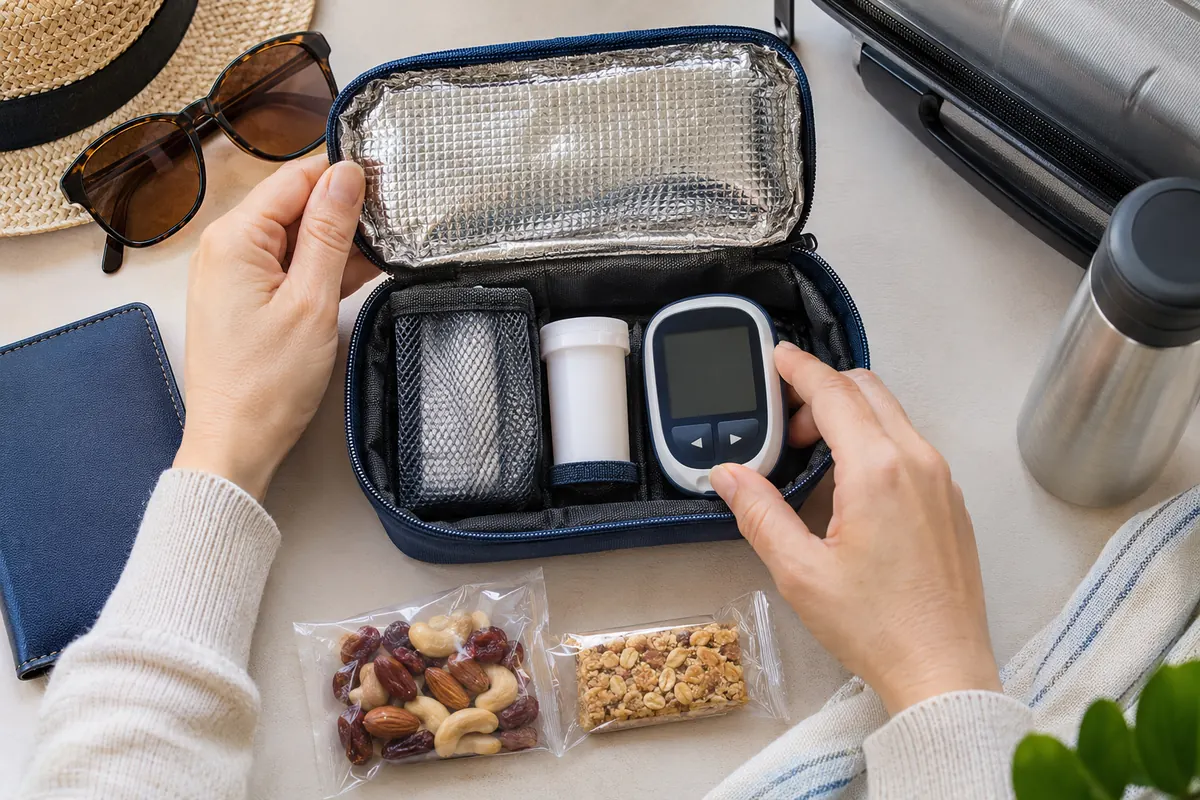
Travel interrupts many of the routines that make diabetes management predictable. Meals arrive late, walking increases, sleep changes and a phone may switch time zones without warning. None of these changes automatically prevents a good trip. They do make preparation more useful when it addresses the whole journey rather than just the number of insulin pens or tablets in a bag.
For travellers with diabetes in Ajax, a useful plan combines advice from the diabetes care team with a destination-specific travel assessment. The diabetes team understands the usual treatment and personal response to illness or activity. The travel clinician adds information about infections, vaccines and the places where care may be difficult to obtain.
This article is a preparation guide, not a dosing guide. Insulin adjustments, medication changes, glucose targets and sick-day instructions must come from the clinician who knows your situation.
Map the points where your routine will change
Start by writing down the first two days of the journey. Include the drive from Ajax, airport check-in, the flight, connections, arrival and the first overnight stay. Mark where meals are uncertain, where medicine will be stored and where you might need to check glucose privately or recharge a device.
Then look at the most active day of the holiday. A walking tour, hike or full day at a theme park may differ considerably from a normal day at home. Discuss these changes with the diabetes team before travel, particularly if you have previously experienced low glucose during activity.
The CDC notes that changing meal schedules, activity and time zones can affect blood glucose during travel. Its diabetes travel advice supports planning supplies and routines in advance. Use the actual itinerary to make that discussion concrete rather than asking for a single rule covering every holiday.
Get a written plan for medication timing
Crossing time zones can create a longer or shorter day. Ask how to manage your specific regimen during the journey and on arrival. The answer may differ for different types of insulin, other injectable medicines and tablets; it should not be copied from a friend who also has diabetes.
Record the plan in a format that identifies the time zone. A note saying “take it at eight” can become ambiguous when a flight crosses midnight. If using a pump or connected device, ask how and when its clock should be adjusted under the manufacturer’s instructions and your clinical plan.
Also ask what to do after a missed dose, a delayed meal or a cancelled flight. A useful plan includes how to obtain advice if circumstances no longer match the original schedule. Do not double a dose or stop essential treatment because you are uncertain about the timing.
Pack supplies as a system
Make an inventory by function: treatment, monitoring, low-glucose management, device support and documentation. Check that each part is usable. Spare test strips without a compatible meter, or a charger without the correct plug adapter, do not provide meaningful backup.
Discuss an appropriate extra supply with your clinician and pharmacist, allowing for delays while respecting destination import limits. Keep essential medication and equipment accessible in hand luggage. If a cabin bag is unexpectedly checked at the gate, remove the medical supplies first.
For longer trips, consider what would happen if one pouch were lost. A permitted backup in another accessible bag can reduce dependence on one container, but it must remain properly stored and identifiable. Agree with companions where supplies are kept and who may handle them. A clear arrangement is more helpful than several bags packed without a record.
Check airport screening for the exact device
Insulin pumps, continuous glucose monitors and other medical devices have manufacturer-specific instructions. Review those instructions before departure and tell screening staff about the equipment. Do not assume that every scanner or every device has the same compatibility.
CATSA provides information about diabetic supplies at Canadian checkpoints, including liquid medication and cooling materials. Screening rules at airports outside Canada can differ, so check the relevant authority for connecting and return flights as well.
Leave time to explain your needs without rushing. Keep labels and any requested medical documentation together. If you are uncertain about a screening method, ask for clarification before putting equipment through it. The goal is to protect both access to the flight and the reliability of the supplies needed afterward.
Treat storage as part of the itinerary
Ask the pharmacist for the storage requirements of each product, including what applies once a pen, vial or package is in use. Requirements vary, and a general instruction to “keep it cool” may be too vague to guide a long day in transit.
Confirm refrigeration arrangements with accommodation when needed. A minibar may not maintain the required conditions, and direct contact with ice can damage products that must not freeze. Use a suitable transport method and follow product-specific instructions. Keep medication away from parked-car heat and direct sunlight.
Plan for the period between checkout and the next hotel, especially if luggage will be stored or carried during sightseeing. If you suspect medicine has been exposed to unsuitable temperatures, seek advice from a pharmacist or the manufacturer rather than judging it only by appearance.
Keep food decisions practical
Research likely meal options, but carry appropriate backup food for delays within transport and border rules. An airline special-meal request is helpful when available, yet it does not guarantee the timing or amount that your treatment plan requires.
Discuss unfamiliar foods with your diabetes educator if carbohydrate estimation is a concern. Photographs of common dishes or an understanding of usual ingredients can be more useful than trying to find an exact match for every meal. Avoid making the holiday so rigid that one changed restaurant creates a crisis.
Keep the treatment recommended for low glucose within immediate reach, not just in a suitcase at the hotel. Travel companions should know where it is and how to help according to your plan. A snack intended for routine hunger may not be the correct product for treating a low.
Explain emergencies to a travel companion
If you use prescribed emergency treatment, ensure a companion understands when and how it is used and when to call emergency services. Demonstrate the relevant device before leaving home if training is needed. Written instructions should be brief enough to follow under stress.
Severe confusion, seizure, unconsciousness or inability to swallow needs emergency help. Do not give food or drink by mouth to someone who cannot safely swallow. The CDC’s information on low blood sugar treatment explains why severe episodes require an emergency response.
Carry medical identification and save the local emergency number. If travelling alone, think about how someone would recognize the condition if you became unable to explain it. A short translated card can support communication, though it does not replace accessible emergency care.
Prepare for illness before it occurs
Ask the diabetes team for a written sick-day plan tailored to your medication. It should address monitoring, hydration, ketone testing when relevant, medication decisions and when to seek urgent care. General online instructions may not fit all diabetes medicines or other conditions.
Vomiting and diarrhea can make usual routines difficult, while illness can affect glucose even when food intake is reduced. Do not assume that eating less means all treatment should stop. Equally, do not keep every medicine unchanged without checking the personal plan; some circumstances require specific adjustments.
The CDC’s sick-day guidance describes the importance of preparing for illness and recognizing emergencies. Persistent vomiting, difficulty breathing, dehydration, significant ketones or a rapidly worsening condition needs prompt medical assessment. Follow your own team’s escalation thresholds rather than waiting until a scheduled excursion ends.
Include feet, heat and activity in the plan
If the trip involves much more walking than usual, build up gradually before departure and use footwear you already know fits well. Check feet regularly and address blisters, cuts or redness promptly, particularly if sensation or circulation is affected. Avoid barefoot walking in unfamiliar environments.
Heat can affect both the person and the equipment. Plan shaded breaks, protect supplies and discuss fluid needs when other health conditions complicate hydration. A device left in direct sun while swimming may face a very different environment from the one in which it is normally used at home.
Ask how to monitor around unusual activity and how to respond to results using your individual plan. The purpose is to make activity enjoyable and manageable, not to avoid every change in routine. Include recovery time when several demanding days are planned consecutively.
Test the backup before a remote outing
Before a remote outing, test whether you can manage a routine glucose check and treatment without relying on mobile reception. Some supplies and device functions may work independently, while other features depend on connectivity or a charged phone. Check the manufacturer’s instructions for your equipment and discuss a backup method with the diabetes team. A plan that works in the hotel should also work on a bus, at a trailhead or during a power interruption.
Write down the model names and support contacts for essential equipment. If something fails, that information can help a support service identify the correct part or replacement. Keep the backup supplies with you on the outing; leaving them in the hotel defeats their purpose when returning would take several hours.
Connect destination prevention with your existing treatment
Bring the full medication list to a travel health consultation, including treatment for conditions other than diabetes. Vaccine recommendations and medicines for malaria prevention or other travel problems should be reviewed for suitability and interactions.
Explain whether travel will be remote and how quickly you could reach care. A camping route several hours from a hospital requires a different backup discussion from a city break. Insurance should be checked for diabetes-related emergencies, medical evacuation and the planned activities; clarify exclusions directly with the insurer.
Before returning home, keep a record of any treatment received abroad and any significant changes in glucose patterns. Share those details with the diabetes team when follow-up is needed. For diabetes and travel planning in Ajax, request an appointment early enough to coordinate the medical plan, supplies and itinerary. Preparation works best when it makes ordinary decisions clearer, especially on the days when travel is less predictable.