
August 17, 2025 · 9 min read
Cold Weather Travel Health in Ajax: Prepare Beyond the Forecast
Prepare for cold weather travel from Ajax with practical clothing choices, realistic outdoor plans, medicine storage and recognition of urgent cold injuries.
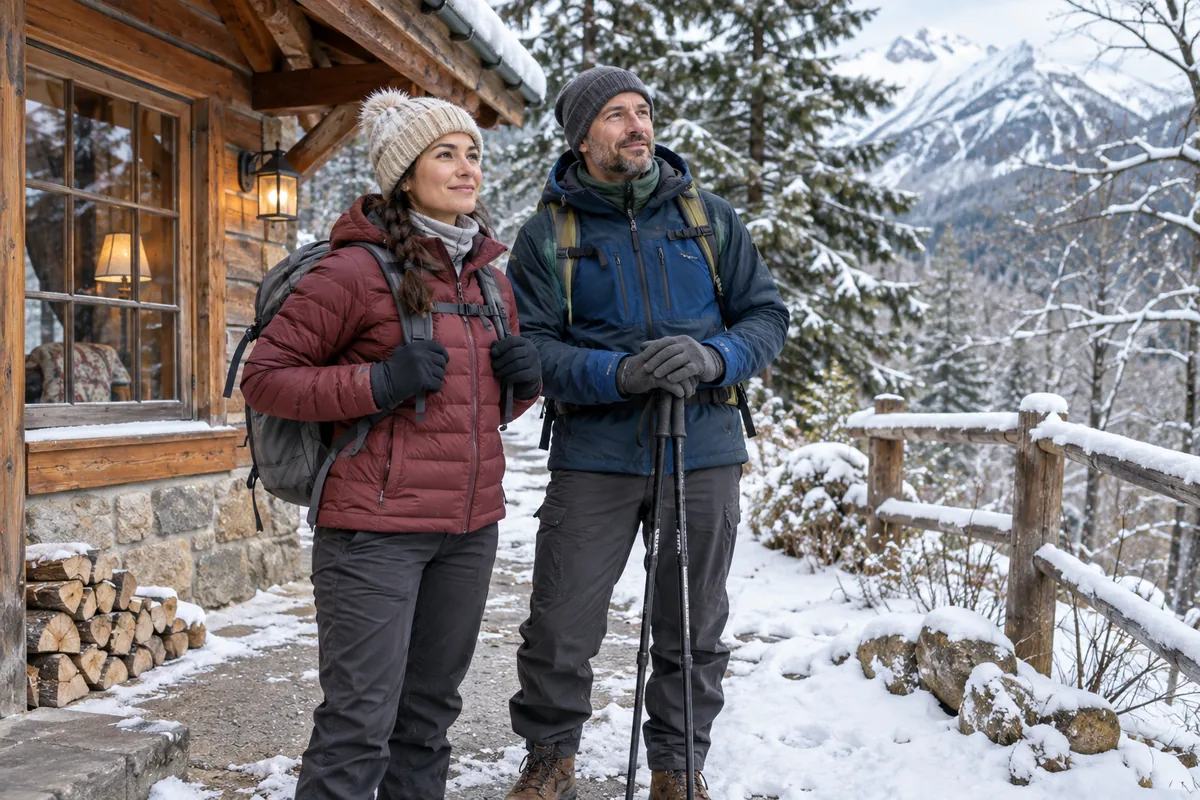
Living through winters in Ajax provides useful experience, but it does not make every cold-weather trip familiar. Standing outside for a northern lights excursion, waiting beside a remote road, and walking through a city with frequent indoor stops are very different situations. The temperature on a weather app is only part of the information needed to prepare.
Cold weather travel health in Ajax is about matching the plan to the exposure: wind, wet conditions, time outdoors, activity level, shelter, and the ability to leave early. Clothing matters, but so do the decisions that determine how long you remain outside and what help is available if someone becomes unwell. A successful winter trip includes enjoyable alternatives when conditions change.
Describe the coldest part of the actual day
Read the itinerary for periods when you will be relatively still. A photography stop, wildlife viewing platform, ski lift queue, or outdoor evening event may feel colder than a brisk walk in the same conditions. Ask how long those periods last and whether heated shelter is immediately available. “Winter clothing recommended” is not enough detail for planning a remote excursion.
Check the time required to return indoors. An activity advertised as two hours may involve a long transfer or a waiting period before the vehicle arrives. Find out whether participants can leave early and whether the group must remain together. These practical details help you judge whether the activity fits your needs, particularly when travelling with children, older adults, or someone with limited mobility.
The CDC’s guidance on heat and cold illness in travellers describes cold injury as an interaction between the environment, clothing, and the traveller. Use that perspective when comparing excursions. The important question is not whether you own a warm coat, but whether the entire plan keeps you adequately protected for the expected conditions.
Check wind, wetness, and changing conditions
Review current local forecasts and warnings before each outdoor day. A forecast made while booking the trip is not useful for deciding what to do tomorrow. Look at wind and precipitation as well as temperature, and ask local operators how changing conditions affect their activities. Conditions at a mountain summit or exposed shoreline can differ substantially from those near the hotel.
Environment and Climate Change Canada’s cold-weather warning information explains why very low temperatures and wind can create health risks. At destinations outside Canada, use the relevant official local service. Do not interpret the absence of a Canadian-style warning category as evidence that conditions are comfortable or safe for a particular outing.
Wet clothing deserves prompt attention. Rain, slush, sweat, or an accidental fall can change the protection your clothing provides. Carry a realistic way to keep spare items dry, and know where you can change. A spare shirt at the hotel does not help much during a remote day if nobody has planned how you will reach it.
Build a clothing system you can adjust
Choose layers that work together and allow you to manage changing activity levels. Consider a suitable base layer, insulation, and an outer layer that addresses wind or precipitation. Bring protection for the head, ears, hands, feet, and face as appropriate. The exact combination depends on the activity, weather, and your own needs, so ask the operator for specific equipment guidance.
Try the full outfit before departure. Check that you can move your arms, bend, sit, fasten a seat belt, and use essential equipment without removing all your hand protection. Boots should fit with the socks you intend to wear without becoming tight. Test zippers and closures while wearing gloves; small problems are easier to solve at home than beside a cold, windy trail.
Health Canada’s extreme cold advice identifies people who may be more vulnerable and explains the importance of appropriate protection. If you have reduced sensation, circulation problems, diabetes, or another relevant condition, discuss the trip with your clinician. Do not rely only on whether your fingers or toes feel painful, because sensation may not be a dependable warning for everyone.
Adjust clothing before sweating heavily or becoming chilled. A demanding uphill walk and the quiet stop at the top require different management. Make changing layers an ordinary group pause rather than something that one person has to request apologetically. If a guide sets a pace that prevents basic adjustments, speak up early while there is still an easy opportunity to change the plan.
Plan for children and companions who cool differently
Ask each traveller what makes the outing workable. Someone who uses a mobility aid may spend more time still or need particular hand function to move safely. An older relative may prefer shorter periods outdoors with dependable warm stops. Children may be excited enough to ignore wet mittens or discomfort until they are very cold. Individual arrangements should shape the booking rather than being added after payment.
Give children clear opportunities to report discomfort and avoid making staying outdoors a test of toughness. Check clothing, exposed skin, and wet items regularly, and plan warm breaks before everyone is exhausted. Carry practical spares in accessible places. It is easier to change one wet glove promptly than to unpack the entire day’s luggage while a child becomes increasingly uncomfortable.
For a mixed group, agree that someone can return indoors without ending the day for everyone, provided a safe supervised arrangement exists. An adult accompanying a child or vulnerable person must be prepared to stop their own activity. Discuss that responsibility beforehand so that nobody feels pressured to remain outdoors simply because a guide, vehicle, or ticket has already been paid for.
Keep food, water, and medicine usable
Cold conditions do not remove the need to eat, drink, and follow treatment routines. Carry food and safe water in containers you can open with limited dexterity. Ask the guide how long you will be away from facilities and whether supplies can freeze. Plan enough time at stops to use the toilet and manage personal care without rushing back outside.
Medicines and devices may have temperature limits. Read the manufacturer’s instructions and ask a pharmacist about transport and storage in cold conditions. Avoid leaving essential medicine in an unheated vehicle or placing it directly against a heat pack unless that arrangement has been confirmed as appropriate. A product damaged by freezing may not become reliable again simply because it has thawed.
If you use a glucose monitor, insulin pump, inhaler, or other equipment, discuss cold-weather use with the relevant professional or manufacturer. Carry necessary backups and keep instructions available offline. Our prescription medication travel guide can help with the broader supply plan. The useful question is how the treatment will work during the actual outdoor period, including delays.
Learn the signs that should end the outing
Hypothermia occurs when the body loses heat faster than it can maintain a safe core temperature. Concerning signs can include shivering, unusual fatigue, clumsiness, confusion, slurred speech, or reduced responsiveness. Do not wait for a person to explain clearly that they are in trouble. A change in behaviour or coordination during cold exposure deserves immediate attention.
Environment and Climate Change Canada’s cold-injury information describes warning signs and first actions. Suspected hypothermia requires urgent medical help. Move to shelter when safely possible, handle the person gently, replace wet clothing with dry insulation where feasible, and follow emergency instructions. Avoid alcohol, hot baths, and improvised direct heating that could create further harm.
Frostbite can involve numbness and firm or frozen tissue; skin appearance may differ with skin tone. Seek urgent care for suspected frostbite and protect the affected area from further injury. Do not rub it, apply snow, or heat it over a fire. Rewarming followed by refreezing can worsen damage, so obtain appropriate emergency guidance rather than attempting a risky sequence of warming and renewed exposure.
Learn the plan as a group. Who calls for help? Who knows the location? Where is the shelter? A person with cold-related confusion may not be able to organize their own rescue. Companions should be willing to stop the activity and act on what they observe, even if the affected person insists that everything is fine.
Choose routes and operators with an exit plan
Ask winter activity providers about guide qualifications, group size, communications, emergency equipment, and cancellation decisions. Find out what happens if a vehicle fails or someone cannot continue. A mobile phone signal shown at the hotel does not establish reliable coverage throughout a trail or snowmobile route. The operator should be able to explain how it communicates from the actual activity area.
For independent outings, use appropriate local route information and tell someone where you are going and when you expect to return. Stay within your training and equipment. Mountain terrain can involve avalanche and navigation hazards that ordinary winter walking experience does not prepare you to manage. Parks Canada’s avalanche information explains why training, terrain knowledge, and suitable equipment matter. Obtain local professional guidance rather than treating a downloaded map as sufficient preparation.
Choose a shorter or more sheltered route when conditions or energy levels change. The return journey deserves as much attention as the outward distance. A scenic destination reached at the limit of someone’s energy still leaves the task of getting back. Plan a turnaround point that allows for slower progress, changing weather, and the needs of the least comfortable person in the group.
Check heating and shelter arrangements
Ask how accommodation is heated and what happens during a power failure. For remote cabins or unfamiliar rentals, confirm that appropriate smoke and carbon monoxide alarms are present and functioning. Know the exit route, emergency contact, and location of basic supplies. A warm-looking photograph does not establish that a building can remain safe during a prolonged outage.
Health Canada’s carbon monoxide overview explains the danger of this colourless, odourless gas. Use heating and cooking equipment only as intended. Never bring an outdoor fuel-burning stove, barbecue, or generator into an enclosed living or sleeping space to solve a heating problem. Seek a safe alternative shelter when the intended system cannot be used safely.
If several people develop headache, dizziness, nausea, or unusual weakness in a building, consider the possibility of an environmental problem and get to fresh air safely while contacting emergency services. Do not remain inside trying to identify a smell. Carbon monoxide exposure can be mistaken for ordinary illness, especially when everyone expects to feel tired after a day outdoors.
Leave room for the winter trip to change
Review cancellation terms and insurance for the activities you have actually booked, including remote travel or winter sports. Keep enough flexibility to spend a day indoors if conditions are unsuitable. A museum, local meal, or quiet recovery day can be part of a well-designed winter holiday rather than a reluctant substitute made only after the weather deteriorates.
Before departure from Ajax, lay out the itinerary alongside clothing, medicine, communication, and shelter plans. Resolve gaps that depend on the operator or accommodation while you can still contact them comfortably. For individual medical concerns, bring the planned activities to the appropriate clinician. Cold-weather preparation works when the equipment and the daily decisions support each other, allowing you to enjoy the setting without depending on endurance to compensate for missing arrangements.