
April 16, 2025 · 9 min read
Backpacking Travel Health in Ajax: Prepare for a Flexible Journey
Plan a backpacking trip from Ajax with guidance on changing routes, vaccines, safe water, hostel habits, medication, transport and finding medical care.
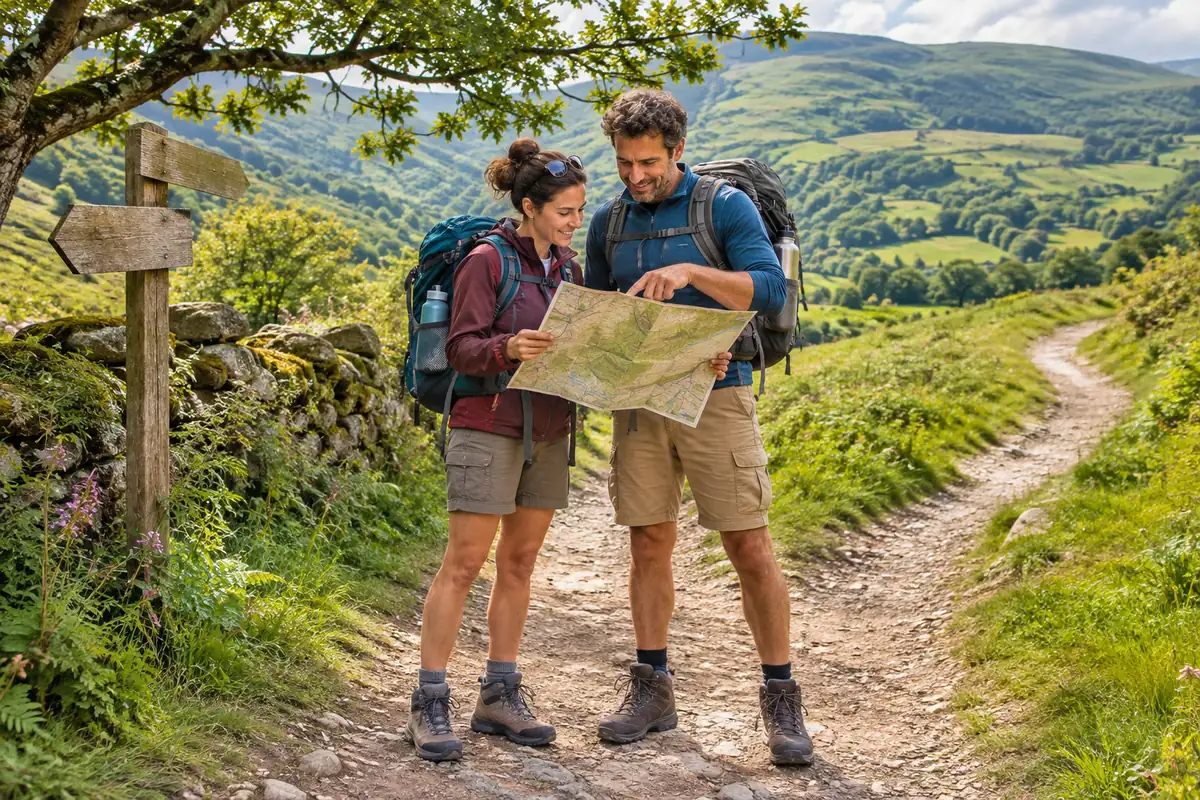
Backpacking gives you room to change your mind. You might stay longer in a favourite town, join a walking trip, or take an overnight bus to a country that was only a possibility when you left home. That flexibility is part of the appeal, but it can make health preparation feel difficult. You cannot plan every day of a journey whose route is still evolving.
You can, however, prepare for the range of travel you are considering. Backpacking travel health in Ajax starts with describing that range honestly: likely countries, possible side trips, length of stay, accommodation style, and activities you might add. A clinician can help you identify which changes would require new advice and which precautions should travel with you from the start.
Draw the likely route and its outer limits
Make two lists before your appointment. The first contains confirmed stops and dates. The second contains realistic possibilities, such as a rural volunteer placement, a mountain trek, or an island visit. An uncertain activity still matters if you are likely to book it after meeting other travellers. Mention it instead of assuming it can wait until the day before.
Think about seasons and regions rather than colouring entire countries on a map. A route through cities with occasional day trips differs from months in remote areas. Tell the clinician where you expect to sleep and how you expect to travel. Public buses, motorbikes, guided transport, and walking each create different practical questions.
Keep a record of the advice tied to the original route. If plans change substantially, you will know what needs reviewing. A useful consultation does not require a fixed hour-by-hour itinerary; it requires enough information to identify the important boundaries of the plan.
Review vaccines before spontaneity becomes a deadline
Bring records of routine and previous travel vaccinations. Some protection may require a series or time before departure, and documentation can matter when crossing borders. Starting early gives you more options. If you are leaving soon, still seek advice; an imperfect timeline is a reason to prioritize, not to skip preparation.
Do not use another backpacker’s vaccine list as your own. Recommendations depend on health history, age, destination, duration, and exposure. Two people sharing a dormitory may have very different medical needs. Ask which recommendations are most relevant to your route and what additional activity would change the advice.
The Government of Canada’s travel health checklist provides a starting framework. A personal travel consultation can turn that framework into a plan for your actual journey, including any vaccination questions you want to resolve before departure.
Plan for medicine over months, not just flights
Long trips need a realistic supply plan for regular medication. Discuss how much you can carry, storage conditions, prescription documentation, and what to do if supplies are lost. Check destination and transit rules through official sources. A medicine that is routine in Canada may be restricted elsewhere.
Keep essential medication in your personal carry-on and avoid transferring it into unlabelled bags merely to reduce weight. A compact packing system still needs to preserve identification and instructions. Store a generic-name medication list separately from the supply so you retain useful information if one bag disappears.
If preventive medication is recommended for part of the route, ask how route changes affect its timing. Do not start and stop based only on the impressions of people you meet. Write down whom you can contact for advice and where you could obtain reliable medical care if the journey expands beyond the original plan.
Build a water routine you can maintain
Safe drinking water is an everyday logistical task. Before reaching a new stop, identify how you will obtain it during the first evening and the next day’s travel. A late arrival can make improvisation tempting, especially when shops are closed and everyone is tired. Keep enough suitable water accessible for predictable delays.
If your itinerary requires treatment equipment, learn how it works before leaving Ajax. Different methods have different limits, and a filter is not automatically effective against every organism. Follow the device instructions and obtain advice appropriate to the setting. Canada’s food and water safety guidance explains the need to choose safe drinks and treatment methods carefully.
Pay attention to water used for brushing teeth, making ice, and preparing food when local safety is uncertain. A routine is more dependable than trying to judge every glass by appearance. Share the plan with companions so the person refilling bottles understands what everyone has agreed to use.
Eat adventurously with practical judgement
Food is often one of the best parts of backpacking. Sensible precautions need not mean avoiding every unfamiliar meal. Look at how food is prepared and stored, whether it is thoroughly cooked and served hot, and whether raw ingredients can be safely peeled or avoided when appropriate. The atmosphere of a market is not itself a food-safety assessment.
Schedule meals before you become so hungry that convenience is the only factor left. Carry a suitable snack for bus delays and long walks. Travellers with allergies should prepare a clear explanation in the relevant language and discuss how to manage uncertainty. A translation card is useful only if the food provider understands and can meet the request.
Ask about a personal plan for diarrhea before travel. Learn which symptoms require medical assessment and how to maintain fluids safely. A tightly booked sequence of buses can make you reluctant to stop, so keep some room in the itinerary for illness. Continuing farther from help is not always the cheapest decision once health deteriorates.
Make hostel life support rest and hygiene
Shared accommodation works better when you arrive with a simple routine. Keep personal toiletries organized, wash hands before eating, and avoid sharing items that contact the mouth or broken skin. Choose sleeping arrangements that let you get adequate rest, particularly after overnight travel or during illness.
Inspect the bed area and keep luggage organized rather than spreading everything across the room immediately. If you notice a pest problem, notify accommodation staff and address it before moving on. Do not apply household insecticides to your body or belongings without appropriate instructions. Packing clean and used clothing separately can make later inspection and laundry easier.
Consider secure storage for medication and documents. A dormitory locker may help, but essential items still need to be available when you leave for the day. Decide what remains with you and what can stay behind. A shared room should not require sharing access to your health information or prescriptions.
Avoid turning a cheap transfer into the weakest part of the plan
Compare transport choices using more than cost. Ask about seatbelts, driver schedules, road conditions, and arrival times. Arriving alone at an unfamiliar station in the middle of the night can create avoidable complications. Paying for a more workable connection may save both stress and risk.
Motorbike and scooter rentals deserve deliberate consideration, including your training, helmet quality, local rules, and insurance coverage. Do not assume an easy rental process means the activity is suitable for you. Fatigue, unfamiliar traffic, alcohol, and poor visibility can compound each other quickly.
Keep a trusted contact informed when you move to a new destination. You do not need to report every café stop, but someone should know the broad route and when to expect contact. Store key addresses offline so losing data service does not leave you dependent on a stranger’s phone or an unreliable connection.
Keep outdoor activities within the preparation you have done
A new group of friends may propose a trek, dive, or remote excursion that sounds irresistible. Pause long enough to check the operator, equipment, physical demands, and access to help. Ask whether the activity is covered by your insurance and whether it introduces altitude, freshwater, or animal exposure requiring health advice.
The Government of Canada’s adventure travel guidance recommends evaluating the activity and available support. The important question is not whether an activity is popular with backpackers; it is whether your preparation and the operator’s arrangements fit the actual risks.
Do not let group enthusiasm decide medical questions. You can decline one activity and continue travelling with the same people afterward. Leave space in the budget and itinerary to choose a safer alternative without feeling that the entire trip has failed.
Protect against insects and animal exposures
Carry an appropriate repellent and clothing for the regions you expect to visit. Check screens or netting where you sleep and keep supplies accessible during long transfers. If you travel into a different region, reassess the plan rather than assuming the precautions from the previous city still answer every question.
Avoid petting or feeding unfamiliar animals, including friendly dogs, cats, and monkeys near tourist sites. If a bite or scratch occurs, wash it thoroughly and seek urgent medical assessment for possible rabies exposure. Previous rabies vaccination does not eliminate the need for care. CDC advice on animal safety while travelling
Tell your clinician if remote travel or limited access to treatment is likely. That detail can influence the pre-travel discussion. Children and young adults travelling independently should understand that embarrassment about an encounter is never a good reason to hide it or postpone asking for help.
Budget for the day you need to stop
A small emergency reserve can help you pay for a private room while ill, a safer transfer, or a change of plans. Keep access to funds separate from one wallet or device. Understand how your insurance assistance service works and whether you need authorization for non-emergency arrangements.
Fever during or after time in a malaria-risk area needs immediate medical assessment, even if you took preventive medication. Serious dehydration, breathing difficulty, severe pain, or rapidly worsening illness also needs urgent care. Tell the clinician where you have been and what activities you have done. A simple travel diary with dates can be medically useful as well as a record of the experience. CDC advice on recognizing malaria after travel
Leave Ajax with permission to adapt responsibly
The strongest backpacking plan leaves room for spontaneity while identifying the decisions that deserve a pause. Keep a short note of your medication instructions, urgent symptoms, emergency contacts, and route changes that would require new advice. Review it when you cross a border or add an unfamiliar activity.
If you need help preparing, book a consultation with your likely route and possible extensions. You do not need every hostel reserved to have a useful discussion. You need a clear picture of how you hope to travel, a willingness to update the plan, and enough practical support to make good decisions when the journey changes.